The Trump administration has officially announced the implementation of new tariffs ranging from 10% to 12.5% on 60 countries worldwide. These duties, which take effect at 12:01 a.m. on July 24, are specifically targeted at nations accused of permitting forced labor. The new measures are designed to replace the emergency tariffs that were invalidated by the Supreme Court in February. The list of affected countries is extensive and includes some of the United States' most significant trading partners, such as Canada, Mexico, China, and the European Union. Many of these nations have already formally challenged their designation.
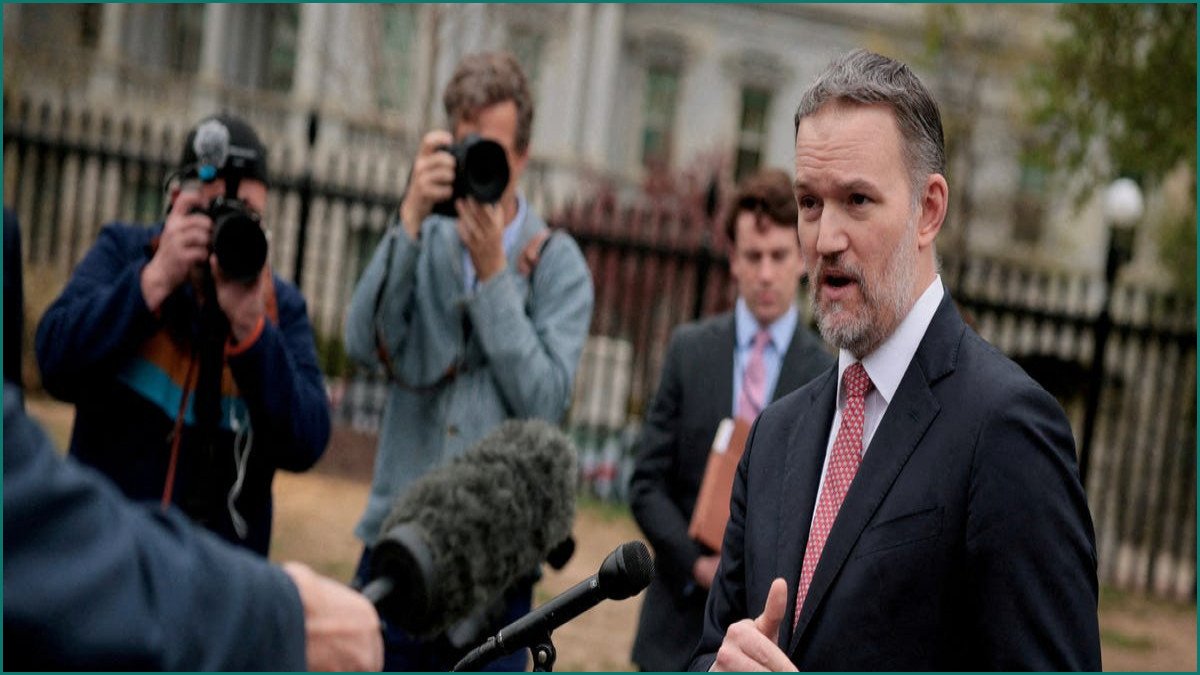
The decision follows a series of legal and procedural steps taken by U.S. Trade Representative Jamieson Greer. After conducting an investigation and a series of hearings, Greer concluded that the targeted countries had failed to impose or effectively enforce prohibitions on the importation of goods produced with forced labor. "Today’s action will begin to correct what is both a human rights abuse and distortive trade practice to improve the welfare of workers everywhere," Greer stated regarding the policy shift.
The administration is currently in the process of refunding $166 billion to companies that paid the earlier emergency tariffs, which were later ruled illegal. According to Customs and Border Protection, approximately $85 billion in refunds had been processed through May, focusing on the least complicated claims. However, litigation remains active in the Court of International Trade for companies still seeking reimbursement. The new forced-labor duties are intended to serve as a more permanent and durable replacement for the temporary 10% global tariffs that were imposed for 150 days following the Supreme Court's decision. Dave Townsend, a partner at Dorsey & Whitney who represents foreign clients in trade litigation, noted that the administration likely views these new measures as a long-lasting policy.
Financial projections from the Committee for a Responsible Federal Budget suggest that these forced-labor tariffs could generate nearly $1 trillion over the next decade, which is roughly half the revenue the previous emergency tariffs were expected to produce. Scott Lincicome, vice president of general economics at the Cato Institute, suggested that other existing tariffs on steel, aluminum, cars, and pharmaceuticals might help bridge the revenue gap. Lincicome also noted that as long as the administration adheres to the necessary procedural requirements, courts are unlikely to overturn the new tariffs. Meanwhile, Greer continues to investigate whether 16 countries have produced excess goods that could burden U.S. commerce.
The administration's broader trade agenda remains active. On July 20, President Trump acknowledged that domestic aluminum production has not kept pace with national needs following the imposition of a 50% tariff on aluminum during his first term. He offered to cut that tariff in half for importers who commit to beginning construction on new smelters by 2029. On the same day, Trump threatened a new 50% tariff on Canada's auto, alcohol, and dairy industries to begin August 19, while exempting oil, natural gas, and critical minerals. Additionally, Trump threatened in a July 21 social media post to impose 100% tariffs on generic drugs starting August 1, 2028, and 200% a year later, aiming to pressure manufacturers to produce drugs domestically.
The forced-labor tariffs were enacted under the 1974 Trade Act. Because the administration conducted investigations and hearings, importers and foreign governments were given the opportunity to contest the accusations. Some countries, such as India, were assessed at the 10% rate rather than 12.5% after demonstrating they had taken steps to combat forced labor. The countries hit with 12.5% tariffs include Algeria, Angola, Australia, the Bahamas, Bahrain, Brazil, Chile, China, Colombia, Costa Rica, Dominican Republic, Egypt, Guyana, Hong Kong, Iraq, Israel, Japan, Kazakhstan, Kuwait, Libya, Morocco, New Zealand, Nicaragua, Nigeria, Norway, Oman, Peru, the Philippines, Qatar, Russia, Saudi Arabia, Singapore, South Africa, South Korea, Switzerland, Thailand, Turkey, United Arab Emirates, Uruguay, Venezuela, and Vietnam. The countries hit with 10% tariffs include Argentina, Bangladesh, Cambodia, Canada, Ecuador, El Salvador, the European Union, Guatemala, Honduras, India, Indonesia, Jordan, Malaysia, Mexico, Pakistan, Sri Lanka, the United Kingdom, Taiwan, and Trinidad and Tobago.
Vietnam's foreign ministry responded on June 2, following the release of Greer’s recommendations, by stating that the country strictly prohibits any form of forced labor and complies with International Labor Organization regulations. "Vietnam has been and will continue to exchange and work with the United States in a constructive and cooperative manner to resolve existing disagreements, while always trying to protect legitimate interests of workers and businesses," said Pham Thu Hang, a foreign ministry spokesperson.