The Federal Reserve unanimously voted to raise interest rates yesterday, marking the first increase in more than three years. The central bank hiked its benchmark rate by a quarter percentage point, establishing a new target range of 3.75% to 4%. This move makes it more expensive to carry credit card balances, grow a business, or borrow money. Despite repeated pressure from President Trump to lower rates, the Fed stated the hike demonstrates its commitment to restoring price stability.
Inflation continues to rise, fueled by the ongoing war in Iran, which has pushed up the costs of diesel fuel and gasoline. While the Fed noted that higher interest rates will not immediately lower these prices, the global impact of rising fuel costs has already sparked protests in Indonesia, the Philippines, and Syria. These price surges occur as Saudi Arabia, the world's largest oil exporter, deals with a renewed war in Yemen against Iranian-backed Houthis.
In separate legislative news, the Clarity Act failed to pass a Senate vote this week. The bill, which was championed by President Trump and various crypto industry executives, would have established the first regulatory framework for the U.S. crypto sector in history. Although a version of the bill passed the House last year, its future is now uncertain, and industry backers must determine their next steps for future attempts at regulation.
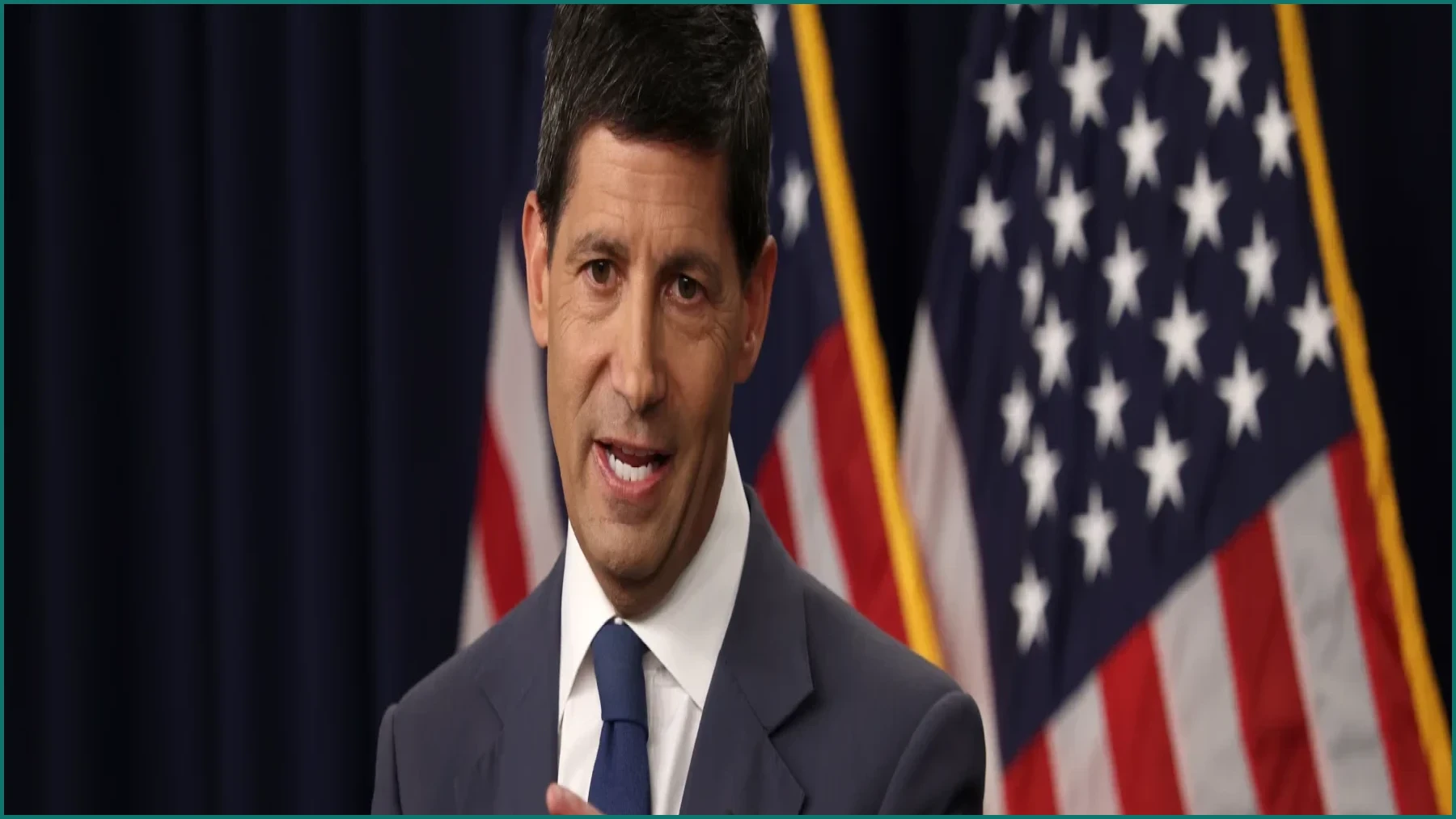
Federal Reserve Chair Kevin Warsh speaks during a news conference at Federal Reserve Headquarters on July 29, 2026 in Washington, D.C. Win McNamee/Getty Images hide caption
The CLARITY Act would set a regulatory framework for the crypto sector for the first time in the U.S. But whether it can clear a key procedural hurdle in the Senate remains uncertain. Karen Bleier/AFP via Getty Images hide caption