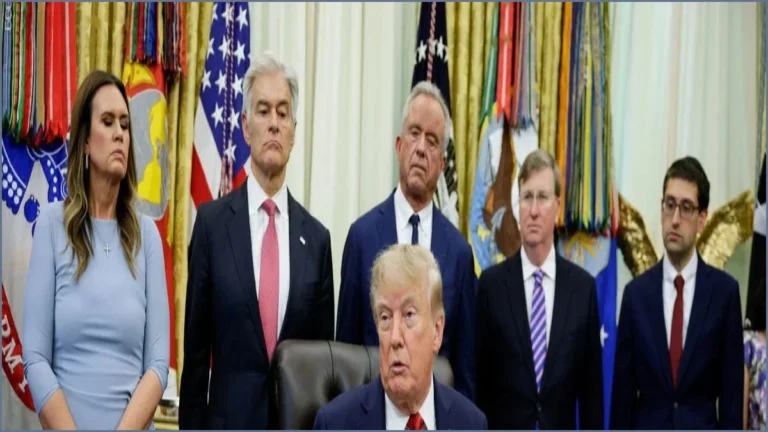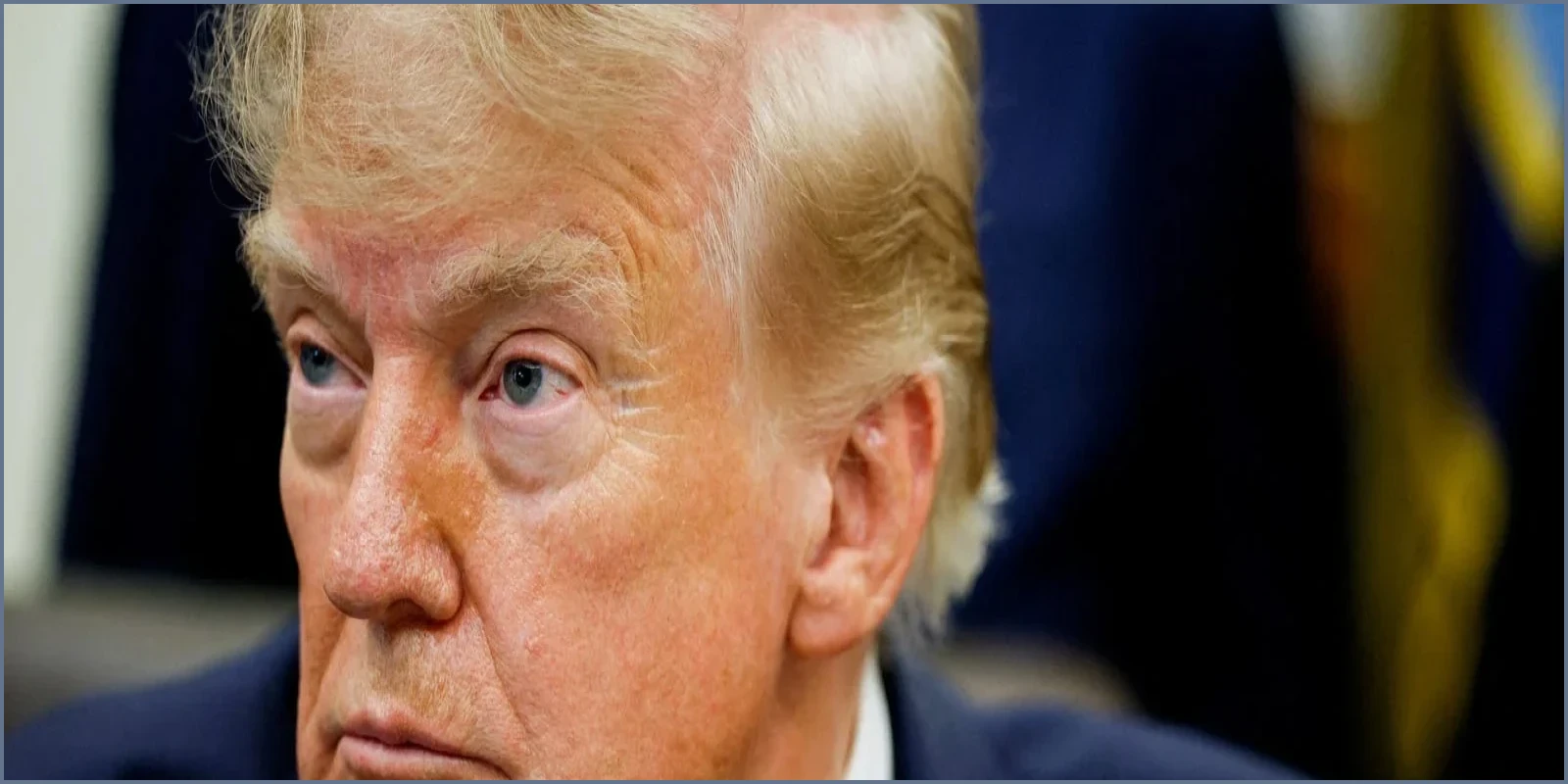
President Donald Trump stated in a Sept. 20 interview with Fox News that he is currently "deciding" on the possibility of further escalating the ongoing U.S. war with Iran. Addressing the situation, Trump remarked, "My question is, if and when do I blow the entire nation up?
They better behave," while adding that "very big things" could occur in the conflict without providing specific details.
During the interview with Trey Yingst, the President also noted he is "open" to meeting with Iranian President Masoud Pezeshkian at the United Nations General Assembly in New York this week.
While Trump has frequently discussed the potential for major military escalations since the conflict began following U.S. and Israeli strikes on Feb. 28, he has yet to act on those specific threats. This latest rhetoric mirrors a statement made in April, when the President warned that "a whole civilization will die tonight, never to be brought back again."
In response to the escalating tensions, Iran’s military central command declared that any new attack would result in sustained retaliation against U.S. bases and interests, noting that regional allies of Washington would be treated as parties to the conflict. The Iranian military further claimed to possess intelligence that an attack was being prepared.
Meanwhile, Iranian Parliament Speaker Mohammad Baqer Qalibaf emphasized that Iran must continue both fighting and negotiating to counter its enemies and secure diplomatic gains.
The exchange of threats coincides with significant disruptions for U.S. allies in the Gulf. On Sept. 19, the Iran-backed Houthi group in Yemen conducted missile and drone strikes against Riyadh, Saudi Arabia, following recent military gains in the Yemeni civil war.
Houthi forces now control positions along the Bab el-Mandeb Strait, granting them the capability to blockade shipping between the Red Sea and Asia.
Combined with Iran’s existing blockade of the Strait of Hormuz, these actions have nearly severed oil-rich Gulf energy exports from global markets. The resulting economic strain has pushed diesel prices to record highs.
Despite the economic fallout, there is little progress on reviving the interim ceasefire that collapsed in July. As of Sept. 3, the U.S. military reported costs of at least $43.6 billion, though U.S.
Central Command acknowledged this is likely an undercount. The figure excludes repair costs for damaged U.S. bases in the region, including the Navy’s logistics hub in Bahrain.
Furthermore, the Pentagon estimates it has spent $28.1 billion replacing munitions, leading to shortages that could affect U.S. readiness elsewhere. Since the conflict began, at least 18 Americans have died and more than 800 have been wounded.