Middle East nations are preparing for a potential surge in conflict following Iranian claims that the United States is planning to restart a bombing campaign against the Islamic Republic. This warning coincides with sudden diplomatic and military movements, including President Donald Trump abruptly cutting short a weekend stay at the Camp David presidential retreat on Sunday and the U.S. State Department issuing a fresh security alert for American citizens across the region.
The escalating rhetoric follows comments by Trump to Fox News, where he revealed he is considering "wiping Iran out" in the wake of recent military strikes. In response, Iran's Islamic Revolutionary Guard Corps issued a stark warning, declaring that any U.S. offensive would trigger "continuous, effective and painful attacks without any limitations or considerations" against all American bases and interests in the region. Iranian leaders added that retaliatory strikes could reach U.S. naval forces in the Indian Ocean, while accusing several Gulf nations of "double-dealing" by secretly endorsing potential American military action.
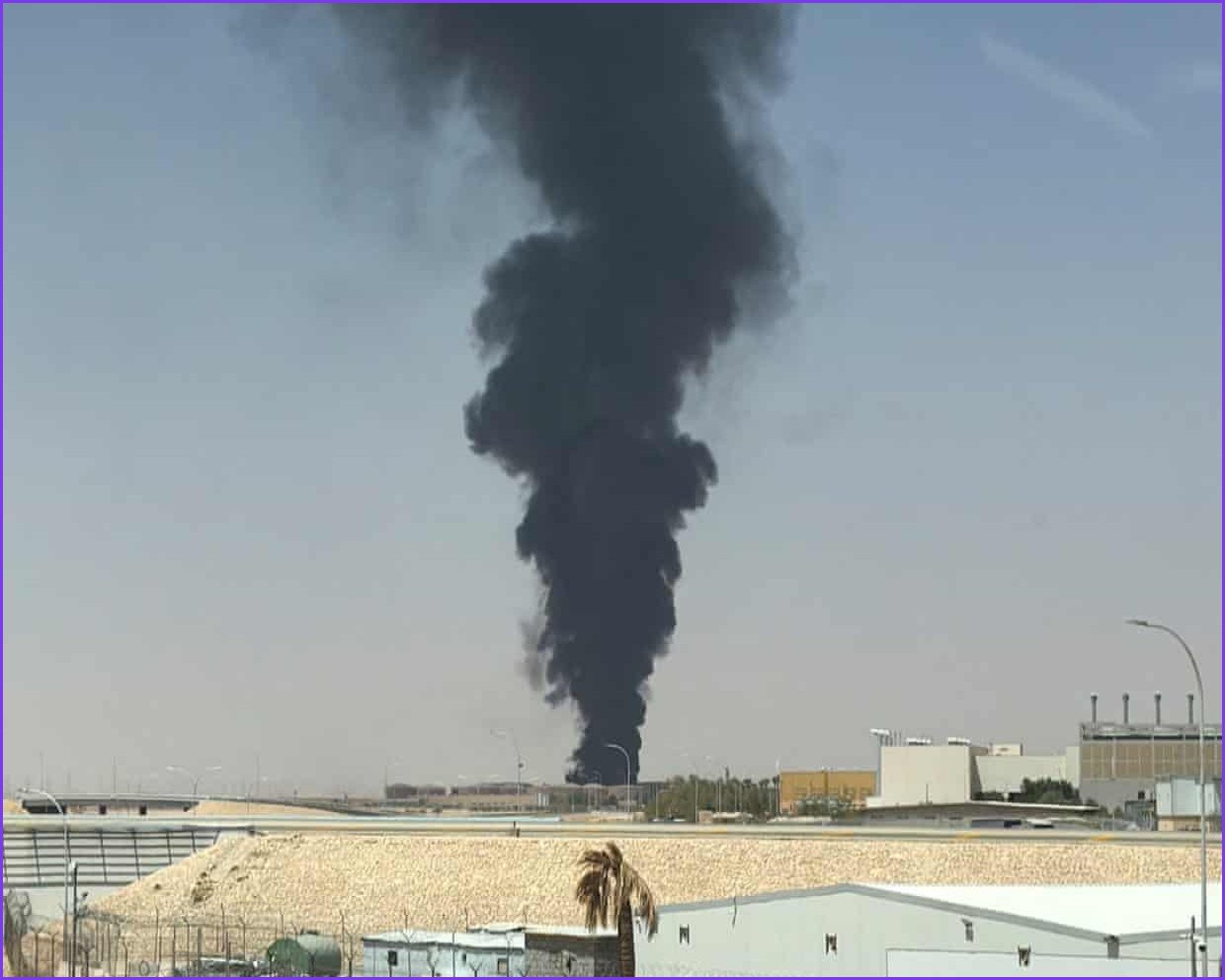
This round of sabre-rattling was ignited by a series of weekend attacks on Riyadh, the Saudi capital, launched by Yemen's Iran-backed Houthi rebels. Saturday's barrage represented the first sustained strike on Riyadh's Aramco oil facilities since a Saudi-Houthi ceasefire collapsed in June. Although Saudi authorities claimed to have intercepted the incoming missiles, local photographs depicted smoke rising from the Aramco site. The vital Saudi oil export port of Yanbu was also targeted. While Washington maintains that the Houthis act as a proxy force requiring Tehran's approval—a claim Iran denies—Houthi political bureau member Hizam al-Assad defended the strikes as retaliation for hundreds of Saudi airstrikes against Yemen.
The conflict has severely disrupted critical maritime trade routes. The Strait of Hormuz is currently closed to Western shipping, straining European energy supplies and forcing countries like France to implement emergency fuel-saving measures. Additionally, the Houthis recently captured strategic ports along Yemen's western coast, giving them control over the Bab al-Mandeb strait. Despite these gains, the Houthi government reported that 318 vessels successfully transited the strait between September 10 and September 18. Meanwhile, forces loyal to Yemen's UN-recognized government claimed to be resisting the Houthi advance, reporting that 75 Houthi combatants were killed on Saturday alone.
Despite the threat to global shipping, the U.S. has shown reluctance to expand its military involvement due to Pentagon budget constraints and depleted munitions stockpiles. Trump previously rejected a direct military assistance request from Saudi Crown Prince Mohammed bin Salman. Downplaying the immediate threat to American forces, Trump told Fox News, "The US is in constant contact with the Houthis and they have agreed not to go to war with the US."
The crisis is expected to dominate the upcoming United Nations General Assembly in New York. Trump is scheduled to meet with the six member nations of the Gulf Cooperation Council to discuss Yemen, Gaza, Iran, and U.S. security commitments. While Trump expressed openness to meeting Iranian President Masoud Pezeshkian, Tehran's long-standing refusal to engage in direct negotiations makes an encounter unlikely. Adding to the diplomatic friction, France announced it will summon Iran's ambassador after Iranian authorities shuttered a French-language cultural center in Tehran. The Iranian judiciary accused the center of violating diplomatic conventions, a move the French foreign ministry condemned as "unjustifiable and unacceptable."
On the diplomatic front, Iranian chief negotiator Mohammad Ghalibaf told parliament that Tehran does not seek a "forever war" with the U.S. However, Mohsen Rezaei, the hardline secretary of Iran's Supreme National Security Council, emphasized to Al Jazeera that peace remains contingent on seven preconditions, including lifting the blockade on Iranian oil ports, restoring frozen assets, and removing oil export sanctions. Rezaei also voiced anger at Gulf neighbors, alleging they snubbed an Omani-brokered shipping route meeting in Salalah to instead hold a secret meeting in Germany with Israel and U.S. Central Command.
The Houthi government said 318 ships passed through the strait from 10-18 September.