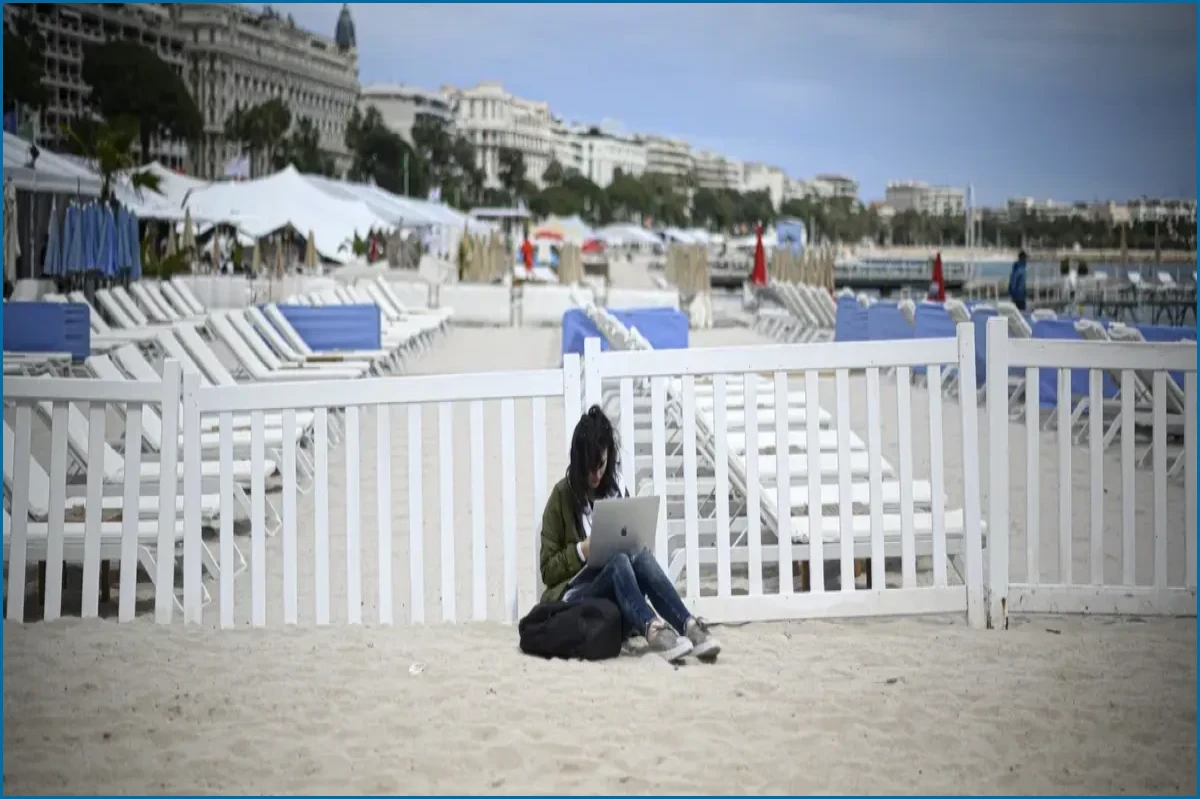
As the summer holiday season approaches, many employees consider blending a vacation in France with a few days of remote work. However, before logging on to answer emails from a French cafe, workers must navigate whether their employers can legally prohibit them from doing so. While the concept of long-term remote working or settling in France as a digital nomad involves complex visa and tax procedures, the rules surrounding short-term remote work during a holiday are quite different, though they carry hidden legal and insurance risks for employers.
For individuals planning a brief visit, family trip, or stay at a second home, the typical entry requirements involve either the 90-day visa-free allowance or a short-stay Schengen visa. Citizens of countries such as the United Kingdom, the United States, Canada, Australia, New Zealand, and Japan can travel visa-free within the European Union for up to 90 days in any 180-day period. Meanwhile, European Union citizens benefit from complete freedom of movement across the bloc. On the other hand, travelers from countries without visa-free privileges, such as India, must obtain a short-stay Schengen visa for their holidays. Technically, neither the 90-day rule nor the Schengen visa permits employment within the EU, with exceptions limited to specific professional activities like attending business meetings or conferences.
Despite these formal restrictions, it's generally agreed that logging on to do a couple of days' work for a company outside of France, and where the work had no connection to France, would not cause problems with the immigration status. Fiona Mougenot, an immigration specialist at Expat Partners, explained the situation. "Depending on the circumstances, this would probably be OK, provided that your work has no connection to France or a French company," Mougenot noted. "You remain a visitor in France, with all the limitations that implies, such as a lack of access to the state healthcare system, while working for a company in another country." A connection to France is established if an employee is working for French clients, French companies, or an employer with a physical presence in France. Furthermore, short-term holidaymakers are highly unlikely to become French tax residents unless they are performing work directly for French businesses or clients under local tax residency rules like the 183-day rule.
Nevertheless, many employees have reported that their companies have flatly denied requests to work remotely from France, with some employers claiming that doing so would violate French law. While French legislation does not explicitly forbid tourists or temporary visitors from performing minor remote tasks, employers face other significant concerns. Mougenot warned of the hidden insurance implications of unauthorized remote work. "There are other potential issues connected to this, such as whether you would be covered by insurance in case of an accident – your workplace insurance will not cover you if your employer was not aware that you were working from France," she stated.
Once an employee performs work on French soil, even temporarily and remotely, certain aspects of French labor law can apply, including strict rules on employer liability. In France, employer liability is exceptionally stringent compared to many other jurisdictions. Employers can be held legally responsible for injuries or accidents that occur to their staff under a broad range of circumstances, even during remote work hours. This legal strictness was highlighted in a notable 2019 court ruling, which found an employer liable after an employee passed away while having sex with a stranger during a business trip. It's likely to be this strict liability that is causing employers to take fright and ban their employees from remote work in France.
Ultimately, employers possess the legal right to reject any requests to work remotely from another country, unless an employment contract explicitly guarantees this benefit. Some employees might feel tempted to work from France secretly without informing their managers. However, doing so carries severe risks. In the event of an accident, the lack of employer awareness means workplace insurance coverage will likely be void. Additionally, unexpected developments such as France's frequent transport strikes could expose the deception. If a strike prevents an employee from returning to their physical office, explaining the delay to an employer who believes the worker is nearby can be incredibly difficult.
While employers can restrict remote work, they cannot control an employee's personal travel. It's not unknown for employers – especially large international organisations – to issue warnings to their staff about travel to France. For instance, during the civil unrest and riots in the summer of 2023, several international organizations based in Switzerland distributed notices advising their employees against traveling to France. However, these notices remain strictly advisory. An employer has no legal authority to ban staff members from traveling to France during their annual leave or free time.