A new research study from Stockholm University has highlighted a significant disparity in the Swedish job market, revealing that men with foreign names face more intense discrimination during the hiring process than women. Sociologist Magnus Bygren, who co-authored the study alongside colleague Moa Bursell, explained that men are frequently perceived as representatives of out-groups in various social contexts. According to Bygren, when these groups are stereotyped as threatening, uncivilized, or morally inferior, the resulting negative perceptions are often more pronounced for men than for women.
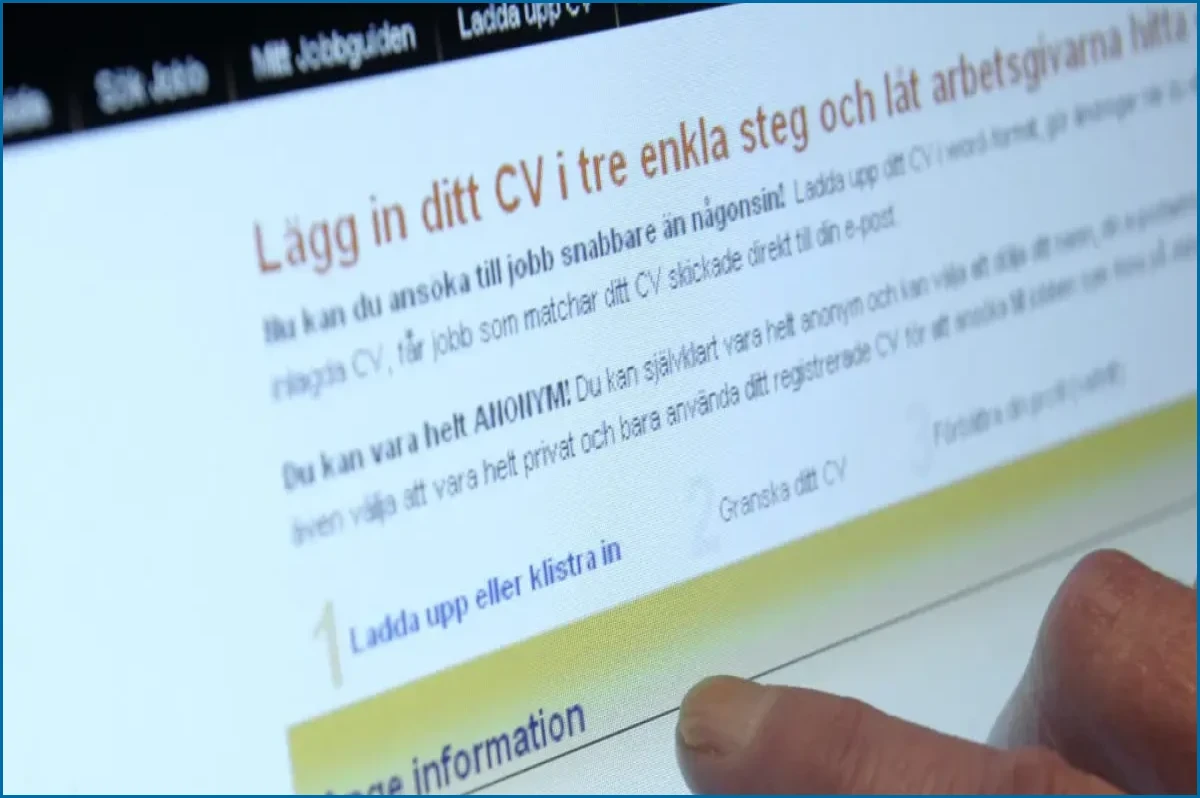
The research team conducted an extensive audit study by submitting over 7,000 fictional job applications for 15 different job categories advertised on Platsbanken, the job board maintained by the Swedish Public Employment Service. The applications were carefully crafted to include a mix of typical Swedish names and those originating from the Middle East or the former Yugoslavia. The findings showed that while surnames played a significant role in securing interviews or further inquiries for positions such as IT technicians, teachers, and preschool teachers, the impact was not universal. In sectors where there is already a high concentration of foreign-born employees, such as driving and cleaning, no discernible difference in response rates was observed between applicants with Swedish names and those with foreign-sounding surnames.
Bygren noted that while some employers may be engaging in conscious policy-based discrimination, these outcomes often stem from a subconscious preference for the familiar. He emphasized that the most critical period for this bias is during the initial contact phase of the application process. Despite the lower probability of receiving a response, Bygren encouraged job seekers not to be discouraged, noting that it is not impossible to secure an interview. He added that once a candidate manages to get a foot in the door or secure a first meeting, the level of discrimination typically decreases. Although the data for this study was gathered between 2013 and 2018, the researchers remain convinced that these patterns persist today and urge both employers and applicants to remain conscious of these biases to mitigate their influence.
"You should remember that even if you have a so-called 'wrong' name, you can still get a bite if you just keep applying. It's not impossible. The probability is lower, but it isn't zero," he told the TT newswire.
"It's important to be aware that these patterns exist, both for people with an immigrant background and on the employer side. People can consciously try not to act on these patterns," he told TT.