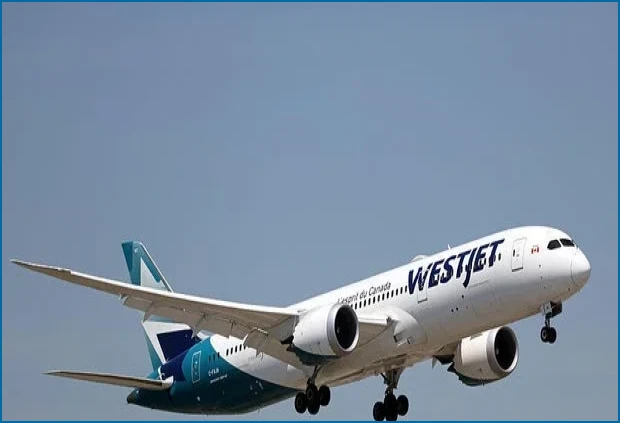
Travel plans for thousands were thrown into disarray this Sunday as flight attendants at WestJet, Canada's second-largest airline, officially launched a strike. The walkout follows a breakdown in negotiations regarding compensation, specifically concerning how cabin crew members are paid for work performed while on the ground.
The Canadian Union of Public Employees, representing 4,400 cabin crew staff, announced the labor action on its social media channels. WestJet, which operates as a partner to Delta Airlines, confirmed the disruption and reported that more than 300 flights had been canceled as of early Sunday morning. The timing of the strike coincides with a three-day holiday weekend, significantly impacting passengers across the country.
Central to the labor dispute is the disagreement over pay for ground-based duties. The union maintains that some of these tasks are performed without pay. Conversely, the company argues that staff are adequately compensated, pointing to a "credit hour" system rather than a traditional hourly wage structure. Despite the current impasse, both the union and WestJet have expressed a willingness to return to the bargaining table to resolve the issue.
The airline has confirmed that it is unable to operate any flights scheduled on Boeing 737 or 787 aircraft. Passengers affected by the cancellations are being offered refunds or alternative travel arrangements. WestJet stated that it is contacting customers who booked directly with the airline via email, while those who utilized travel agents or third-party booking platforms are being advised to coordinate with those specific providers.
This situation mirrors recent labor tensions in the Canadian aviation sector. Last summer, flight attendants at Air Canada, the nation's largest carrier, engaged in a three-day strike during the peak travel season. That action, which was also partly driven by disputes over ground-duty compensation, resulted in travel disruptions for more than 100,000 passengers before an agreement was reached.