Despite Germany's reputation for robust labor protections and hard-won union rights, a growing number of Indian students and skilled professionals are finding themselves trapped in highly exploitative working conditions. According to migration and labor researcher Aju John, this widespread mistreatment is not an accidental byproduct of rapid immigration, but rather a systemic issue built directly into the structure of the German labor market.
In recent years, Germany has experienced a significant influx of South Asian nationals, particularly from India. This migration trend was initially catalyzed by a bilateral migration agreement signed between Germany and India in 2022. It was subsequently bolstered by the former 'traffic light' coalition government's introduction of policies designed to attract skilled foreign labor, such as the Opportunity Card visa.
However, many of these highly qualified arrivals quickly discover that breaking into the German job market is incredibly difficult, especially when faced with strict language requirements—even for positions advertised as English-speaking—and a severe shortage of affordable housing.
Compounding these challenges is the massive financial burden of relocation, which frequently forces newcomers into a severe debt trap. John, a former lawyer in India who is currently pursuing a PhD in Berlin on migration and labor, notes that moving to Germany on a student visa or an Opportunity Card typically costs around €20,000.
A substantial portion of this sum—at least €12,000—must be deposited into a mandatory 'blocked account' to satisfy visa requirements.
The remaining funds are quickly consumed by travel, housing, and immediate living expenses. For middle-class and working-class Indian families, this represents a staggering sum of money. Consequently, almost all of these immigrants are heavily indebted before they even arrive in Germany, making them highly vulnerable and willing to endure severe indignities just to keep earning.
The vulnerabilities begin even before entering the workforce. Some arrivals fall victim to what John characterizes as 'sham' private universities. These institutions charge high tuition fees while failing to deliver on their educational promises. In one notable instance, Berlin authorities stripped a private school of its accreditation, resulting in hundreds of foreign students being ordered to leave the country.
Desperate to cover their monthly living costs and repay their debts, many students and young professionals turn to gig and contract work, a sector that frequently preys on vulnerable foreign workers.
Delivery and logistics giants, including Wolt, Lieferando, UberEats, and Amazon, rely heavily on this vulnerable workforce. John explains that these companies routinely bypass Germany's strict labor regulations, such as minimum wage laws, by outsourcing their operations to third-party subcontractors. These subcontractors then manage the on-the-ground workers using highly exploitative and legally questionable methods.
Among these is a predatory 'pay-to-work' scheme, where workers are forced to pay up to €500 upfront and surrender between 25 and 50 percent of their monthly earnings simply to obtain access to the digital application required to perform their duties.
Many of these workers are paid strictly in cash, and subcontractors frequently withhold portions of their earned wages under various pretexts. These rampant abuses have been thoroughly documented, notably in the ARD television documentary 'Ausgeliefert.' John describes the situation as a lawless 'wild west' where standard labor protections are entirely absent.
The structure of German residence permits further exacerbates this vulnerability. Most of the highly exploited workers hold either student visas or Opportunity Cards. Under German immigration law, student visa holders are generally restricted to working an average of 20 hours per week. Those who cannot survive on the wages from these limited hours are often forced to seek under-the-table employment.
Similarly, the restrictive conditions of the Opportunity Card can ironically prevent holders from accepting jobs that fall outside the visa's narrow parameters, leaving them with few legal options.
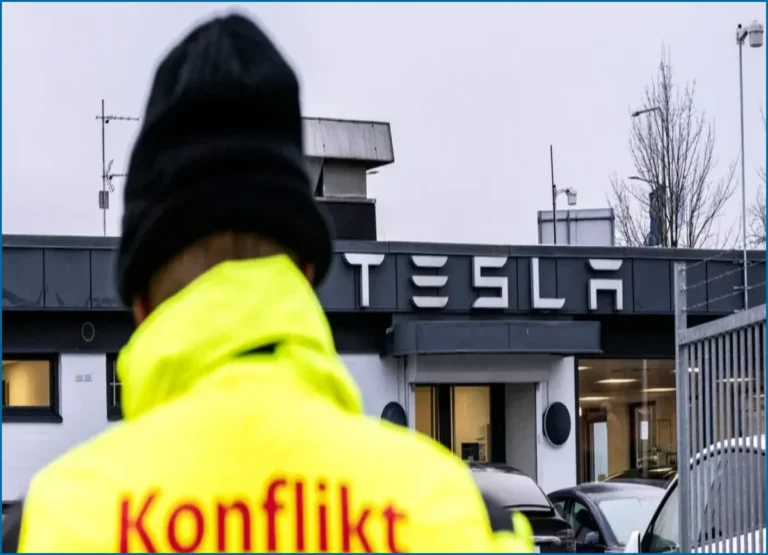
This exploitation is not confined to delivery apps; John points out that similar practices occur across major German industries, including at some of the country's largest firms. He provides the example of a canteen located at a massive automobile factory on the outskirts of Berlin, where the staff—almost all of whom are on student visas or Opportunity Cards—work without formal employment contracts and are paid well below the legal minimum wage.
The stark contrast between Germany's celebrated social welfare state and the reality on the ground suggests a deeper systemic purpose. John argues that the non-enforcement of labor laws in these sectors is a strategic choice. While the state strictly enforces regulations in other areas of public life, it remains conspicuously absent here. By failing to police these abuses, the system effectively keeps average wages low.
This artificial suppression of labor costs ensures that services like food delivery, online shopping, and cheap dining remain affordable for the general public. Furthermore, as major German corporations struggle to remain globally competitive, John suggests that keeping wages low serves as a temporary economic bandage to keep the country's struggling economy afloat.
Addressing these deeply structural issues will require far more than simply providing information to incoming workers. John emphasizes that ending this exploitation demands political will and a comprehensive enforcement of existing German laws. As a step toward reform, he highlights a petition launched by the Lieferando Workers Collective and the NGG trade union.
The petition advocates for 'direct employment' and calls for a legally mandated ban on subcontracting, which would close the primary loophole used to exploit foreign workers. John, who also hosts the 'Delivery Charge' podcast focusing on these issues, believes that systemic legislative action is the only path forward to bring these workers out of the shadows.
Unfortunately, many are then confronted by a harsh reality that is a world apart from the better life they imagined would be waiting in the Bundesrepublik.
READ ALSO: Where in Europe gives the most residency permits to Americans, Brits and Indians?