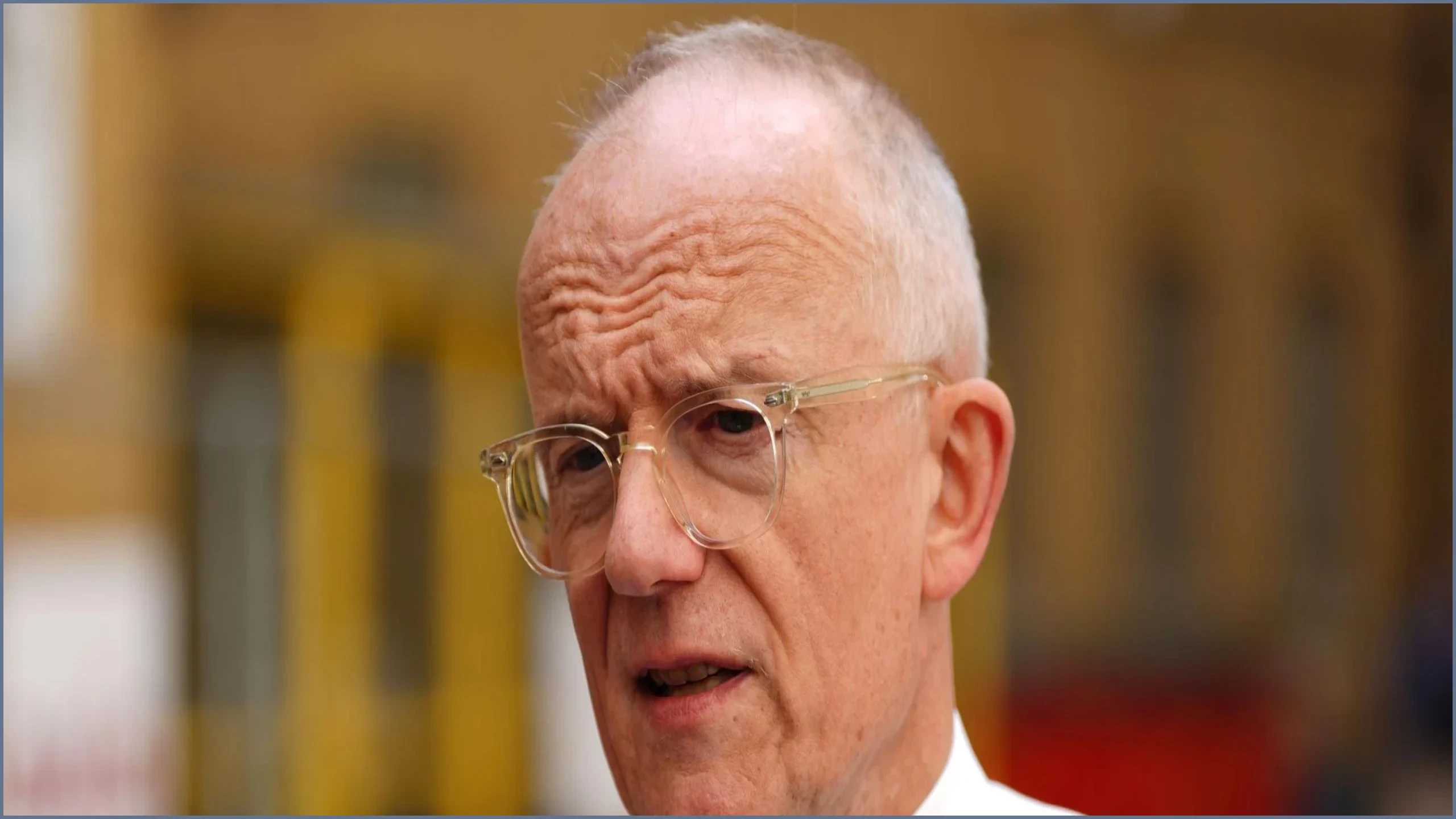
The head of the Metropolitan Police, Sir Mark Rowley, is set to deliver a stark warning that the current policing system in England and Wales is "heading for failure" unless it undergoes urgent and significant reform. In a speech scheduled for Friday, Sir Mark will argue that the existing framework is fundamentally unable to cope with the increasing sophistication of modern criminals.
To address these challenges, Sir Mark is proposing the most extensive overhaul of the service since the 1960s. His plan involves replacing the current 43-force structure with a new three-tier model. This system would consist of local teams focused on neighbourhood issues, regional forces designed to share specialist resources, and a new National Police Service tasked with tackling the most serious and complex crimes. He suggests that merging the current forces into eight to 10 regional entities would reduce duplication, potentially freeing up thousands of roles that could be redirected toward frontline policing.
Sir Mark contends that the current model is struggling to keep pace with threats such as organised crime groups, fraud networks, cyber-criminals, and those involved in online child abuse. He notes that these criminals increasingly operate across regional and international borders, while police forces remain constrained by local organizational boundaries. "We have 43 overstretched forces trying to do too much, with too little," he will warn.
These proposals follow a consultation launched by Home Secretary Shabana Mahmood in January, which included plans for a National Police Service and the potential merger of the 43 forces into fewer, larger bodies. A Home Office spokesperson defended the direction of the plans, stating that the current model has not changed since the 1960s and is "no longer fit for purpose."
However, the proposals have met with resistance. Some rural police and crime commissioners have described the plans as "political manoeuvring" by larger forces to "load the dice in their favour." The Association of Police and Crime Commissioners (APCC) has also expressed skepticism, stating that while the case for modernisation and a National Police Service is clear, the argument for reducing 43 forces to nine regional "mega-forces" is not.
Sir Mark also highlighted significant financial and performance pressures, noting that spending on policing has fallen from approximately 0.9% of GDP to 0.7% since 2010. He will further point to a decline in police performance, noting that positive outcomes nationally are now less than half the level they were 12 years ago, while public confidence has dropped by 9%.