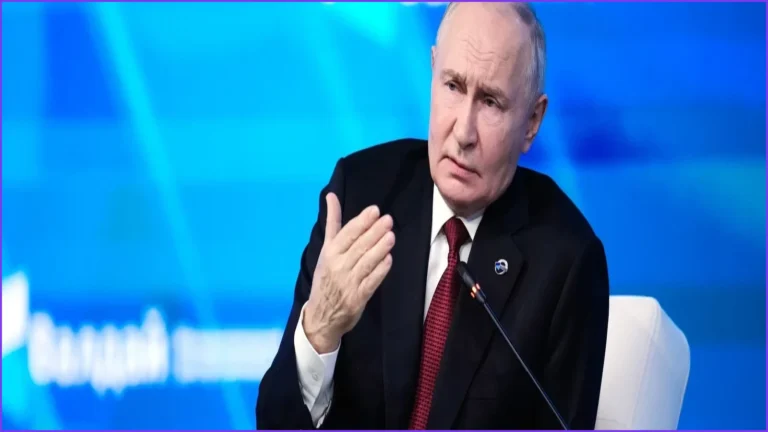
Russian President Vladimir Putin has reaffirmed Moscow's stance that Russia does not intend to attack European nations, but warned that any direct assault on its territory will be met with a response utilizing "all weapons" in the country's arsenal. Speaking on Thursday at the Valdai Club foreign policy forum, Putin addressed rising geopolitical friction, accusing Western powers and European leaders of escalating tensions by discussing preparations for a future conflict with Moscow, conducting military maneuvers in the Baltic Sea, and seizing Russian vessels.
The Russian president's remarks follow a series of warnings from Moscow to NATO regarding the defense of Kaliningrad, a strategic Baltic exclave situated between NATO members Poland and Lithuania. Russian officials have cautioned that the Kremlin would not hesitate to deploy nuclear weapons if alliance members attempt to isolate or cut off the territory from the rest of the country. This week, multiple Russian embassies across Europe issued coordinated statements alleging they had received information that NATO is planning an air and naval blockade of the Kaliningrad region. The embassies accused European leaders of "playing a dangerous game" by claiming Russia might launch attacks or step up sabotage and drone campaigns, allegations that Moscow has dismissed as absurd.
Among those diplomatic messages, the Russian Embassy in Ireland stated on Tuesday that there should be no mistake regarding Moscow's readiness to use its entire arsenal, including nuclear weapons, to defend Kaliningrad if NATO attempts to isolate it. When asked at the forum on Thursday whether Russia and NATO were on the verge of war or merely attempting to intimidate one another, Putin responded that Russia's stance is not intimidation but rather a direct response to Western attempts at intimidation. He confirmed that "everything is written correctly" in the prior warnings sent to NATO.
Putin emphasized that if a direct attack is launched against the Russian Federation, specifically targeting Kaliningrad or other territories, the deployment of all available weaponry would immediately and inevitably be placed on the agenda. While he did not explicitly state that nuclear arms would be used, he noted that Russia possesses unique military assets that no other country has, adding that Moscow would decide which specific weapons to employ in the event of an attack.
In response, NATO spokesperson Allison Hart confirmed on Wednesday that the U.S.-led military alliance had received a written message from Russia. Hart strongly denounced the threat of force and criticized what she termed irresponsible nuclear rhetoric. She clarified that NATO is not targeting Kaliningrad, reiterating that the organization is a defensive alliance whose activities and exercises pose no risk to any part of Russian territory. NATO Secretary-General Mark Rutte described the alliance's written reply as short and concise, and urged Russia to halt its unprovoked war of aggression against Ukraine, which is now in its fifth year.
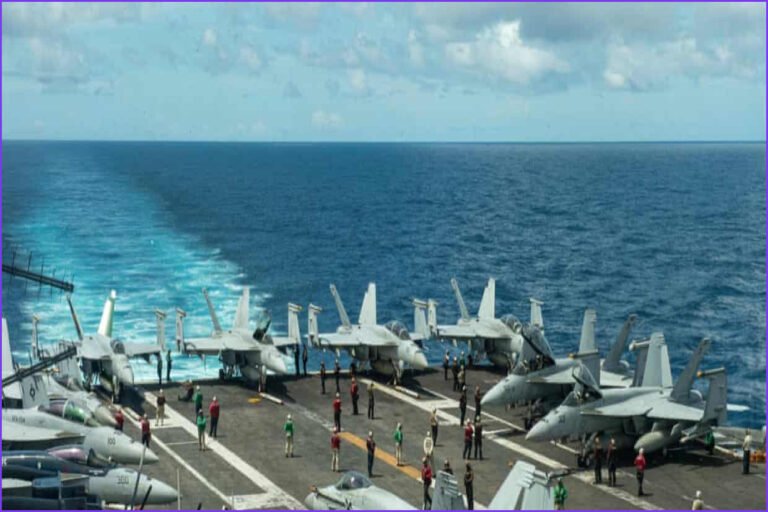
Kaliningrad serves as a critical military outpost for Russia, housing its primary Baltic navy base alongside other military assets, including nuclear-capable Iskander missiles. Western military officials have previously noted that the exclave's key military installations would likely be among the first targets if Russia were to initiate an attack against a NATO ally. Tensions in the region have been underscored by recent NATO exercises in the Baltic Sea, with further drills scheduled for October. Last year, the alliance initiated Operation Baltic Sentry to safeguard communication cables and pipelines in the area. Additionally, on August 18, NATO conducted an unannounced, large-scale exercise over northern Poland and the Baltic region that featured an American EA-37B Compass Call aircraft designed to jam communications and radar, a move defense analysts believe was poorly received by the Kremlin.
European leaders and intelligence agencies continue to warn that Russia could be prepared to strike another nation within a few years, particularly if it succeeds in its military campaign in Ukraine. Rutte told Euronews that Moscow's rhetoric is an attempt to divide the alliance and distract from the defense of Ukraine, asserting that NATO will remain focused and continue to provide increased support to Kyiv.