For one dedicated volunteer, the fascination with Viking history began in the 1980s as a teenager in Denmark. After visiting Roskilde to see five original Viking ships, he began working with the local Viking Ship Museum, eventually transitioning to a long-term role with the Oseberg Viking Heritage Foundation in Tønsberg, Norway. Since 2023, he has served as chair of the foundation, which promotes Viking shipbuilding and traditional handicrafts.
The foundation’s flagship project is the Saga Farmann, a 20-metre-long replica of the Viking Klåstad ship, which was originally excavated from a farmer’s field in 1970 and dated to AD998. Construction began in 2014 using authentic Viking methods, including forest-harvested wood shaped with replica tools and thousands of hand-forged iron rivets. The process was intentionally slow and demanding to ensure an accurate representation of ancient craftsmanship, utilizing techniques from 1,000 years ago.
In April 2023, the crew embarked on a 16-week voyage from Tønsberg to Istanbul—a route historically known to the Vikings as Miklagard. The ship, designed as a cargo vessel, carried a rotating crew of about 12 volunteers. Living conditions on board were notoriously difficult; the volunteers slept on deck or in tents to avoid the damp, smelly cabin, and most participants joined for two-week stints with little prior sailing experience. The journey involved navigating challenging waters, including the Rhine and Danube rivers, often in freezing conditions that left ice on the deck.
The voyage required immense physical effort, as the ship lacked a modern keel and relied on heavy, thick ropes. Despite these hardships, the crew experienced remarkable moments, including sailing through lightning storms and navigating the Black Sea. When conditions were right, they set off from south Bulgaria at 2am, and after a continuous 24-hour push into the Bosphorus Strait, the crew reached Istanbul, marking a 2,175-mile (3,500km) journey. The success of this arrival inspired the team to continue their travels rather than return the ship to the Nordics. Since then, they have conducted annual voyages through Croatia, Italy, France, and the UK.
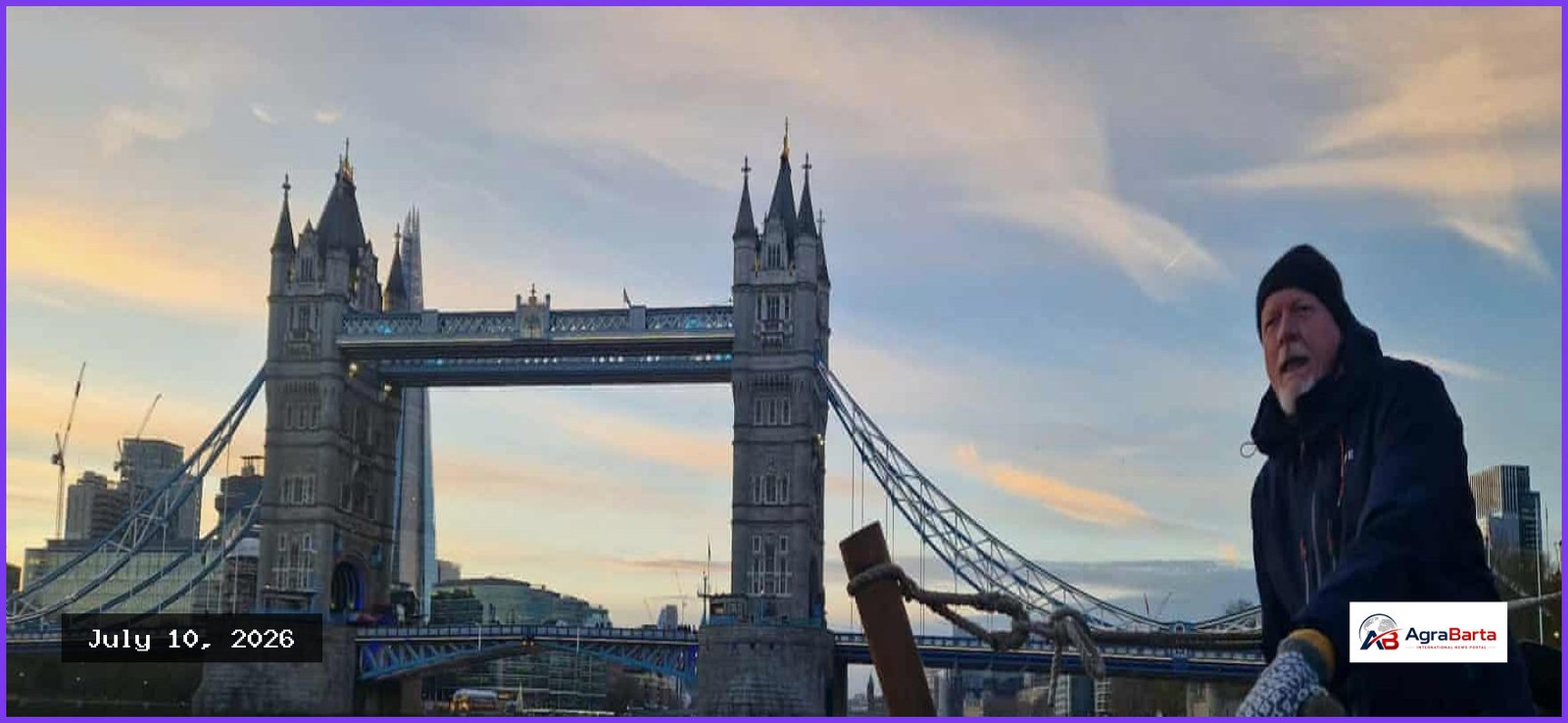
These expeditions have fostered deep connections, with the crew being welcomed by local communities, including a festive reception by about 40 small boats in Croatia after their second trip, and a memorable passage through London’s Tower Bridge. For the volunteers, the project is more than just a historical reenactment; it is a way to build lasting friendships and experience the generosity of people worldwide. The chair of the foundation now spends 10 weeks annually on the ship, managing logistics for future trips and committing to sail for as long as possible.
Every year I spend six to eight weeks on board – it has brought new friendships and showed me how generous people can be