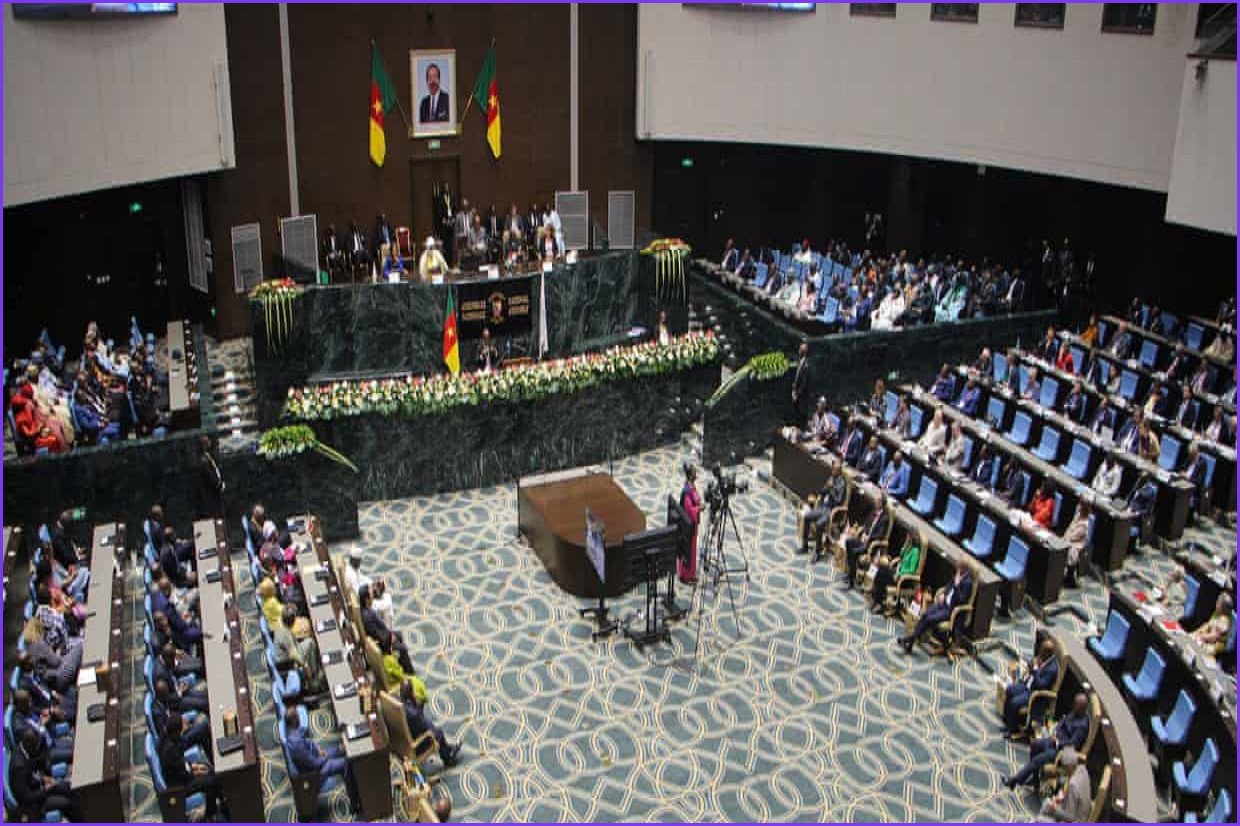
Cameroon’s 93-year-old president, Paul Biya, has not been seen publicly or issued a statement since departing for a "brief private stay" at a Swiss hotel on 7 June. The 53-day absence marks a record for the world’s oldest head of state, reigniting intense speculation within his native country over his health and whether he remains alive. Discussing the president's health remains illegal in Cameroon, following a ban imposed by authorities in October 2024.
Biya, who has served as president since 1982 after a seven-year tenure as prime minister, has frequently spent time at the five-star InterContinental hotel in Geneva during recent years. Government officials have attempted to quell rumors of his illness. Minister of Communication René Emmanuel Sadi stated that the president is in good health and working from Geneva, dismissing reports to the contrary as "malicious manipulation." Higher Education Minister Jacques Fame Ndongo added that Biya continues to review files submitted by his aides. Meanwhile, Labour Minister Grégoire Owona defended the absence, comparing the president to a standard worker taking annual leave, stating, "Paul Biya, elected by the Cameroonian people and paid by them, is a worker who has the right to annual leave."
Despite these assurances, local media have reported claims that the president is critically ill, and social media users have increasingly joked about the rise of a "remote-work president." The political climate remains tense following his swearing-in last November for an eighth consecutive seven-year term, an election that was marred by allegations of voter suppression and irregularities. Opposition figures have expressed deep concern over the lack of transparency. Kohtem Sambit, secretary general of the Movement for Patriotism and People’s Prosperity, criticized the government for failing to disclose the president’s whereabouts while continuing to authorize national debt, noting, "You do not see the person who signed, nor do you know his whereabouts."
Calls for clarity have grown, with Patricia Tomaïno Ndam Njoya of the Cameroon Democratic Union demanding an impartial procedure to assess whether the head of state is suffering from any "temporary or permanent incapacity." The political instability is compounded by the fact that the office of vice-president, reintroduced in a constitutional overhaul in April, remains unfilled. Business leaders like Nji Lucas have warned that the prolonged absence is damaging the economy, noting that investors are hesitant to commit resources to a country that appears to be running on "autopilot." Recently, the ruling party held a rare, closed-door meeting of senior officials, but provided no details regarding the agenda or the president's status.
Cameroon has the largest economy in central Africa, but unemployment rates, high inflation and poor public infrastructure are stymieing the prospects of its young people, who make up about two-thirds of its estimated population of 30.6 million.
Last week, the party’s secretary general, Jean Nkuete, convened a rare meeting of senior party officials. The CPDM described the gathering only as an “important working session” and released neither an agenda nor further details. Attempts to obtain comment from senior party figures were unsuccessful. Several party officials have declined interview requests, citing personal reasons.