Saudi Arabia is facing mounting pressure to reconcile with the United Arab Emirates as the necessary price for building a military coalition capable of reversing recent Houthi gains in Yemen. The relationship between the two nations deteriorated significantly in January, when Saudi forces defeated a UAE-backed contingent—the Southern Transitional Council (STC)—to prevent the potential creation of a separate southern state. Following that confrontation, the UAE effectively withdrew from the conflict.
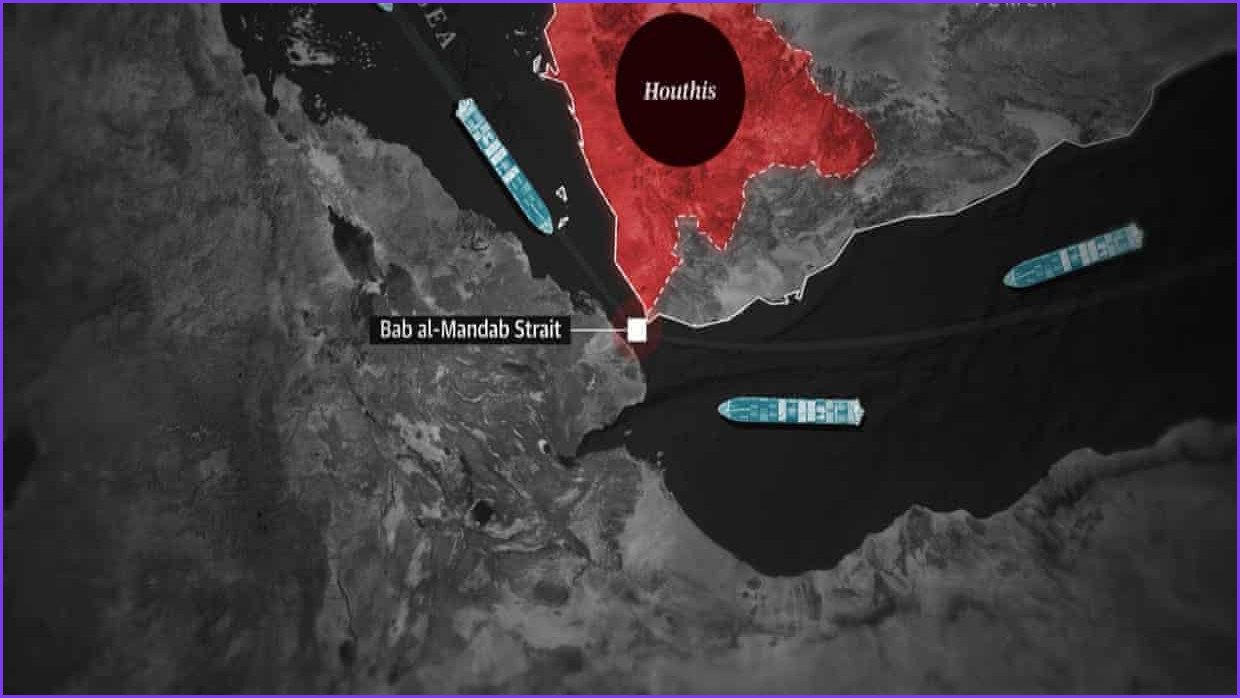
The regional geopolitical landscape has shifted dramatically since mid-September, when Iran-aligned Houthi forces launched a successful offensive toward the Bab al-Mandab strait. This push overwhelmed pro-government forces, including the UAE-trained National Resistance Forces commanded by Tareq Saleh, whose defensive line collapsed rapidly. The Houthis are now attempting to consolidate these territorial gains and seize the south-western city of Taiz, where they are subjecting the city's defenders to relentless waves of attacks.
High-level diplomatic efforts to address the future of the UAE's role in Yemen have recently intensified. A meeting held in Abu Dhabi on Sunday included Israeli Prime Minister Benjamin Netanyahu, UAE President Mohammed bin Zayed al Nahyan, and representatives from several Arab states, including Saudi Arabia. This was followed on Tuesday by talks in Riyadh between Saudi Defence Minister Prince Khalid bin Salman al Saud and UAE Vice President Mansour bin Zayed Al Nahyan, signaling a potential move toward reconciliation.
Despite these overtures, experts remain skeptical about a return to the previous military arrangement. Baraa Shiban, a specialist at the defence think tank Rusi, noted that while confidence-building measures are being explored, the fundamental alignment of the UAE with the STC remains a significant point of friction. Riyadh is reportedly reluctant to allow the UAE back into the theater, fearing that the STC's separatist ambitions undermine the goal of securing the Saudi-Yemen border.
Some voices, such as former Yemeni foreign minister Khaled Alyemany, argue that Riyadh must reconsider its political approach. Alyemany suggests that the Giant Brigades—southern forces formerly associated with the STC—are among the most reliable combatants available to stall the Houthi advance. However, the STC has discouraged these forces from merging with the government, asserting that independence is a prerequisite for their continued participation in the war.
The White House has reportedly been privately encouraging both nations to set aside their differences to establish a unified military command. Additional proposals under discussion include the potential use of Israeli intelligence and private security contractors. Meanwhile, the UN-recognised government, currently based in Aden and operating from exile in Riyadh, has called for a general mobilization of the Yemeni population to counter the Houthi threat. According to the World Health Organization, the recent escalation between August 6 last year and September 26 this year has resulted in 838 deaths and 3,643 injuries.