KEMMERER, Wyoming — For generations, the small town of Kemmerer, nestled in the quiet southwestern corner of Wyoming, has maintained a distinct identity built on three pillars: its massive underground coal deposits, rocky outcroppings rich with fossilized fish, and its status as the home of the original JCPenney store. Today, however, a new chapter is unfolding just five miles outside the historic downtown, where workers are constructing a first-of-its-kind nuclear power plant. Backed by billionaires Bill Gates and Warren Buffett, the project is receiving $2 billion in taxpayer assistance to build a small-scale reactor designed to be constructed and brought online much faster than traditional plants of twice its size.
The "Natrium" project, developed by TerraPower, has polarized the local community of approximately 21,000 area residents, with about half welcoming the development. The plant is slated to begin generating electricity within the next four years. This project represents a cornerstone of the Trump administration's broader strategy to diversify the energy economy of the United States. The administration is pushing to construct dozens of new nuclear power reactors to supply energy to power-hungry data centers and manufacturing facilities across the nation.
This advanced nuclear project has brought a massive influx of thousands of construction workers to this remote region, providing a significant economic boost to local establishments. Businesses such as the Fossil Fuel Coffee Co., the local Super 8 motel, and Scroungy Moose Pizza are experiencing a surge in activity. This economic injection arrives at a critical juncture for the community, as local coal mines face eventual closure and alternative high-paying employment opportunities remain scarce. While some residents express deep skepticism about the nuclear project and the ultra-wealthy figures financing it, others view the transition with optimism.
Among those embracing the change is 61-year-old Michelle Pollard, a long-time employee of the Kemmerer coal mine. "I've lived and breathed that coal mine for 35 years and I love it," Pollard said. "But you have to change with the times and I’m glad they picked Kemmerer."
The Natrium project is part of a larger national momentum. Four other new small-scale test nuclear reactors recently demonstrated success at the Idaho National Laboratory, helping to meet a self-imposed July 4 deadline set by President Trump to mark the 250th birthday of the United States. Energy Secretary Chris Wright praised these developments in a statement, declaring, "America's nuclear renaissance is underway because of President Trump’s bold vision and ambitious goals." Wright added that "advanced nuclear technologies … will help power the next generation of American industry, strengthen our energy security, and ensure the United States remains the world’s nuclear innovation leader."
Proponents of the technology argue that carbon-free nuclear energy is essential for providing reliable baseload power without contributing to global climate change. Beyond civilian initiatives like the Natrium plant, the White House has also directed military officials to accelerate their adoption of mobile nuclear reactors that can be flown directly to remote military bases.
However, the rapid push has drawn sharp criticism from opponents who argue that the nation is rushing to deploy risky, unproven technologies. Critics point out that renewable energy sources such as wind, solar, and battery storage are becoming increasingly reliable and affordable. They argue that the environmental hazards associated with nuclear fuel are too high a price to pay, and express concern that remote nuclear facilities and their radioactive waste could become vulnerable targets for terrorists seeking to construct dirty bombs, especially following the Trump administration's decision to soften certain security requirements.
Edwin Lyman, a physicist and the director of nuclear power safety for the Union of Concerned Scientists, expressed deep concern over the current political drive. "My No. 1 concern is that this push is not being inspired by genuine innovation in nuclear power or any perceived interest in nuclear power by the public," Lyman said. "It's being driven by ideology that somehow nuclear power hasn't gotten its due, and that's because the government has been over-regulating it, that the dangers have been overstated, and that's what's been holding it back." Lyman further criticized the industry's historical performance, stating, "The fact is the industry doesn't have a good track record, and they blame everyone else for their own poor performance. And, unfortunately, those issues are being overlooked in this new political push for nuclear power."
To fully grasp the dynamics of nuclear energy in Wyoming, one must understand the deep-rooted history of coal. Coal mining has long been a foundational pillar of the Equality State's economy, directly or indirectly supporting about 4% of all jobs in Wyoming. However, the economic viability of burning coal to generate electricity is in a slow, steady decline. This decline is driven by a combination of environmental regulations, high operating costs, and shifting public perceptions that increasingly view coal as an outdated and dirty energy source.
President Trump has sought to counter this decline by framing coal preservation as a matter of national security. His administration has taken steps to keep certain coal-fired power plants operational, sometimes against the wishes of their owners, and has ordered the military to purchase coal for electricity generation instead of relying on wind or solar energy.
Despite these efforts, Pollard, who spent 35 years selling coal, acknowledges that the economic landscape around Kemmerer is changing. Over the course of her career, she witnessed a steady decline in mine customers. Today, even the power plant located adjacent to the mines has transitioned to burning natural gas rather than coal. This represents a major shift in an area where hundreds of livelihoods have depended on the mine and the power plant. Mining jobs in the Kemmerer area are highly lucrative, with the Bureau of Labor Statistics reporting average wages of roughly $40 an hour before overtime—nearly double the median wage for all jobs in the county.
For decades, the coal mines outside Kemmerer fueled both the Naughton power plant and the broader local economy. It was common for husbands and sons to work in the mines or the power plant, while wives and daughters held office positions. Pollard, who still works part-time in sales, was part of this traditional economic fabric. Although massive coal reserves remain beneath the ground, mine operators have indicated that continuing operations is no longer financially viable without new customers, and the mines may shut down in about ten years. While Kemmerer officials actively lobbied to attract the nuclear plant, the project is not directly replacing the existing mining jobs.
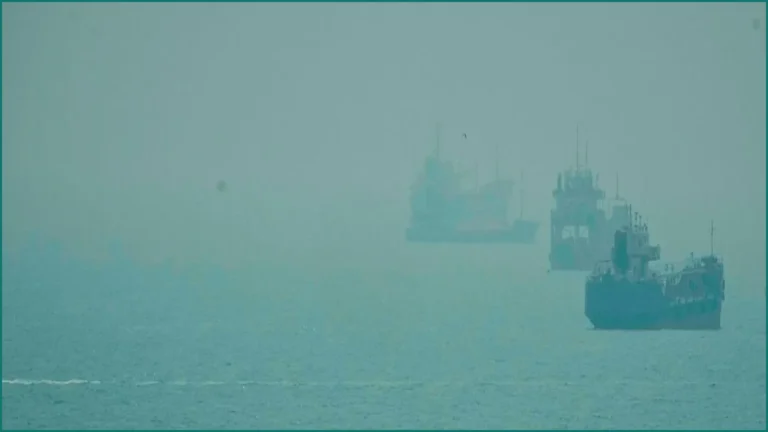
Across the state, natural gas has largely superseded coal as a cleaner, more efficient fuel. Wind turbines now line the rolling hills along Interstate 80, and solar installations are expanding near Cheyenne, the state's largest city. Globally, renewable energy generation from wind and solar has experienced rapid growth. According to the United Nations, renewable energy sources are cheaper and quicker to install than nuclear alternatives, and they do not produce heat-trapping carbon emissions. Nevertheless, some environmental advocates view nuclear energy as a vital source of carbon-free baseload power that is insulated from geopolitical supply-chain disruptions, such as Iran's recent closure of the Strait of Hormuz.
"Things have to evolve. You have to change with the times. And I, too, like clean energy," Pollard remarked.
The debate over nuclear timelines often points back to the Obama administration's 2010 announcement of $8.33 billion in federal loan guarantees to construct two new nuclear reactors in Georgia. Those reactors did not begin generating power until 2023 and 2024, representing a prolonged and highly expensive construction process. Proponents of the Natrium project point to this history as evidence that smaller, advanced reactors can offer a more efficient path forward.
The Natrium reactor utilizes a specialized form of refined uranium that is more highly concentrated than the fuel used in traditional nuclear plants, though it remains far below the enrichment levels required for weapons. Wyoming possesses significant natural uranium deposits, which state leaders hope will eventually supply reactors nationwide.
At the Fossil Fuel Coffee Co. in downtown Kemmerer, assistant manager Janet Lively, 41, has observed a marked increase in new customers as the Natrium project progresses. The project represents a mix of opportunity and uncertainty for her family, as her husband is currently employed at the coal mine. As she served a steady flow of locals and tourists ordering coffee and breakfast burritos, Lively noted the community's deep division over the development. "I would say our community is split," she said. "You’re either opposed to it or in favor."
Charlotte Sherbeyn, a 59-year-old apartment cleaner who has lived in the area for a long time, is among those who oppose the project, despite appreciating the economic activity it brings. Sherbeyn has been working extra hours to clean apartments as various construction crews rotate through the town. TerraPower estimates that the project will generate about 1,600 temporary construction jobs, which will eventually transition into up to 300 permanent positions to operate the completed plant.
Sherbeyn questioned why billionaires like Gates require public funding for such ventures. She argued that if the project is truly viable, Gates—whose net worth is approximately $100 billion—should fund it entirely, rather than relying on taxpayer money. "I'm just not a huge Bill Gates fan," Sherbeyn said. "He only cares about him. It’s just a dollar sign to him."
In response to such criticisms, TerraPower described the Natrium project as a significant public-private partnership where both the company and taxpayers share the financial commitment equally. In a statement, the company said: "This partnership was created to help build out this new industry in order to scale a fleet of new reactors and unleash American nuclear power at a time when it’s needed most." The company added, "To meet this demand, we must build and scale the entire next-generation nuclear industry, which means we need a fleet of power plants, a domestic fuel supply, a robust supply chain and a trained workforce."
Sherbeyn also expressed anxiety over the potential for a catastrophic accident, citing the vast deposits of coal and natural gas beneath the local ground, as well as the proximity of the Yellowstone Caldera, located 260 miles to the north. "If that blows up," she warned, "we’re done."
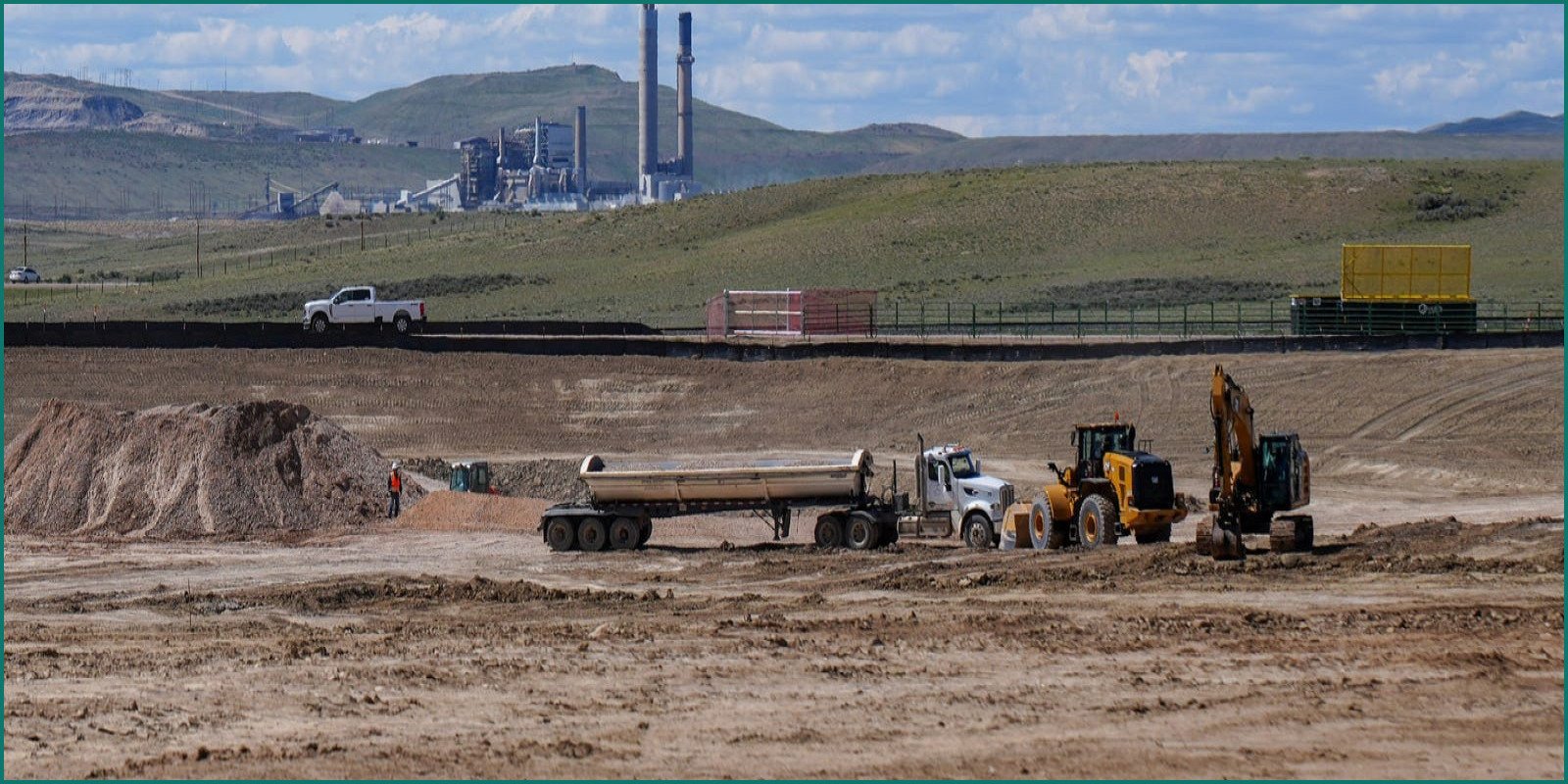
At the construction site just outside Kemmerer, heavy machinery is actively reshaping the landscape to prepare for the partially buried reactor housing. Crews began preparing the non-nuclear portions of the facility in June 2024, and broke ground on the nuclear site itself in April. Workers are currently completing a tall testing and fueling facility. However, construction on the actual reactor building has not yet commenced, and there is currently no nuclear fuel stored on the site.
TerraPower President and CEO Chris Levesque, who led a tour of the site, detailed the safety protocols established for construction workers, the community, and the future nuclear fuel. Site managers highlighted measures taken to protect local nesting birds and Native American cultural sites. They also demonstrated the testing facility where engineers are developing specialized pumps designed to move molten metal from the reactor to the generator turbine. "This really is the beginning of a whole new era of nuclear energy," Levesque said.
Levesque noted that his interest in the nuclear sector was sparked in part by witnessing how environmental protests delayed a nuclear plant near his childhood home in New Hampshire. "This is the first plant, but we're going to build more than a hundred of these things around the world," he stated.
During the 1960s and 1970s, American utility companies built dozens of nuclear reactors, which continue to generate approximately 20% of the nation's electricity today. Around 100 of those original reactors remain operational. However, the domestic expansion of nuclear power came to a halt following the 1979 partial meltdown at the Three Mile Island facility in Pennsylvania, which released a small amount of radioactive material into the atmosphere. Although health experts concluded there were no significant long-term health effects from the incident, it fundamentally altered public perception. Subsequent international disasters, such as the 1986 Chernobyl meltdown and the 2011 Fukushima leak, further reinforced public apprehension.
Federal regulators maintain that nuclear power is highly safe, pointing to the stringent safety guidelines and oversight implemented after Three Mile Island. They also point to the U.S. Navy's long history of safely operating nuclear reactors on submarines and aircraft carriers, though the military does not regularly release safety data to the public.
TerraPower hopes to demonstrate that the Natrium plant can be built much faster than traditional facilities while maintaining rigorous safety standards. This speed is attributed to the reactor's design: rather than using high-pressure steam, the Natrium system utilizes molten sodium metal to transfer heat from the uranium fuel to a separate steam turbine. Levesque expressed confidence that the project is both safe and environmentally responsible, suggesting it should appeal to both conservatives focused on domestic energy security and liberals seeking carbon-free energy solutions.
"What changed about 10 years ago was with the concern about climate and CO2 emissions, a lot of liberal folks, a lot of especially young liberals, really got interested in nuclear," Levesque explained. "Nuclear did have this great safety record, and so maybe older generations who grew up with some of the stigma that was prevalent in the '70s, that kind of worked its way out of the consciousness of the public."
Conversely, Lyman remains highly skeptical of the aggressive timeline promoted by the Trump administration, warning that it could compromise safety and security. He also noted that local residents may not fully realize that the radioactive waste generated by the reactor will remain stored on-site. The Natrium reactor will require refueling roughly every two years, and because the United States lacks a centralized permanent waste repository, the spent fuel must be kept at the facility. Lyman also criticized the involvement of Gates, arguing that the high-risk, high-reward culture of Silicon Valley is ill-suited for nuclear power when safer, cheaper alternatives like wind and solar are readily available.
"It's a sign that the industry and the Trump administration are not seriously confronting these issues in a way that's sustainable," Lyman said. "That doesn't bode well. You can fool some people, but you can't fool Mother Nature."
Pollard, who now operates a local soda shop named "3 ZERO 7 Place" — a nod to Wyoming's single area code — remains supportive of the project. She expressed confidence in the caliber of the engineers hired by TerraPower and believes Gates has genuine intentions, noting his multiple visits to Kemmerer as evidence of his commitment. While acknowledging the potential risks, Pollard remains optimistic about the economic revitalization the project could bring to the area. "Kemmerer is kind of used to boom and bust," Pollard observed. "You can't have growth without some short-term pain."