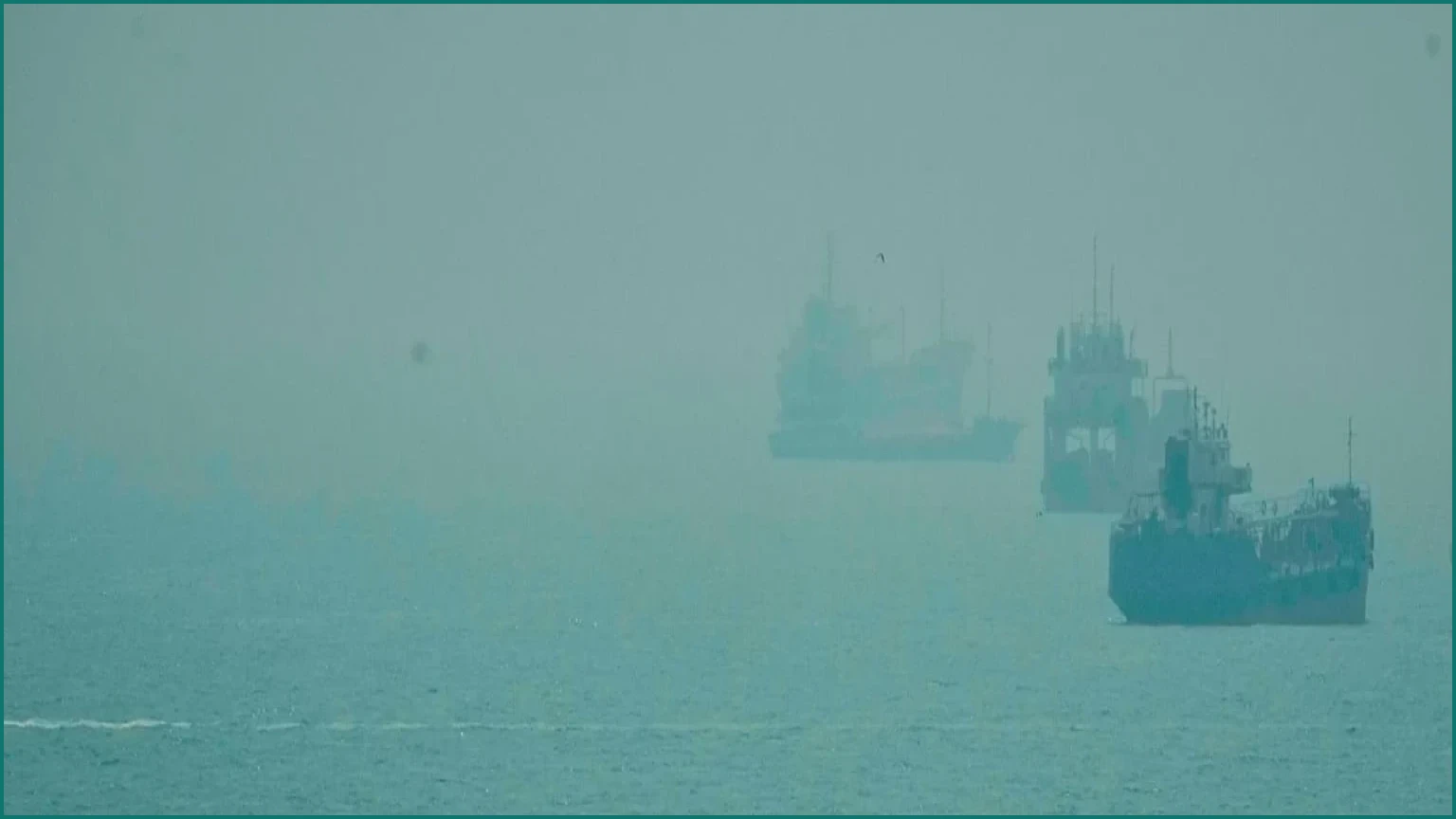
Qatar has officially rejected the prospect of constructing pipelines to bypass the Strait of Hormuz, with officials stating that such an alternative would be economically unviable. Saad Sherida Al-Kaabi, Qatar’s Minister of State for Energy Affairs and chief executive of QatarEnergy, explained that while neighboring countries had proposed alternative routes, the logistical requirements make the project impractical. Transporting natural gas via pipeline would necessitate building entirely new facilities at the destination to convert the gas into liquefied natural gas (LNG), which Al-Kaabi described as an unnecessary duplication of the massive infrastructure already under construction as part of the North Field expansion.
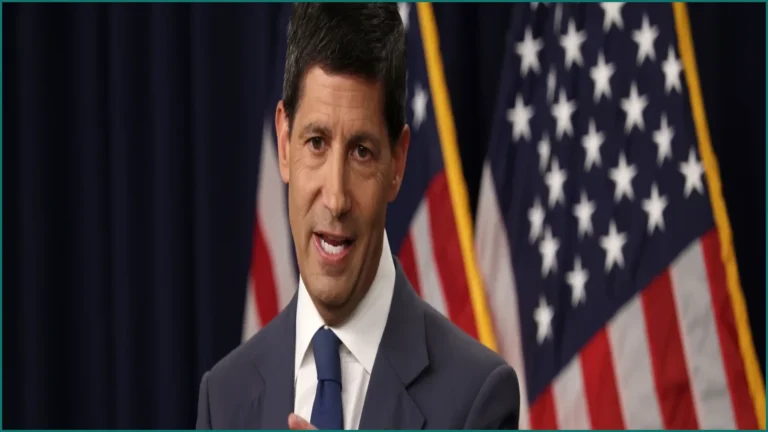
Addressing recent speculation, Al-Kaabi dismissed comments from US Treasury Secretary Scott Bessent, who had suggested that the Strait of Hormuz could become “worthless” within two years due to the development of alternative transit routes. Al-Kaabi labeled this assessment as “completely wrong,” emphasizing that the strait remains a vital artery for a vast array of global trade, extending well beyond just oil and gas.
Regarding domestic production, Qatar is pushing forward with its North Field expansion, which aims to increase LNG capacity from 77 million tonnes per year to 142 million tonnes by 2030. While the North Field East project’s first production unit is now slated to begin operations in the first half of 2027—a slight delay from its original 2026 target—Al-Kaabi noted that further delays could occur if equipment delivery continues to be disrupted. The North Field South project is currently scheduled for 2028. Additionally, the minister confirmed that repairs to two LNG production units at Ras Laffan, which were damaged in March and caused a 17% reduction in export capacity, are expected to take three years. A separate gas-to-liquids unit damaged in the same incident is projected to complete repairs by the first quarter of 2027.
Despite these challenges, QatarEnergy remains confident in its market position, projecting that it will become the world’s largest LNG trader in the near future. Meanwhile, the first unit of the Golden Pass LNG project in the United States has already commenced shipping, with the second and third units expected to be fully operational next year. These developments occur against a backdrop of economic pressure, with official figures showing a 7% year-on-year decline in Qatar’s GDP during the first quarter of 2026.
In response to these economic conditions, Qatar’s Prime Minister and Foreign Minister, Sheikh Mohammed bin Abdulrahman Al Thani, introduced a new investment and growth platform known as Doha Investment during a special edition of the Qatar Economic Forum in New York. The government announced over $60bn in total projects and investment opportunities to be rolled out over the next five years. This includes approximately $38.5bn in new infrastructure projects, with initial tenders starting immediately, and $22.5bn earmarked for private investment in real estate and hospitality.
The Doha Investment platform is specifically designed to manage and expand the domestic portfolio of the Qatar Investment Authority (QIA), which includes major entities such as Qatar Airways Group, QNB Group, Ooredoo Group, Qatari Diar, Katara Hospitality, and Hassad Food. Sheikh Faisal bin Thani Al Thani, Qatar’s Minister of Commerce and Industry, will lead the platform as managing director and vice-chairman. The platform will initially oversee 45 companies, representing roughly one-third of QIA’s assets across 80 markets, and will focus on fostering growth in sectors such as technology, manufacturing, supply chains, and healthcare.
A separate group of real estate and hospitality projects is expected to attract $22.5bn (€19.6bn) in private investment.
Together, the two programmes represent more than $60bn (€52.25) in projects and investment opportunities.