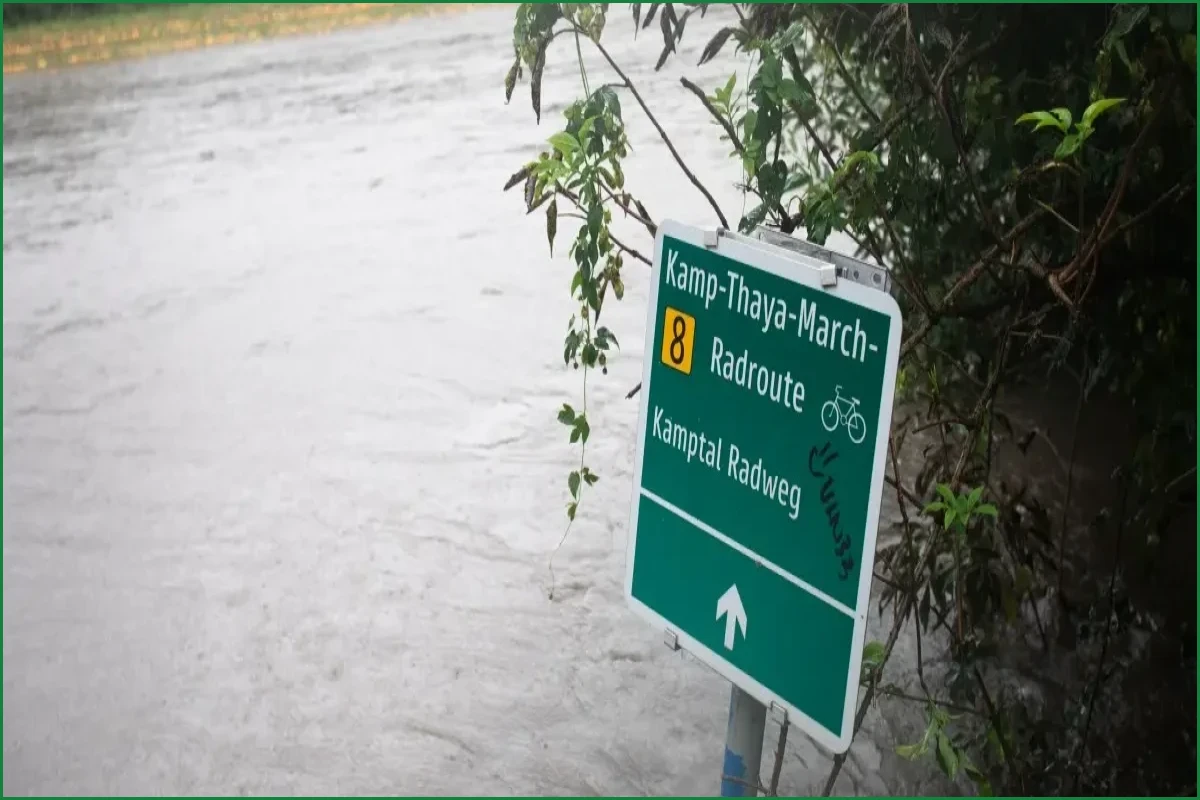
Two years have passed since severe and deadly floods devastated eastern Austria, prompting a critical examination by experts regarding the country's progress in disaster mitigation and the ongoing threats posed by climate change. The September 2024 disaster remains one of the most significant weather events in recent Austrian history, resulting in the deaths of six people, five of whom were in Lower Austria, the region most severely affected.
During that five-day period in September 2024, extreme rainfall between the Mostviertel and Wienerwald regions saw some areas record between 300mm and over 400mm of rain. This total represented more than 5.5 times the long-term average for the entire month. For over half of Lower Austria, the intensity of this rainfall was categorized as a once-in-1,000-year event.
The financial impact of the disaster was substantial, with damages in Lower Austria exceeding €1 billion. In the aftermath, the government has directed millions of euros toward enhancing flood defense infrastructure, implementing more robust monitoring systems, and improving overall emergency preparedness.
Despite these investments, experts indicate that fundamental vulnerabilities exposed by the 2024 event remain unresolved. Concerns persist regarding current urban planning policies, specifically where the construction of homes is permitted, as well as the adequacy of measures to protect existing buildings from extreme flooding scenarios. As Austria looks to the future, the challenge of addressing these deeper structural weaknesses continues to be a central focus for authorities and climate experts alike.
So what has Austria actually changed since then? The Local spoke with three experts to find out.