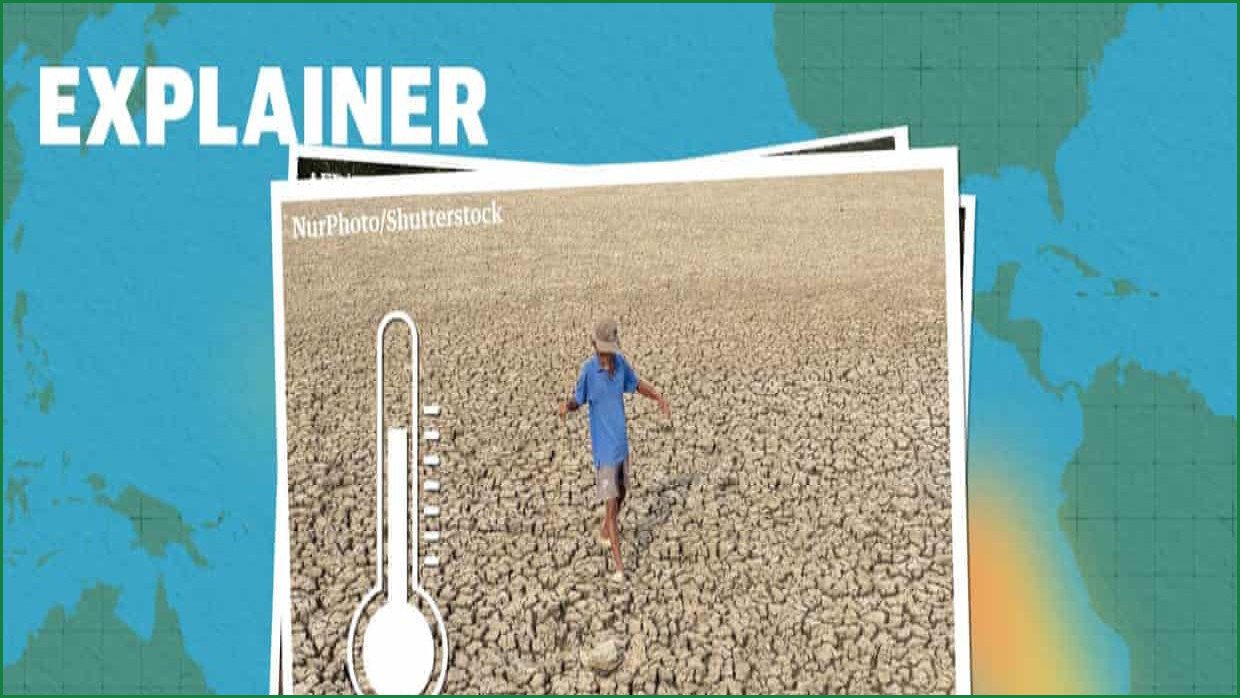
A new research report warns that a record-shattering El Niño event is expected to contribute to more than 450,000 additional deaths over the next six months. This projected toll, which covers the period from September 2026 to February 2027, accounts for heat-related mortality occurring on top of existing deaths already linked to the broader climate crisis. Scientists describe the current event as "Godzilla-level" and "mind-blowing," noting that it recently surpassed the highest temperatures ever recorded for the phenomenon, even before reaching its expected peak.
The impact of this climate event is expected to be global, with researchers identifying Nigeria, Indonesia, Sudan, India, and Brazil as the most vulnerable nations. The United States is also among the top 20 most affected countries, with an estimated 3,500 additional heat-related deaths projected. Beyond direct heat exposure, the report anticipates further loss of life resulting from secondary effects such as droughts, wildfires, and flooding.
Prof Michael Greenstone, a co-founder of the Climate Impact Lab at the University of Chicago and co-author of the report, emphasized that the figure represents real people—parents, children, and neighbors—rather than just a statistical abstraction. He noted that while the report will be submitted to a peer-reviewed journal, the urgency of the situation made it irresponsible to delay its release. The findings were derived by analyzing the month-by-month relationship between temperatures and heat deaths across 24,378 global regions, using the period from 1996 to 2025 as a baseline.
Researchers suggest that these projections can help authorities implement life-saving measures, including the establishment of cooling centers, improved heat forecasting, and increased medical staffing during peak temperature periods. Dr. Tamma Carleton, a co-author from the University of California, Berkeley, stated that while immediate emergency responses can save lives this year, the current El Niño serves as a "postcard from our future." She warned that when today's extreme temperatures become the new normal in 20 years, society must have better tools in place to avoid a perpetual state of emergency.
In addition to heat-related deaths, the World Food Programme has warned that El Niño could push approximately 50 million people into acute hunger and drive up food costs. Prof Friederike Otto of Imperial College London noted that this event is particularly dangerous because it is occurring within an already warmed, human-influenced climate system. Although the primary forecast period ends in February 2027, elevated heat-related mortality is expected to persist until June or July 2027.