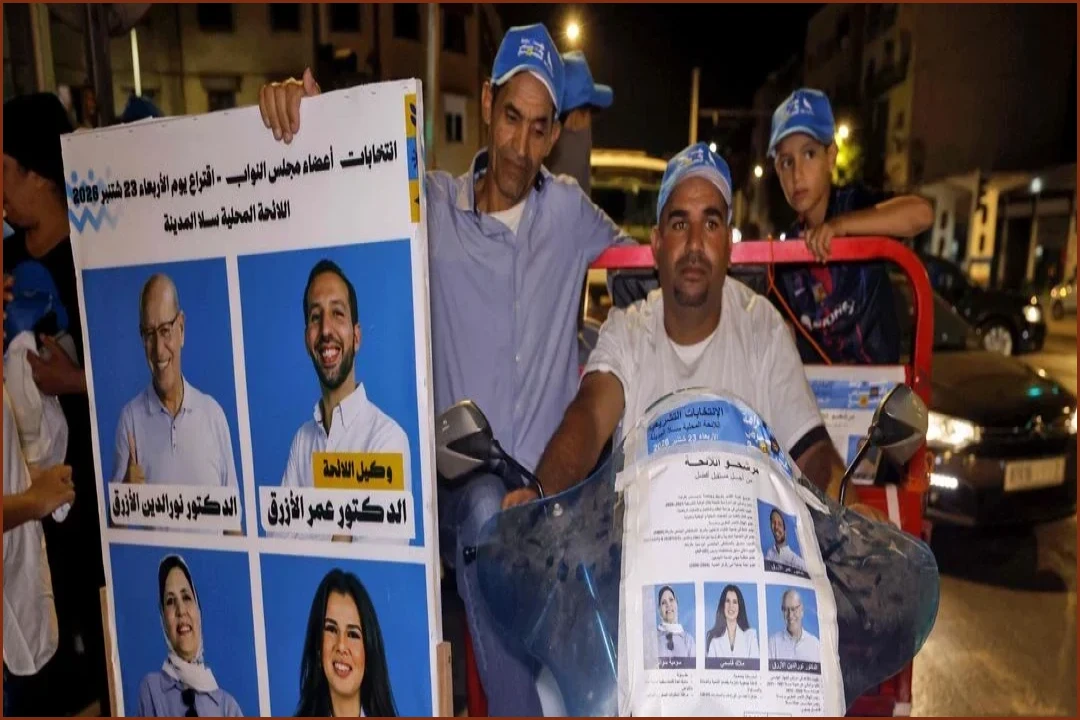
Moroccans headed to the polls on Wednesday to participate in parliamentary elections, casting their votes at a time of growing public frustration. With polling stations operating from 8 am until 7 pm local time, nearly 15.8 million registered voters were eligible to select all 395 members of the House of Representatives. The electoral field is crowded, with official figures indicating that 7,288 candidates from 28 different political formations are vying for seats. Results are expected to be announced on Thursday.
The election occurs against a backdrop of significant economic anxiety. Despite the country’s ongoing investment projects and economic growth, many citizens—particularly the youth—feel that these developments have failed to improve their daily living conditions. The vote follows a year characterized by youth-led protests that highlighted widespread grievances regarding education, healthcare, employment, and overall wages. This sentiment has led to a test of confidence in the political process, with analysts predicting a relatively low turnout. Current data shows that only four percent of registered voters are aged 18 to 24, and the total number of registered voters has actually declined since the 2021 election, even as the national population has expanded.
Political parties are facing pressure from this widespread skepticism, which has manifested in various ways, including public protests and instances of young Moroccans seeking to emigrate or attempting to cross borders into Spanish territory like Ceuta. These challenges coincide with massive infrastructure plans linked to Morocco’s role as a co-host for the 2030 FIFA World Cup. The government that emerges from these elections will be tasked with managing billions of dollars in investments while addressing urgent demands for job creation and improved public services.
Because no single party is expected to secure an outright majority, the composition of the next government will likely be decided through subsequent coalition negotiations. Under the Moroccan constitution, the king appoints the head of government from the party that wins the most seats, though the monarchy retains substantial authority over strategic matters. For the Moroccan diaspora, participation remains difficult; while they hold the constitutional right to vote, the lack of a postal system or consular ballot boxes means they must either travel to the country or authorize another person to vote on their behalf.