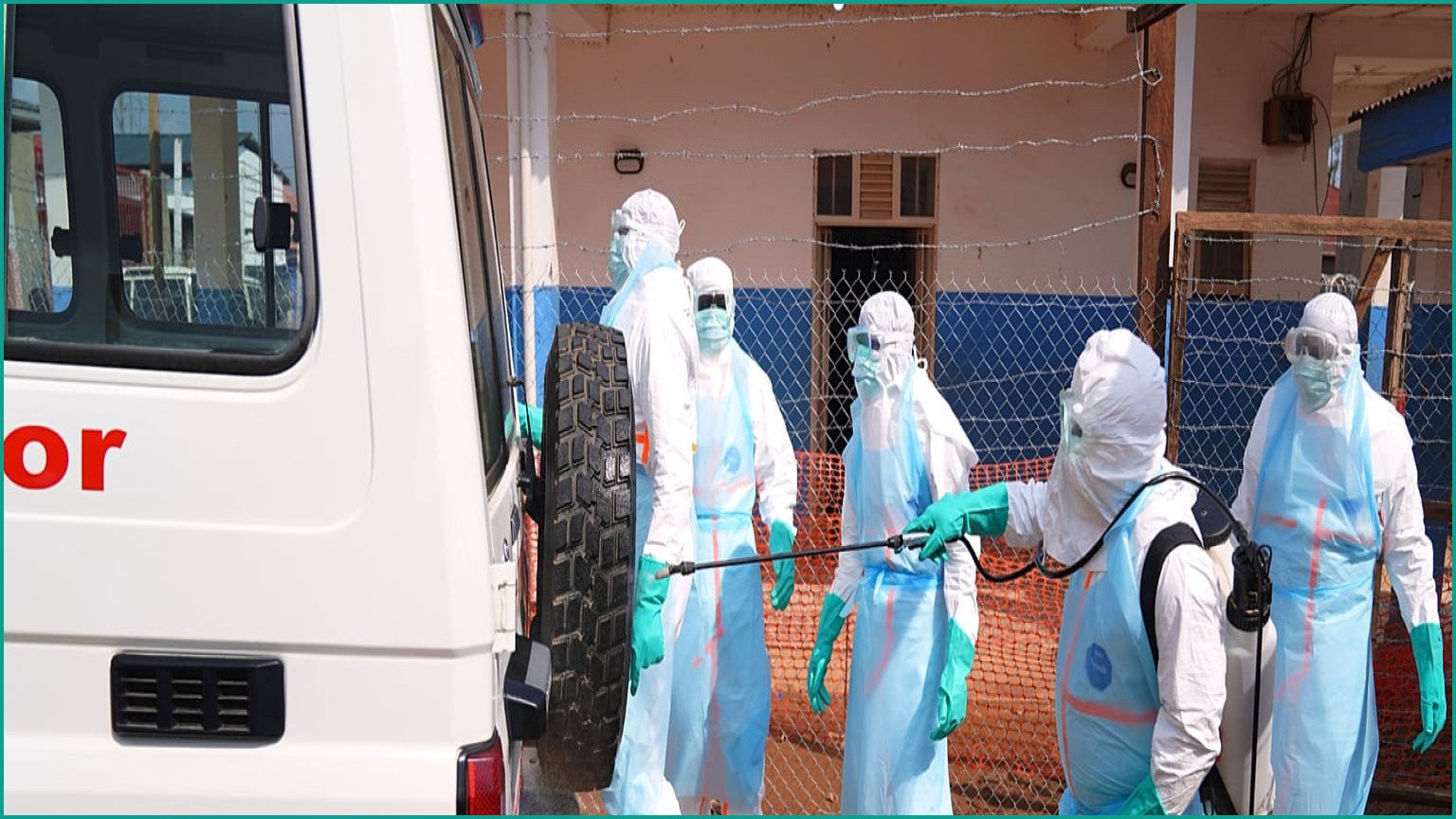
The Ebola outbreak in the Democratic Republic of Congo (DRC) has now claimed more than 1,000 lives, according to Africa’s primary health authority. Dr. Jean Kaseya, director-general of the Africa Centres for Disease Control and Prevention, confirmed the death toll has reached 1,031 during a health summit held in Ghana on Wednesday. Dr. Kaseya emphasized the gravity of the crisis, stating that victims are dying due to a critical lack of funding, medicine, and vaccines.
Since being declared on 15 May, this surge has become the fastest-growing Ebola outbreak in recorded history. Unlike previous instances of the disease, this outbreak is driven by the Bundibugyo virus, for which there are currently no approved vaccines or medical treatments. In response, the University of Oxford's Vaccine Group initiated the world's first human clinical trial for a Bundibugyo vaccine last week. This Phase I trial involves 50 healthy adults aged 18 to 55 and aims to evaluate the vaccine's safety and immune response.
The current crisis is outpacing previous epidemics, including the 2013–2016 outbreak, which remains the deadliest on record with over 11,000 deaths from at least 28,000 cases. Health officials have expressed deep concern as approximately 80% of new infections are appearing outside of established transmission chains, suggesting the virus is spreading faster than containment efforts can track. Emergency response operations are being intensified in Ituri province, the identified epicentre of the outbreak, as well as four other affected provinces.
Experts warn that the situation could deteriorate further. Researchers at the US Centers for Disease Control and Prevention (CDC) utilized computer modelling last month to project potential outcomes, warning that a worst-case scenario could mirror the scale of the 2014–2016 West Africa epidemic. Trish Newport, an emergency program manager for Doctors Without Borders, noted that the late identification of the outbreak has left response teams struggling to keep pace. While Dr. Jean Nachega, an epidemiologist at the University of Pittsburgh who advises African health authorities, does not anticipate reaching the CDC's worst-case projections, he maintained that the current challenges remain immense. Ebola, a rare and highly contagious disease, is transmitted through contact with infected bodily fluids such as blood, vomit, or semen and is frequently fatal.