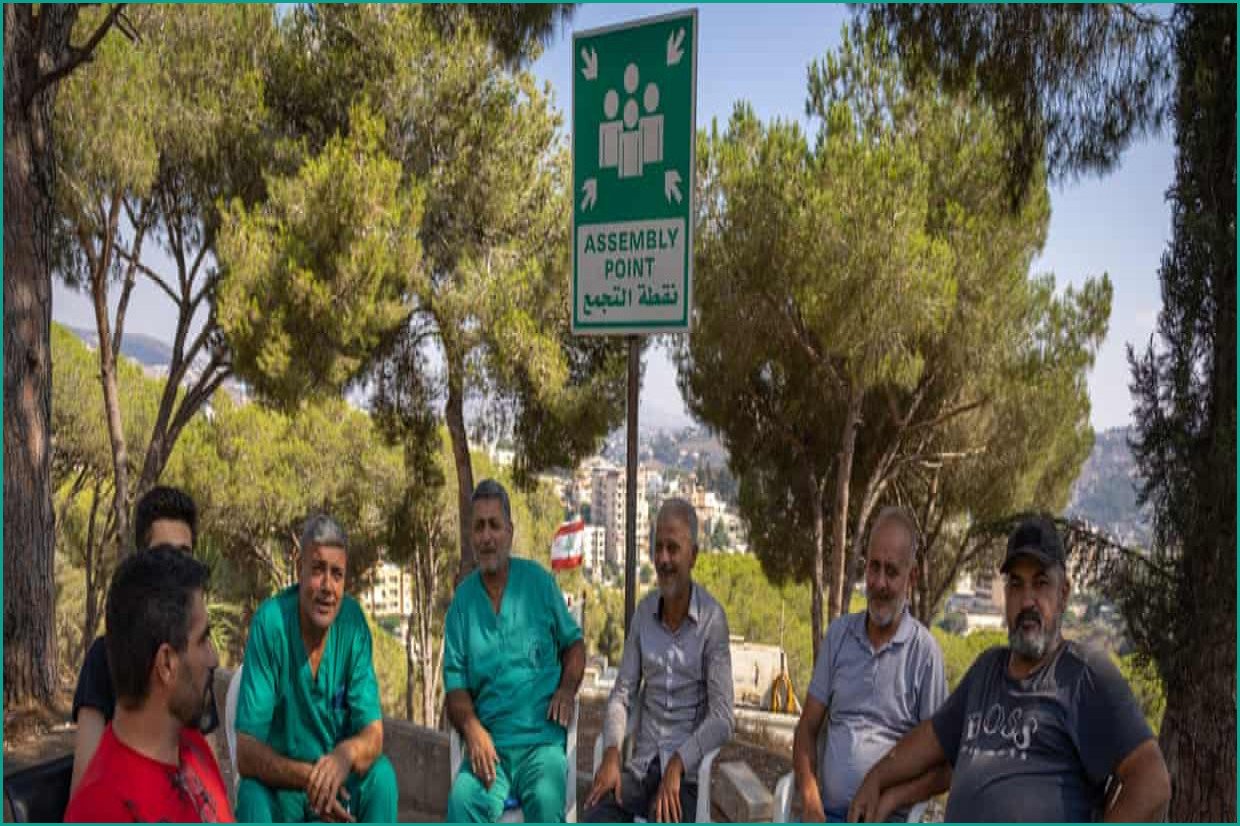
Since the onset of the Israel-Lebanon war in early March, Lebanon has emerged as one of the most perilous environments globally for medical professionals. According to data from the Lebanese health ministry, at least 135 healthcare workers have been killed during this period, with many deaths occurring in so-called double-tap strikes. While Israel has alleged that ambulances were utilized to transport weapons for Hezbollah, human rights organizations like Amnesty International maintain that there is no evidence to support these claims.
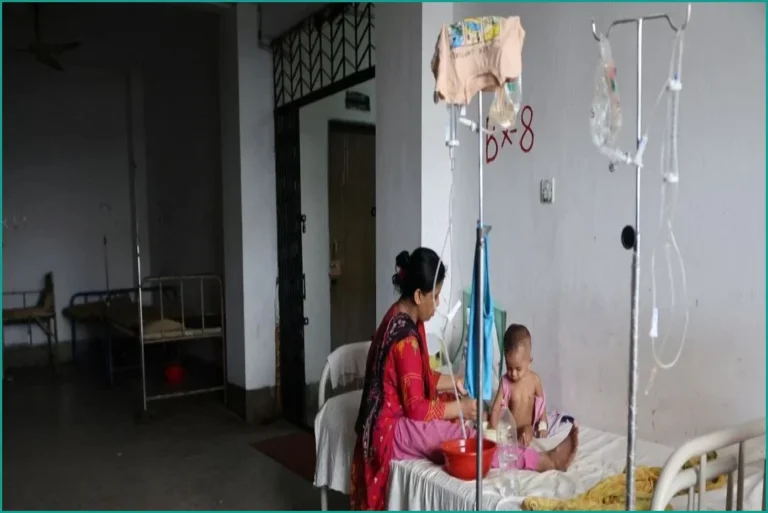
For 66-year-old surgeon Moustapha Hamze, the war has transformed his life into a cycle of constant anxiety and confinement. Working at the Nabih Berri governmental hospital in Nabatieh, Hamze, a resident of the nearby village of Kfar Roummane, has been unable to return home. He recounted a near-fatal encounter when an Israeli drone dropped a stun grenade and a bomb just 10 meters from him during an attempted visit to his house. Having closed his private clinic when the conflict began on March 2, he has since lived within the hospital premises, sleeping in a small surgery room and spending his days treating the wounded.
Hamze described the psychological toll of witnessing the aftermath of strikes, noting that he has seen bodies in horrifying, unnatural conditions that once seemed confined to films. He specifically recalled the death of a paramedic colleague, Mahdi Abu Zeid. "He was a polite, decent young man. What upset me was that I had to come to know him," says Hamze. "Sometimes, I wish I had not known him, because then his death might have hurt less." With bombings all around the hilltop hospital, the facility began to feel like both a fortress and a prison. Outside the hospital, the situation was even more grim.
Mohammed Suleiman, the chief paramedic for Nabatieh emergency services, echoed these sentiments, stating that while medical teams in previous conflicts operated under the risk of being caught in crossfire, they now believe they are being targeted directly. The human cost for his team has been profound; Suleiman lost his 16-year-old son, Joud, in March. Joud and his colleague Ali were struck by a drone while delivering food to residents in Nabatieh, despite both wearing clearly marked paramedic uniforms.
The constant threat has fundamentally altered how rescue operations are conducted. Suleiman explained that he now makes exhaustive calculations before dispatching any vehicle, struggling with the inability to know if his teams are safe while they are in the field. Hassan Boussi, a paramedic and assistant director of the Islamic Health Society for Tyre, argued that the pattern of strikes suggests a deliberate effort to prevent medical and rescue teams from functioning.
Despite a ceasefire declared in June, the danger persists. Bombardment continues to center on areas like Nabatieh, and medical workers remain vulnerable, as evidenced by an Israeli drone strike on an ambulance in the village of Nabatieh al-Fawqa just last Thursday.
From Ukraine and Sudan to Gaza: why have hospitals become a target of war?
“I saw bodies with the entire upper part of the head missing. Previously, you would see something like that only in films.”