The National Indian Gaming Commission (NIGC), the federal watchdog overseeing the $46 billion tribal gambling industry, is currently unable to perform its primary enforcement duties because of a leadership vacancy. Under federal law, the agency's enforcement powers are held exclusively by its chairperson, a position that has remained vacant since January. This leadership gap has left the regulatory body unable to cite casinos for violations, order emergency closures, or approve critical tribal gaming laws and management agreements.
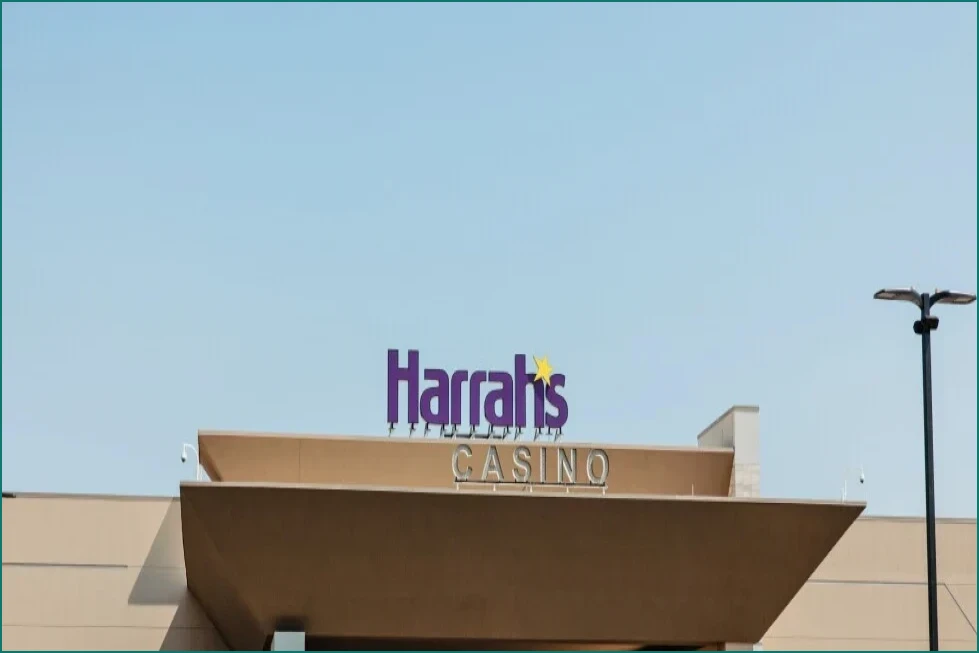
The real-world consequences of this regulatory standstill are already being felt on tribal lands. When the Iowa Tribe of Oklahoma opened its new 175,000-square-foot, Harrah’s-branded casino in Chandler, Oklahoma, in April, customers packed the gambling floor and cars spilled out of the parking lot. However, because the NIGC lacks a chairperson to approve management agreements, the tribe's plans to have Harrah’s parent company handle day-to-day operations have stalled.
Jacob Keyes, the chairman of the Iowa Tribe of Oklahoma, expressed frustration over the situation. While the Harrah's branding successfully drew in crowds, the tribe's small government staff has been forced to manage the massive casino themselves instead of outsourcing the work as planned. This has forced staff to balance daily casino operations with other vital responsibilities, such as preparing tribal budgets and overseeing social programs. Keyes noted that the tribe is paying a fee but not receiving the full value of its partnership.
The three-member gaming commission was established in 1988 to regulate casino-style gaming and foster economic development on tribal lands. Today, approximately 250 tribal governments across 29 states operate 545 gambling facilities. Tribal gaming brought in a record $46 billion in 2025, nearly triple the annual casino revenue of Nevada. These revenues are crucial for tribes, funding essential services like healthcare, housing, and education.
Former NIGC Chair Jonodev Chaudhuri, who served from 2013 to 2019 and is a citizen of the Muscogee (Creek) Nation, warned of the dangers of the current vacancy, stating that the commission is operating with one arm tied behind its back. He described the situation as a highly precarious position for tribal nations and the gaming industry as a whole.
Because federal law vests enforcement powers solely in the chairperson, the commission cannot issue citations or force the emergency closure of unsafe facilities. In a typical year, the commission issues multiple citations for violations such as operating on unauthorized lands, failing to submit financial statements, or misusing revenues. The commission's last enforcement action occurred on January 12, the same day the term of acting chairperson Sharon Avery expired. While Avery remains on the commission, no new enforcement actions can be taken.
Though the commission declined an interview, it stated in an email that tribal officials and field staff continue to provide excellent regulation despite the leadership gap. However, Steven Light, a tribal gambling law expert at the University of Nevada, Las Vegas, warned that the absence of enforcement powers could discourage investment and slow business growth by removing stability and certainty from the market.
This leadership vacuum coincides with the rapid expansion of online prediction markets like Kalshi and Polymarket, which allow users to wager on various event outcomes. Tribal leaders fear these platforms violate their sovereignty and siphon revenue from casinos. David Bean, chairman of the Indian Gaming Association and a Puyallup Tribe citizen, emphasized that every dollar generated by Indian gaming directly funds critical services for tribal members, including healthcare, education, and housing.
At least eight tribes have filed lawsuits against prediction market platforms, alleging they accept bets from tribal lands and states where tribes hold exclusive gambling rights, in violation of the Indian Gaming Regulatory Act. While prediction markets argue they engage in futures trading rather than gambling, the NIGC has remained silent on the issue. Joe Valandra, the commission's chief of staff from 2005 to 2007 and a Rosebud Sioux Tribe citizen, noted that the chairperson typically advocates for the industry in Washington but has been absent from federal discussions on regulating these platforms.
James Siva, leader of the California Nations Indian Gaming Association and vice chairman of the Morongo Band of Mission Indians, suggested that the Trump administration's ties to the prediction markets industry might explain the delay in filling the vacancy. He asserted that the timing of these events is not a coincidence.
The commission's last Senate-confirmed chairperson completed their term under former President Joe Biden without a successor in place. While a White House spokesperson called the commission a valued board, they did not provide a timeline for a new nomination. In April, Trump appointed Assistant Secretary for Indian Affairs Billy Kirkland, a Navajo Nation citizen, to the commission, raising concerns about potential executive branch influence over the independent agency. Shannon O'Loughlin, the commission's chief of staff from 2015 to 2017 and a Choctaw Nation of Oklahoma citizen, expressed discomfort with the appointment, stating it crosses an uncomfortable threshold.
For Keyes and the Iowa Tribe of Oklahoma, the vacancy represents a stalled opportunity to develop their economy. Keyes remarked that he does not view the vacancy as a partisan issue, but rather as part of a historical pattern where Native American issues are rarely prioritized by the federal government.