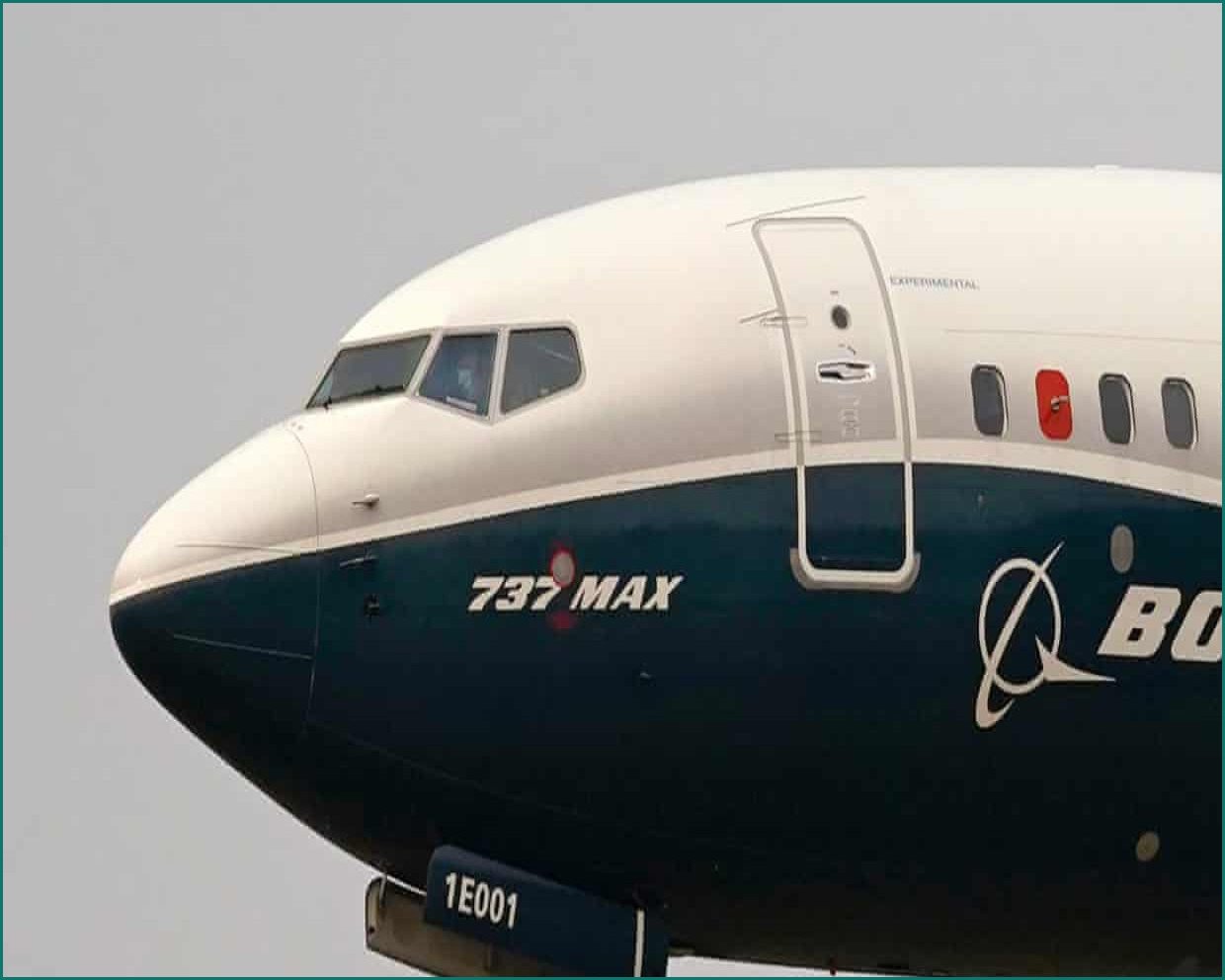
The Federal Aviation Administration (FAA) has issued an airworthiness directive requiring inspections of Boeing 737 Max fuselages to identify potential cracks. This regulatory action impacts approximately 471 aircraft and stems from concerns regarding structural components that have previously shown issues in older Boeing models.
Scheduled to commence in September, the inspections mirror a process established in 2021 for the 737 Next Generation fleet. During those earlier assessments, cracks were discovered in the “bear strap,” a component responsible for supporting the fuselage structure around the exit doors. While the FAA noted that no such cracks have been detected in the 737 Max to date, the agency stated that the model’s similar design and manufacturing processes make it susceptible to the same structural concerns.
The regulator warned that failing to address these potential defects could result in the inability of a primary structural element to sustain limit loads, thereby compromising the overall integrity of the aircraft. A spokesperson for Boeing confirmed that the company has been collaborating with airlines regarding this matter since 2019, when the issue was first identified. The company stated that it supports both the new directive and the previous requirements for the Next Generation fleet, noting that it remains committed to assisting its airline customers.
Boeing further explained that the mandatory inspections will provide multiple opportunities to detect and rectify problems before any cracks reach a critical length. The manufacturer is currently working on engineering changes to resolve the root cause of the issue. This development follows a period of heightened scrutiny regarding Boeing’s engineering and production standards, intensified by the 737 Max’s history of fatal crashes in 2018 and 2019, the 2024 Alaska Airlines mid-flight blowout, and subsequent production oversight by major customers like Ryanair.