Support for the annual United Nations General Assembly resolution calling on the United States to end its embargo against Cuba has fallen to its lowest point in over 30 years. Although the assembly passed the measure once again, only 130 countries voted in favor, while 17 voted against and 25 abstained. The outcome marks the weakest level of international backing for the resolution since 1995, down significantly from more than 160 supporting votes recorded last year.
Voting patterns shifted notably among key nations during Tuesday's session in New York. Germany, Italy, and Latvia abstained from the vote for the first time in 34 years. Meanwhile, several countries—including Colombia, Costa Rica, Ecuador, Morocco, Slovenia, and Bosnia—voted against the resolution, with many doing so for the first time.
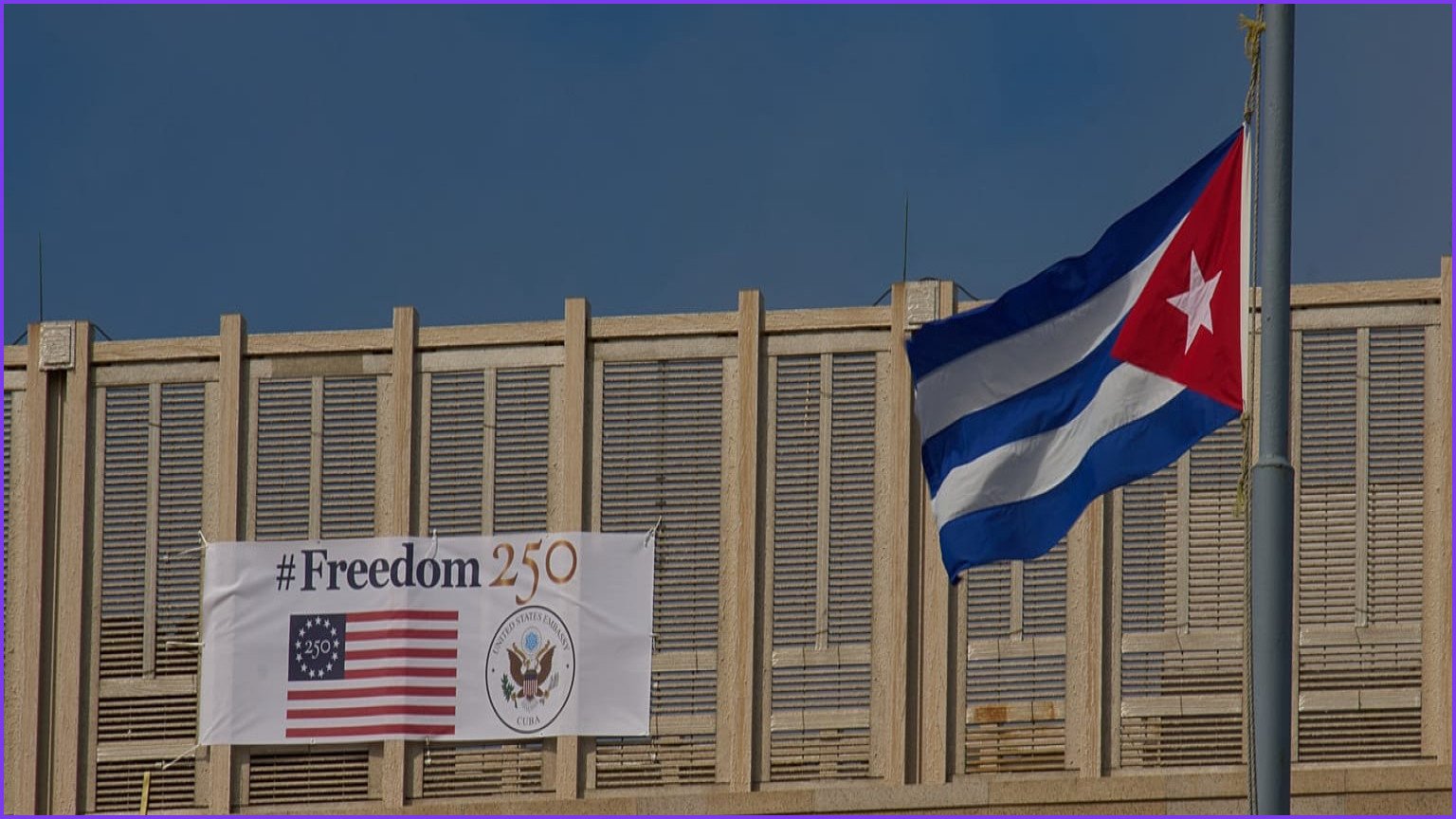
While the General Assembly resolution is not legally binding, it is widely regarded as a barometer of global political sentiment. It explicitly requests the lifting of the economic, trade, and financial embargo imposed on the Caribbean island nation. The restrictions trace back to 1960, initiated following Fidel Castro's revolution and the subsequent nationalization of American-owned property. Bilateral relations remain severely strained, fueled by a renewed pressure campaign from Washington that includes broad sanctions and targeted restrictions on oil deliveries.
Moments before delegates cast their votes, US Ambassador to the United Nations Mike Waltz rejected characterizations of the policy as a blockade. Waltz asserted that Cuba was not under a blockade and stated that "the plight of the Cuban people is exclusively the fault of this corrupt communist regime."
The voting session was marked by sharp diplomacy and tense direct confrontations. Cuban Foreign Minister Bruno Rodríguez accused the United States of orchestrating a diplomatic offensive to pressure foreign governments into altering their positions, claiming Washington seeks to "determine the nation's destiny" and "seize" its wealth. A heated confrontation erupted on the assembly floor between Rodríguez and Waltz, with the Cuban foreign minister approaching the US envoy to accuse him of lying, prompting Waltz to shout at him to step back.
Inside the hall, Waltz directed sharp criticism at senior Cuban leadership, accusing them of living lavish lifestyles while citizens endure severe material scarcity. The American ambassador displayed photographs of past and present Cuban leaders, including President Miguel Díaz-Canel, wearing luxury timepieces. In response, members of the Cuban delegation repeatedly banged on their desks to protest his speech.
Cuban President Miguel Díaz-Canel later denounced the US diplomatic strategy on social media platform X, charging Washington with employing "gangster-like coercion." He wrote that "the world has once again spoken out overwhelmingly against the blockade, even despite the most blatant pressure and blackmail from the US to change the course of this vote."
The vote comes against a backdrop of deep economic crisis in Cuba. In January, US President Donald Trump threatened to impose tariffs on foreign countries supplying fuel to the island. That move sharply reduced oil imports, exacerbating existing fuel shortfalls and sparking widespread blackouts along with disruptions to municipal water supplies, telephone networks, and internet infrastructure.