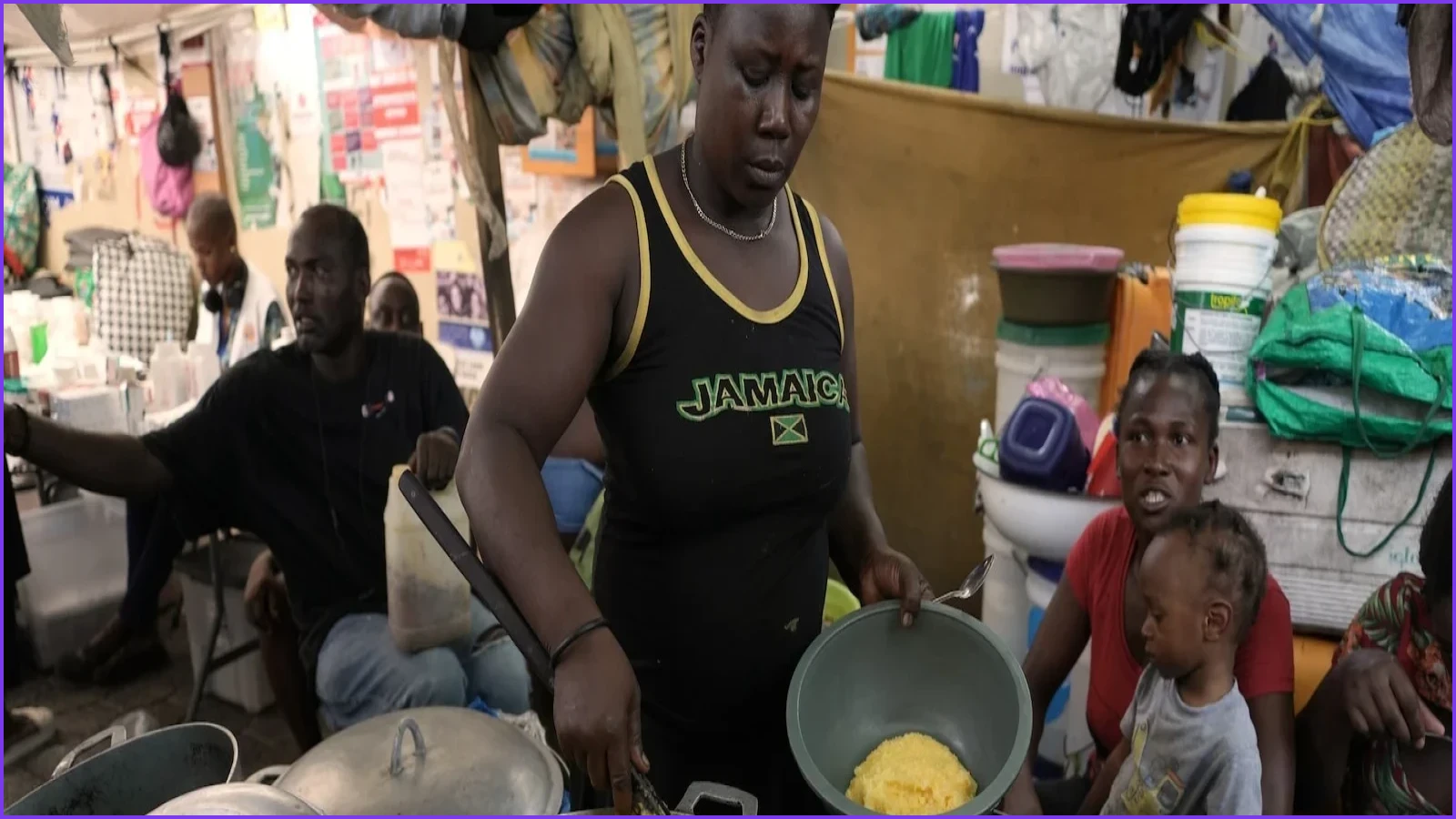
A new report released Wednesday indicates that nearly six million people in Haiti are currently experiencing severe hunger, with almost two million of those individuals facing emergency conditions. This worsening crisis in the Caribbean nation of nearly 12 million people is attributed to a surge in gang violence and displacement, combined with high food and fuel prices and an extreme El Niño weather phenomenon that is threatening food security.
According to the U.N.'s Food and Agriculture Organization, the 5.94 million Haitians currently enduring high levels of acute food insecurity represent one of the highest levels in the world today. The data, published Wednesday by the Integrated Food Security Phase Classification—a multi-partner U.N. initiative—indicates that more than half of the country's population struggles to secure food on a daily basis. Projections suggest that the number of people facing severe hunger will rise to 6.35 million by mid-2027.
This figure marks an increase of nearly a quarter of a million people since the initiative's previous report in April. Maxime Ngalula, country director for Action Against Hunger in Haiti, described the current statistics as "really, really alarming in comparison with other years." Many of those suffering live in makeshift shelters or communities under constant threat from heavily armed gangs engaged in conflicts with the Haitian National Police and a U.N.-backed suppression force.
The violence has created significant logistical hurdles. In central Haiti, farmers have been driven from their lands, while gangs have blocked primary roads leading to Port-au-Prince, preventing essential goods from reaching the capital and other areas. Ngalula noted that negotiations with gang members can delay food distribution for days, forcing some families to travel up to nine miles to reach aid sites. His organization continues to distribute cash and food, including rice and beans, but the situation remains difficult for those displaced multiple times by the violence. Ngalula stated that the current strategy involves attempting to follow and accompany these families as they move between shelters.
The current crisis is a sharp reversal from 2014, when only 2% of the population was food insecure. Factors such as the 2016 devastation caused by Hurricane Matthew and the subsequent rise in gang activity have exacerbated the situation. The U.N. World Food Program reports that it requires $78 million to sustain operations in Haiti through March, urging an immediate scale-up of humanitarian assistance.
Tensions have further spiked following an Oct. 18 attack in Port-au-Prince that left four Salvadorean aviation technicians missing, leading El Salvador to deploy more than 1,000 soldiers to the region. Davina Hayles, head of mission for Doctors Without Borders in Haiti, expressed deep concern regarding the surge in violence in densely populated neighborhoods, warning that the conflict could claim more victims and displace more people as additional international security forces arrive.