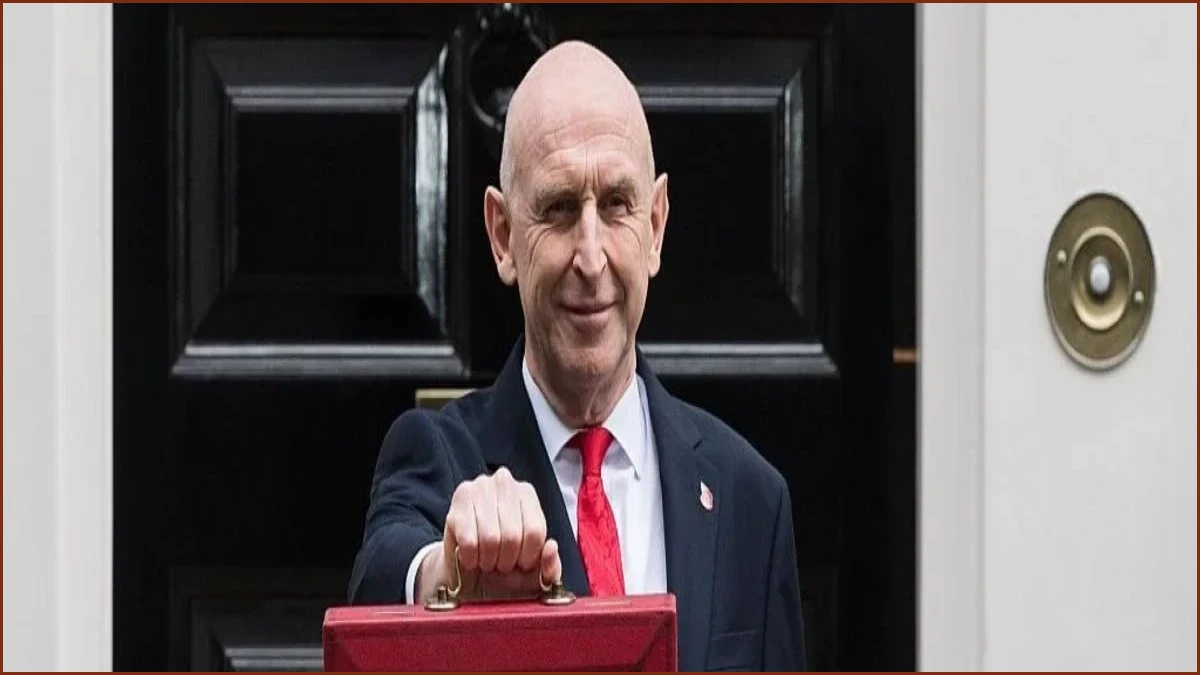
Chancellor John Healey presented his Budget on Wednesday, unveiling a package characterized as a flotilla of small measures aimed at navigating tight public finances. Westminster has begun sifting through the 150-page Red Book, which sets out the chancellor's policy decisions alongside their official price tags.
In total, the Red Book outlines 98 individual measures—a figure considerably higher than usual and exceeding the number contained in either of Rachel Reeves' previous budgets. But nearly all of them are pretty small in terms of their impact on the Treasury's spreadsheets. This dynamic highlights why Treasury officials involved in constructing the statement were irked by pre-Budget suggestions that the address would offer nothing of note, even as commentators making those predictions touched on a genuine underlying truth.
Firstly, as expected, it was a much smaller Budget in overall tax and spending terms than plenty of recent ones have been. But there were plenty of measures here and there which the chancellor will hope enough people notice and value – and others that some will likely curse.
To generate revenue without breaching Labour’s core pledge not to raise income tax, national insurance, or Value Added Tax (VAT)—the government’s primary income drivers—ministers were forced to seek funds elsewhere. Consequently, the Budget introduces higher tax burdens for banks, landlords, savers, gambling companies, and vape shops. Selecting specific sectors to bear tax increases carries clear political risks, as demonstrated previously when widespread anger erupted among farmers following inheritance tax changes championed by Rachel Reeves.
The economic backdrop facing Healey reflects a familiar set of deep-seated challenges. Both personal household finances and the nation's broader public finances remain severely strained. The fiscal watchdog highlighted this persistent pressure, noting with understatement that "the UK's economic and fiscal position remains very challenging," while pointing to "further adverse developments" this year linked to ongoing conflict in the Middle East.
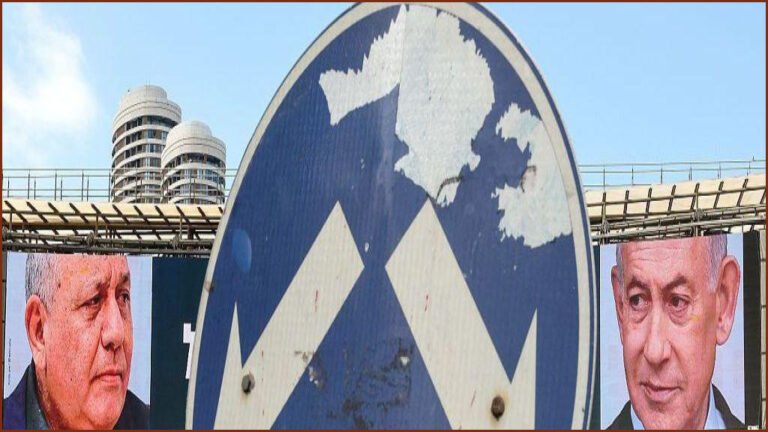
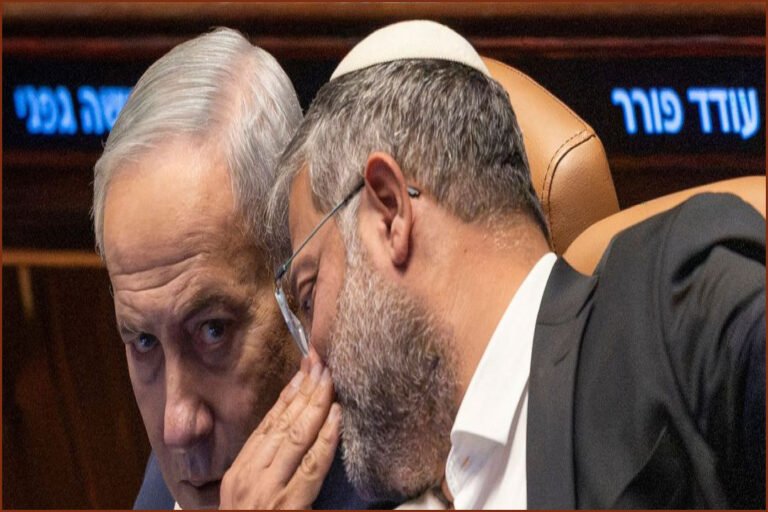
As for what happens next, well, frankly, who on earth knows. Or, as the OBR puts it: "The outlook for the economy and the public finances is uncertain, with significantly better or worse outcomes of broadly equal probability." While the Budget document maintains that "the UK economy is showing signs of resilience," key metrics present a difficult reality: national debt, the overall tax burden, inflation, and interest rates remain high, are rising, or both. Officials recognize that additional external economic shocks could further exacerbate conditions, particularly depending on Middle East developments following the US mid-term elections and the outcome of the Israeli general election.
Under these constraints, the chancellor faced limited room for maneuver, restricting his ability to deliver dramatic positive change. Even costly policy interventions may serve only to make a grim economic environment slightly less difficult, rather than producing a tangible sense of financial improvement. While mitigating adverse economic impacts remains a practical policy objective, it requires substantial funding while offering minimal political return.
Rather than sweeping structural overhauls, the government opted for a fleet of smaller policy shifts designed to give Labour MPs tangible points to defend locally, even while recognizing that these measures are not transformative on a global scale. Polling analysis suggests this approach could prove politically effective. Luke Tryl, UK Director of the More in Common think tank, observed that "the softly populist tone of this budget is likely to land well with the public. The Chancellor targeted groups the public have little sympathy with – banks, landlords, gambling companies and vape shops – and turned it into cost-of-living support, rate relief for small businesses and ensuring the state pension isn't taxed." Tryl added that "by offering support to all of those on Council Tax bands A to D, he is able to reassure them that the government will support them too."
Opposition parties across the political spectrum offered a united critique, framing the Budget as thin on substance. However, government officials countered that the fiscal package represents just one component within a broader policy plan taking shape under the prime minister and his chancellor. Ministers highlighted upcoming initiatives, including a proposal to support young people into employment and reduce benefits spending before Christmas, alongside a broader vision for the UK's long-term relationship with the European Union and a 10-year strategic plan presented by Andy Burnham.
Ultimately, the statement delivered on Wednesday reflected a cautious approach to governance. One critical friend of the government described the presentation as a "Mr Sensible Budget," expressing hope and expectation that while it lacked dramatic flair, it was equally free of economic or political timebombs.
Live: Healey announces £100 energy bill help for millions and raises taxes on banks
Your pay, energy bills and savings: How the Budget affects you