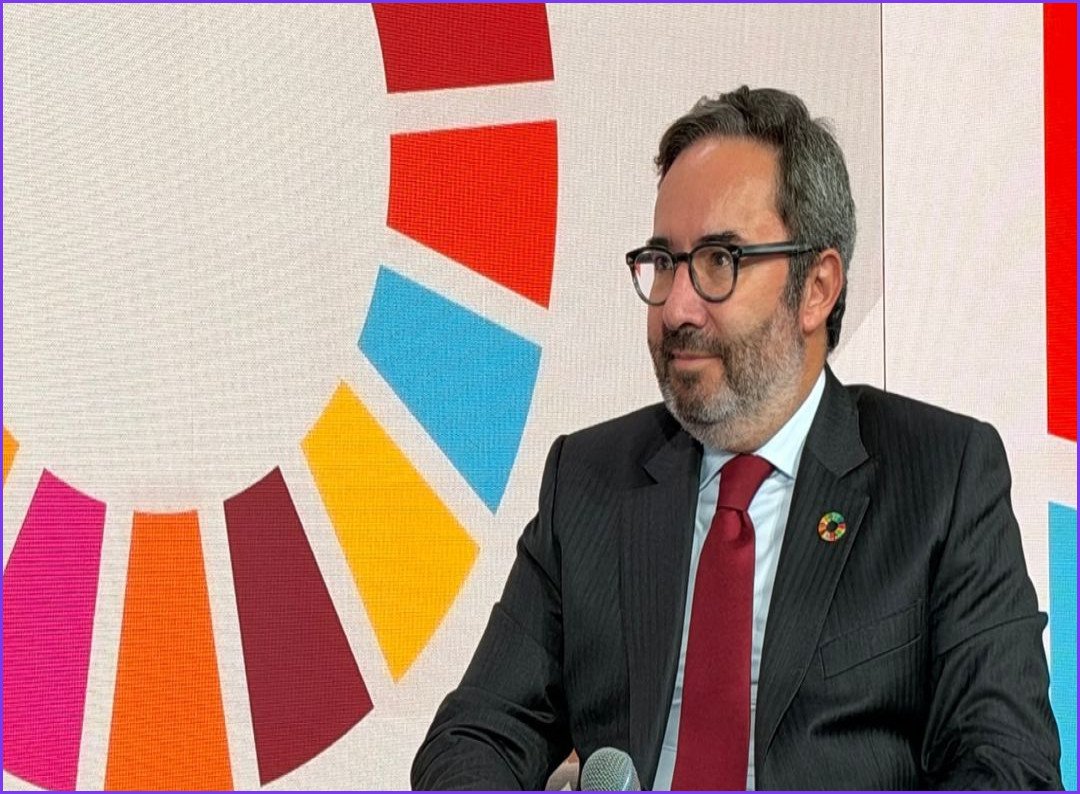
A senior United Nations official has issued a stark warning regarding the simultaneous disruption of three critical maritime corridors, cautioning that these bottlenecks pose a severe threat to global food and energy security. Jorge Moreira da Silva, Executive Director of the United Nations Office for Project Services (UNOPS) and coordinator of the UN Strait of Hormuz Task Force, stated that the concurrent issues in the Red Sea, the Black Sea, and the Strait of Hormuz are creating a widespread impact on the transit of essential commodities worldwide.
Speaking during an exclusive interview at the UN headquarters in New York, da Silva emphasized the gravity of the situation, particularly concerning the Strait of Hormuz. He cited assessments from agencies such as the World Food Programme, noting that the combined blockade by the US and Iran in that region alone could push as many as 45 million people into acute food insecurity. Da Silva expressed hope that world leaders convening for the 81st UN General Assembly would prioritize diplomatic efforts to address these crises, stating, "If you bring the situation in the Black Sea and if you bring the Red Sea, which is obviously a drastic context, it is a really global crisis."
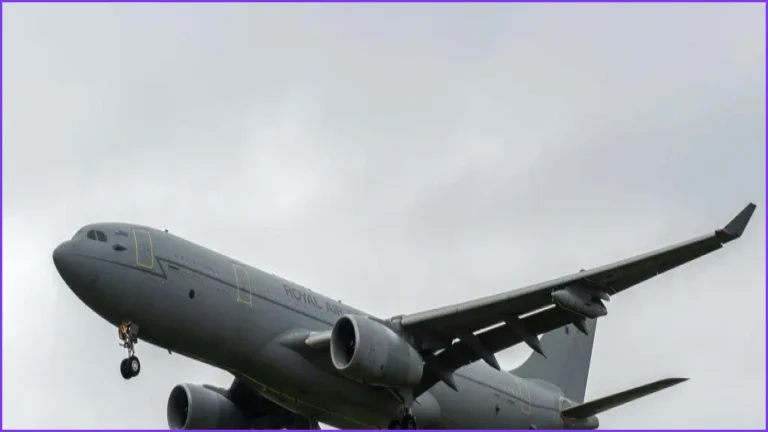
The current maritime instability stems from multiple geopolitical conflicts. Since February 28, large-scale hostilities between US and Israeli forces and Iran have involved strikes on military infrastructure and mutual naval blockades in the Strait of Hormuz. While Pakistan and Qatar have engaged in mediation efforts, peace talks have largely stalled following an April truce and a June pact. Meanwhile, the Red Sea has become a volatile route due to Houthi control of the Bab al Mandab Strait, further complicating energy transport. In the Black Sea, escalating long-range strikes between Russia and Ukraine continue to threaten civilian sites, energy infrastructure, and vessels.
Drawing parallels to the global fallout of the Covid-19 pandemic, da Silva stressed that these supply chain disruptions disproportionately impact the world's most vulnerable populations. "We have learned from previous crises that even when the crises are global, like it happened with the pandemic, it always affects the poorest, the most vulnerable within and between countries," he said. He highlighted the importance of diplomatic dialogue and de-escalation to protect at-risk communities.
While da Silva remains in communication with Iranian and American officials regarding the situation at the Strait of Hormuz, he clarified that he is not involved in negotiations with Yemen's Houthis. He reiterated his focus, stating, "I'm not part of that. I'm leading the negotiation on the Strait of Hormuz only." He remains hopeful that Secretary-General Antonio Guterres’ vocal stance on the issue will spur necessary international diplomatic action.