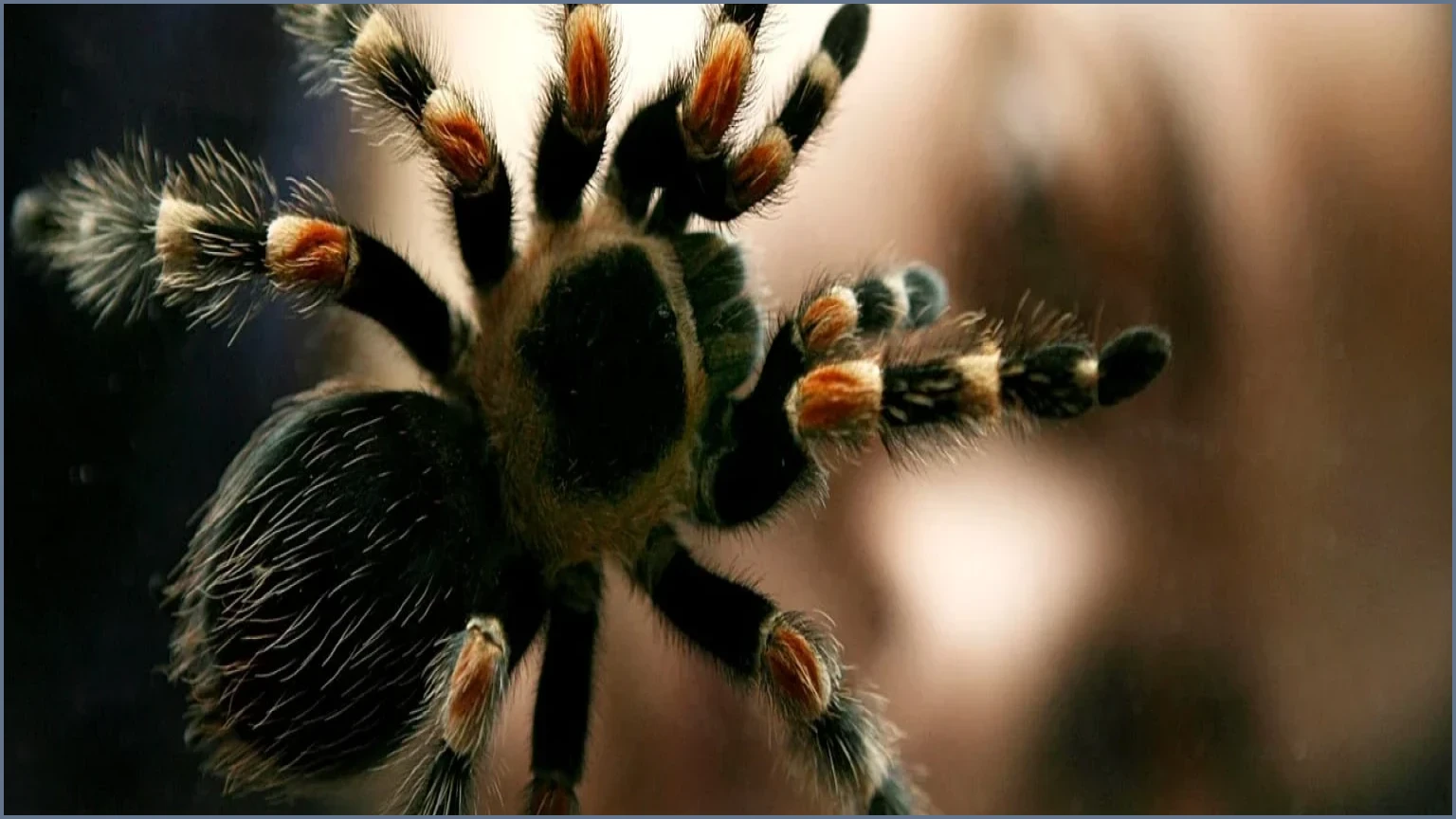
Austria has experienced a surge in tarantula sightings over the past two months, with more than 200 cases reported since the beginning of September. According to the citizen science platform naturbeobachtung.at, experts have successfully confirmed 175 of these entries.
The state of Styria in southeastern Austria leads the country in reported sightings with 66 cases, followed by Lower Austria with 49 and Burgenland with 43. Additional sightings have also been logged in Carinthia. Researchers note that tarantulas are particularly active during the autumn as they search for sheltered environments, such as garages, houses, or flats, to spend the winter, though they typically inhabit underground burrows and rock crevices in their natural habitat.
Several recent discoveries have caught the attention of researchers. A South Russian tarantula was documented in Tulln, Lower Austria, representing an unusually far northwestern sighting for the species. Carolina Trcka-Rojas of the Austrian Nature Conservation Association noted there were no previous reports in that surrounding region. Additionally, a black-bellied tarantula was spotted in Stossau in the lower Gail valley at the end of August, marking the westernmost record for that species in Austria to date.
Austria is home to two primary tarantula species: the South Russian tarantula, first recorded in the country in the early 1920s around Vienna and Lake Neusiedl, and the black-bellied tarantula, which was first documented in Styria in the 1970s. Both belong to the wolf spider family and are capable of biting if they feel threatened, though such encounters are rare. While a bite can be painful and may cause redness and swelling, it is generally not considered dangerous for healthy individuals.
This trend is not isolated to Austria. A 2025 study indicated that tarantula populations are also expanding in Czechia, reversing a decades-long decline, with researchers identifying warmer and drier summers as a key factor in the shift.