Gunther von Hagens, the German anatomist renowned for inventing the plastination technique and creating the globally recognized Body Worlds exhibitions, has died at the age of 81. In line with his long-expressed wish, his body is set to be plastinated, a spokesperson confirmed.
Dr. von Hagens passed away on July 24 in a hospital in Heidelberg, following a cerebral haemorrhage suffered the previous day. His family and the Institute for Plastination announced his death on Monday, stating, "It is with deep sadness that the family and the Institute for Plastination announce the passing of Dr Gunther von Hagens, inventor of plastination and creator of the Body Worlds exhibitions." He had been diagnosed with Parkinson’s disease in 2008.
The controversial anatomist frequently voiced his desire for his own body to be preserved after death, though he had contemplated various forms of display. In 2018, he wrote, "I could envisage my plastinated body standing in a welcoming pose at the entrance of an exhibition, or rendered into slices and distributed across various sites." On Monday, a spokesperson for the Plastinarium, a museum von Hagens founded in Guben, Germany, in 2006, affirmed that his body "will definitely be plastinated, as this was always a long-held wish of his," though the specific location for its display remains undecided.
Von Hagens developed his unique preservation method, plastination, in 1977 while working as a research scientist at the University of Heidelberg’s institute of pathology and anatomy. He recalled his inspiration, noting, "Looking at specimens embedded in plastic – the most advanced preservation technique then available – I wondered why the plastic was poured around bodies rather than into them." The technique involves replacing bodily fluids and soluble fat with resins, silicon rubbers, and epoxies, granting tissues a high degree of rigidity that allows bodies to be presented in upright, lifelike poses.
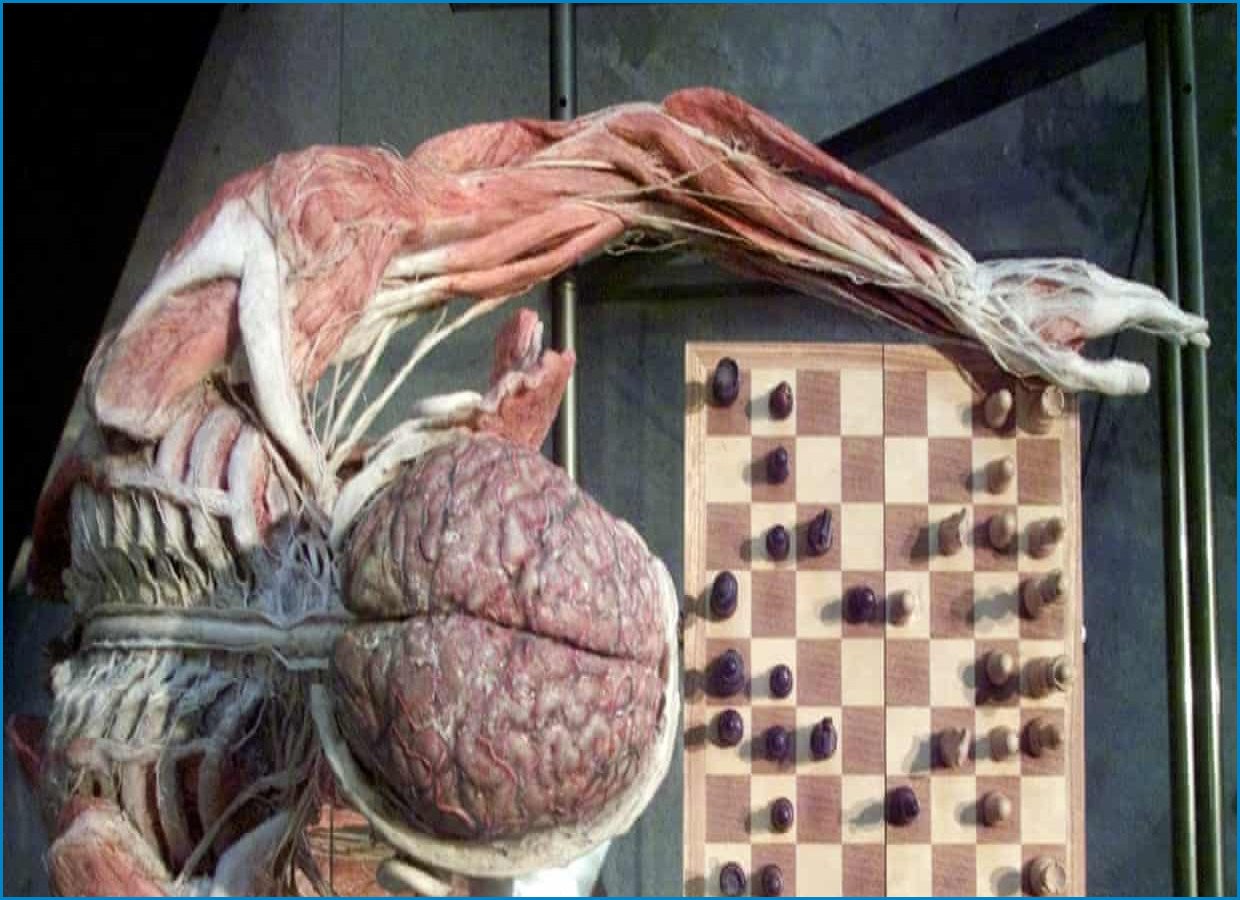
Starting in 1995, von Hagens’ plastinated bodies became the centerpiece of his traveling Body Worlds exhibitions. These displays, which attracted over 50 million visitors worldwide, featured bodies in various states: some meticulously sliced to reveal internal organs, others posed engaging in activities like playing chess, exercising, or even having sex.
Von Hagens curated these shows alongside his second wife, Angelina Whalley, driven by a stated ambition to "democratise anatomy" and challenge societal taboos surrounding death. However, the exhibitions often drew criticism, with many observers feeling they deliberately aimed to titillate audiences, particularly through exhibits such as a series of foetal specimens at different stages of gestation.
Despite the moral questions raised by the use of infant and animal bodies, von Hagens maintained that all human bodies displayed were from individuals who had explicitly authorized their post-mortem use for educational purposes. His distinctive public image, often seen in a fedora and leather vest, was described by one review as "a cross between evil scientist and the television cliche of ghoulish murder-scene pathologist," a persona that perhaps did little to allay concerns about his motives.
Born Gunther Gerhard Liebchen in January 1945 in Skalmierzyce, Poland (then known as Alt-Skalden under German occupation), von Hagens grew up in socialist East Germany. He became involved in protests against the Soviet suppression of the Prague Spring in 1968 and was subsequently imprisoned in 1969 after an attempt to escape to the west. In 1970, West Germany secured his release as a political prisoner, paying 40,000 deutschmarks. It was in the west that he met his first wife, Cornelia von Hagens, whose surname he adopted, embracing its connotations of nobility.
In his later years, as Parkinson’s disease progressed, causing reduced motor skills and limited speech, von Hagens transferred his organizational and financial responsibilities to his wife, Angelina Whalley, and his son, Rurik. Reflecting on his mortality in 2018, he wrote, "Sometimes, at this stage of my life and illness, I wish I could suspend my convictions and embrace the idea of a divinity and an afterlife. But I don’t think there is a continuum beyond death. Every deceased body I have seen has shown me the absence of the soul. I don’t believe anything is left of us after we die."