France’s state-owned energy giant, EDF, has temporarily suspended operations at three of its nuclear reactors this Sunday as the nation grapples with a persistent heatwave. The company warned that an additional seven reactors may also need to adjust their power output in the coming days to comply with environmental regulations.
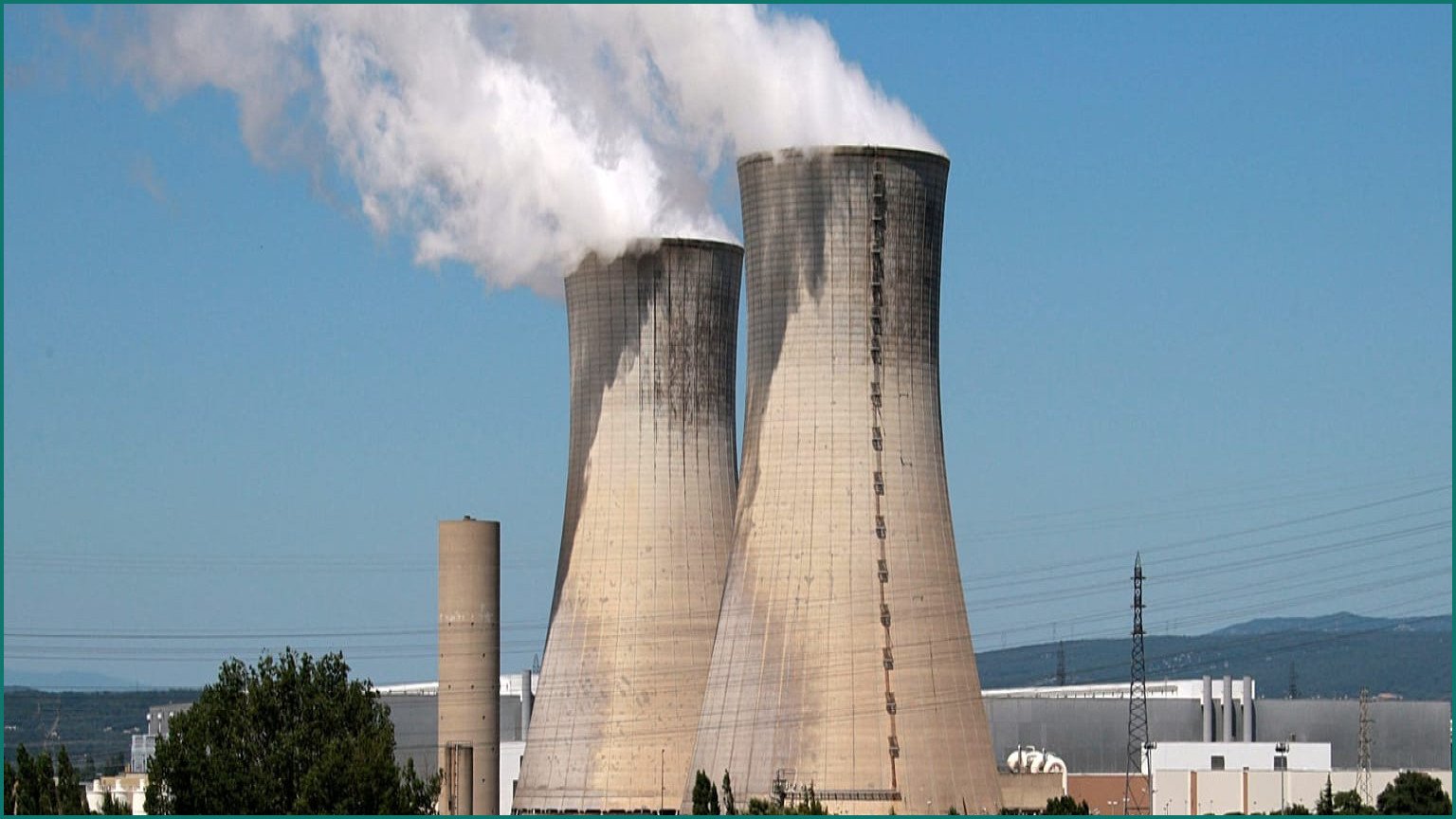
These shutdowns are intended to prevent the discharge of excessively warm water into rivers that are already seeing rising temperatures due to the extreme heat. Nuclear facilities typically rely on river water for cooling purposes before returning the warmed liquid to the source, and strict operational limits are currently in place to protect aquatic flora and fauna. An EDF spokesperson emphasized that there is no risk to nuclear safety, noting that the reactors are fully capable of operating under high-temperature conditions.
The three reactors currently offline are Unit 2 at Golfech, which has a capacity of 1,300 MW; Unit 3 at Bugey, at 900 MW; and Unit 2 at Chooz, at 1,450 MW. Together, these units represent 3.65GW of capacity, or approximately 6% of France’s total 61GW installed nuclear fleet. EDF stated that while these reactors are offline, the remaining fleet is able to optimize generation within regulatory constraints. The duration of these environmental outages will be determined by shifting weather forecasts.
To support grid security, the French economy ministry granted a temporary exemption on Saturday regarding temperature limits for the Rhône river near the Bugey plant, an order that remains valid until 20 July. This current heatwave is the third to strike France since May, with more than one-third of the country placed under the national weather service's highest heat alert as of Sunday.
This marks the second time in recent weeks that EDF has been forced to halt reactors due to high temperatures, following a similar event in June. Despite these disruptions, the company maintains that the impact of climate-related events on overall generation remains minimal, noting that production losses due to river temperature and flow issues have averaged just 0.3% of annual output since 2000.
Looking toward the future, EDF has committed to an €8.7 billion adaptation plan over the next 15 years to bolster the resilience of its nuclear, hydropower, and island energy operations. Potential technical solutions include cooling water discharged from cooling towers, a system already in use at the Civaux Nuclear Power Plant. Furthermore, the company is refining its flood management and infrastructure preparedness to better withstand the consequences of a changing climate.