A combination of climate extremes, including record-breaking heat, prolonged drought, and historically low snowpack, has created a volatile environment for wildfire seasons in both the United States and Canada. Experts warn that these conditions have converged to fuel one of the most intense periods of fire activity in a decade, exposing millions of people to harmful smoke and pollution. On Thursday, more than 100 wildfires were raging in Canada, with strong winds carrying smoke across the Upper Midwest and northeastern U.S. Additionally, large fires in Minnesota contributed to the poor air quality affecting millions of people.
In the United States, the National Interagency Fire Center reports that nearly 40,000 fires have scorched more than 3.6 million acres since the beginning of 2026. This total includes half a million acres burned within the last two weeks alone. These figures are significantly higher than the 10-year average for mid-July, representing an increase of nearly 10,000 fires and approximately one million more acres burned. The center noted in a new advisory that current fire activity is already mirroring conditions typically not observed until much later in the season.
The American West has been particularly hard hit, with Colorado and Utah experiencing some of the most severe conditions. At the end of June, the Knowles Fire along the border of these two states resulted in the tragic deaths of three firefighters and injuries to two others. Currently, 48 large wildfires are active nationwide, with 10 concentrated in Colorado and Utah, while others remain scattered across Arizona, California, Idaho, Nevada, New Mexico, Oregon, and Washington state.
Across the border, Canada has also faced a challenging season. Around 3,500 Canadian fires have enveloped about 2.3 million acres of land this year. While this statistic is roughly on par with the country's 10-year average for mid-July, it is lower than the 5-year average, which is twice as high following recent extreme fire seasons. Canadian officials have explicitly linked these shifting patterns of warmth, snowpack, and drought to human-caused climate change.
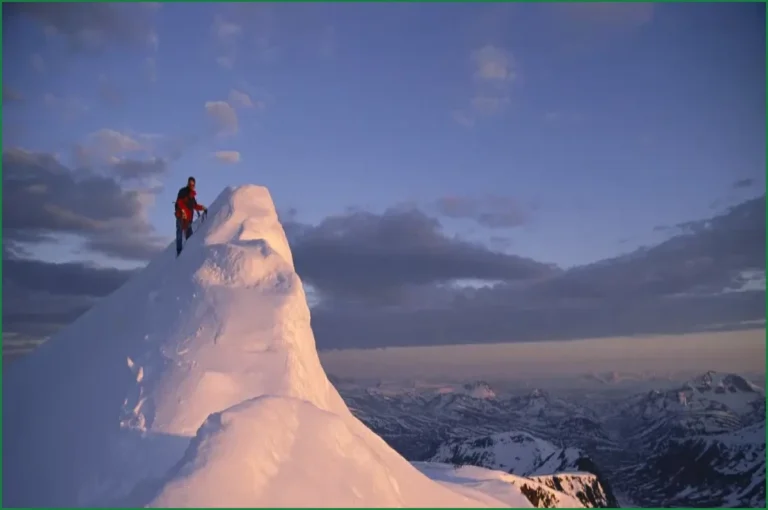
Experts point to a "perfect storm" of conditions that have primed the landscape for ignition. Jon Meyer, Utah's assistant state climatologist, noted that everything from fuel conditions to weather and climate has converged to drive this intensity. A major contributor is the "snow drought" that saw record-low snowpack across the Rockies and Cascades. Dan McEvoy, a researcher at the Nevada-based Western Regional Climate Center, stated that 2026 snowpack levels in Colorado and Utah were "the worst ever seen in some cases" going back 50 to 75 years. This lack of snowpack led to premature melting, which gave the terrain an extra month to dry out before the fire season even began. A similar decades-long downturn in snowpack has been observed across the northern band of Canada.
Stanford University climate scientist Noah Diffenbaugh cited research suggesting that roughly half of the long-term increase in burned acreage across the western U.S. is attributable to climate change, meaning that without it, the total acreage burned would be about 50% of what it has been. He explained that higher temperatures increase wildfire risk by affecting both snowpack and atmospheric moisture demand. While forest management also plays a role, experts like Tim Brown observe that climate change acts as an enabler for fires, while daily weather patterns serve as the driver. Brown also noted that the West is experiencing "hotter droughts" than in the past due to rising temperatures.
The Canadian Climate Institute has noted that fire seasons are starting earlier and lasting longer, becoming harder to contain and even smoldering through the winter as "zombie fires." The institute highlights how climate change worsens these threats and may multiply the likelihood of extreme fire weather several times over. Meyer described these broader consequences as "loading the dice" for harsher fires in any given year.
The outlook for the remainder of the year remains concerning. The National Interagency Fire Center expects above-normal wildfire risk to persist across most of the West into the fall. McEvoy anticipates the fire risk will shift north as summer progresses, with high potential in Northern California, Oregon, Washington, and the Northern Rockies during August and September. Scientists also warn that the region has yet to encounter the dangerous autumn winds, such as the Diablo and Santa Ana, which historically drive some of the most destructive fires of the year. As Diffenbaugh noted, "There's still months to go."