The European Commission is preparing a strategic push to electrify the European economy by 2040, a move projected to save approximately €200 billion in fossil fuel import costs. According to an internal document reviewed by Euronews, this initiative aims to significantly reduce both greenhouse gas emissions and the bloc’s overall demand for fossil fuels. The urgency of this transition is underscored by recent geopolitical instability in the Middle East, which has exacerbated the energy crisis initiated in 2022. Notably, the EU spent an additional €50 billion on fossil fuel imports in just 111 days following the disruption of oil and gas supplies from the Strait of Hormuz after 28 February.
Central to the Commission’s upcoming Energy Union package is a proposal to enshrine an electrification target for final energy consumption into law. To support this, Brussels plans to reform public procurement rules, potentially mandating the use of heat pumps in public buildings. Geothermal energy is highlighted as a critical, underutilised resource that could cost-effectively meet at least 1% of the continent’s electricity needs and 25% of its heating and cooling demand. Sanjeev Kumar of the European Geothermal Energy Council welcomed the potential mandate, describing geothermal solutions as a reliable and abundant energy source that acts as a near “silver bullet” for heating and cooling networks.
Despite having a supply side that is already 70% powered by clean sources, the EU faces significant barriers to scaling demand. Electricity remains consistently more expensive than gas across most member states, while high upfront costs for technologies like solar panels and heat pumps continue to deter households and businesses. Furthermore, grid congestion and connection delays are hindering investment, creating a challenge that Brussels estimates will require trillions in funding. The Commission warns that without addressing these issues, the EU risks lagging behind Asian economies, where electrification rates have already surpassed 30%, compared to the EU’s stagnant 23% rate over the last decade.
To overcome these hurdles, the Commission intends to increase energy storage capacity from 55 GW in 2026 to 200 GW by 2030. Proposed legislation will also focus on restructuring electricity bills by reducing taxes and levies, aiming to lower electricity-to-gas price ratios to make electric alternatives more competitive. The goal is for households to pay no more than 2.5 times the price of gas for electricity, and for industrial consumers to pay no more than twice the cost. Currently, only Sweden and Finland meet these thresholds.
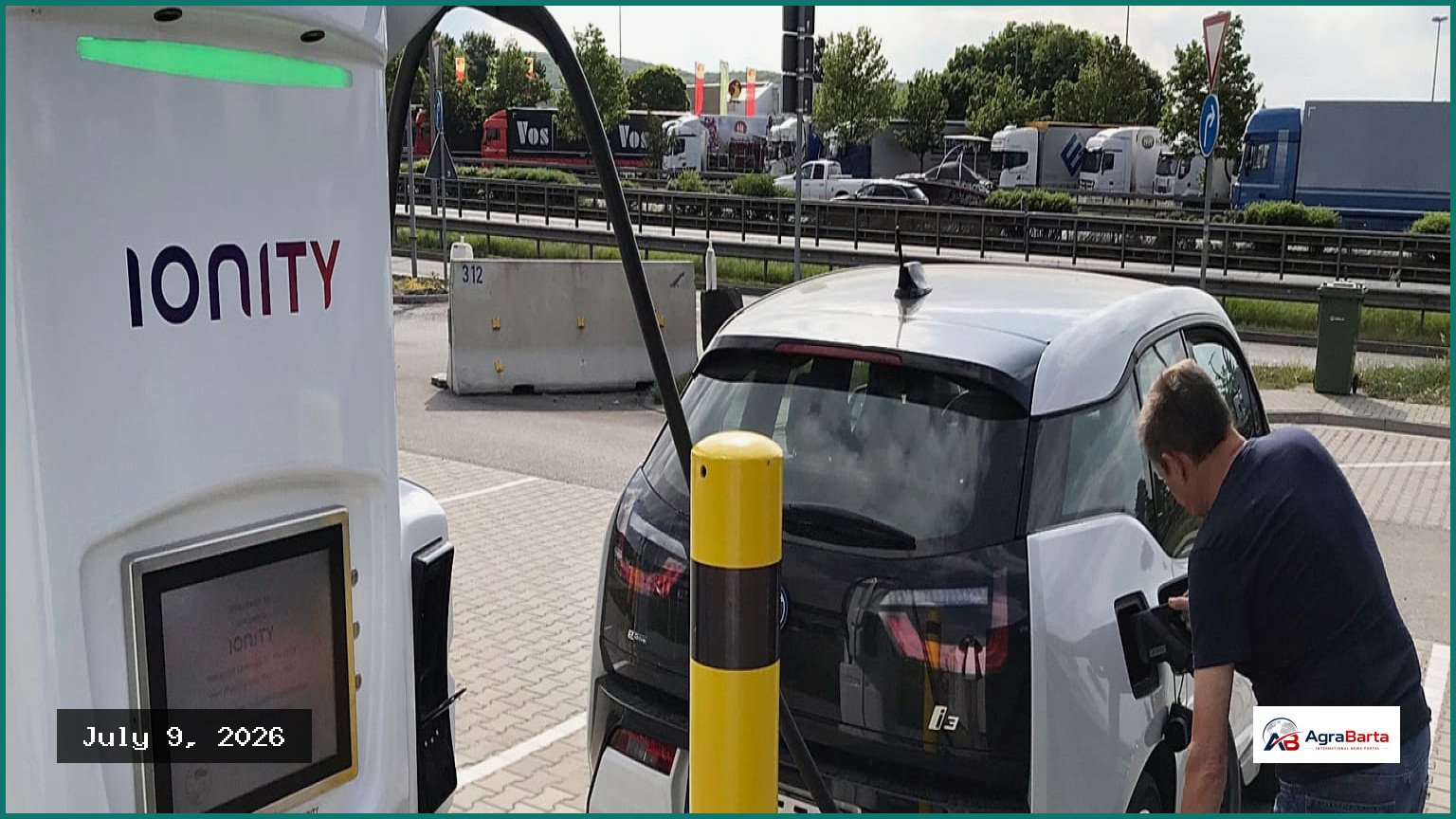
Industrial decarbonization will be supported by an expanded Emissions Trading System and a proposed €100 billion “Industrial Decarbonisation Bank,” alongside new incentives for waste heat recovery. For the transport sector, the Commission plans to boost electric vehicle adoption through tax incentives, expanded infrastructure, and support for heavy-duty electric trucks. Meanwhile, building efficiency will be bolstered through VAT reductions and procurement reforms.
While Seda Orhan of the Climate Action Network Europe praised the plan as “stronger than expected,” she emphasized the need for binding post-2030 targets and a stronger focus on energy poverty. The success of these reforms remains subject to complex political negotiations among member states, particularly regarding the phase-out of fossil fuel subsidies and the restructuring of national energy pricing. Oxford professor Jan Rosenow noted that the plan’s ultimate success hinges on whether it forces a genuine change in pace rather than merely reflecting the status quo, and whether it effectively rebalances the tax burdens that keep electricity prices high.
Greater investment in district heating and cooling networks — shared systems that deliver heating or cooling to many buildings from a central source — is also foreseen, given its potential to reduce the burden on the electricity grid. However, logistical decisions are primarily made by national and local governments, with high upfront costs involved.
Nonetheless, the Commission's electrification plan will depend on politically sensitive reforms, including removing fossil fuel subsidies, restructuring electricity pricing and persuading EU countries to invest heavily in grids, storage and public support schemes — a task already proving challenging.