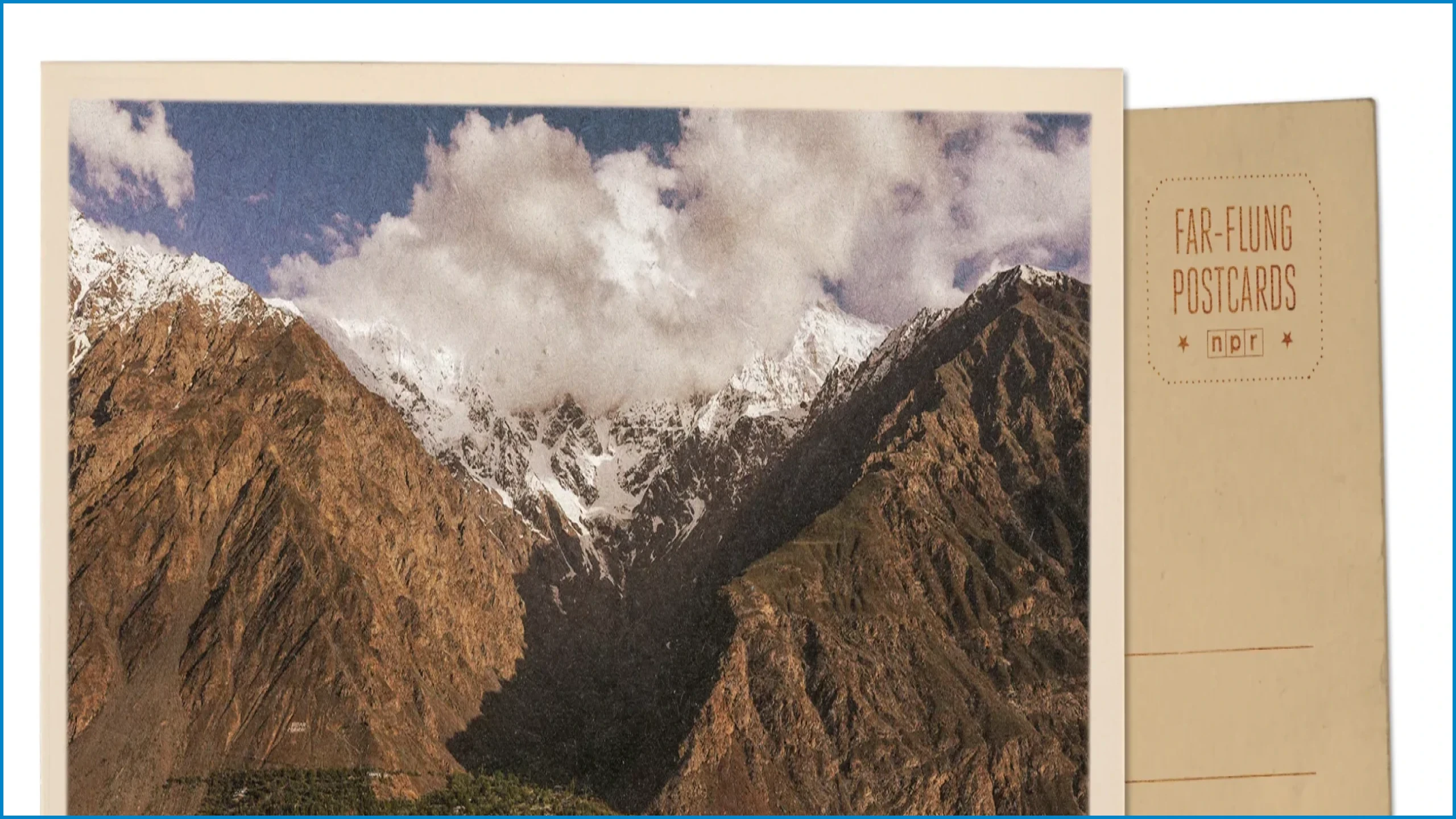
The raw, rugged landscape of Pakistan's northern mountain regions serves as a major draw for adventure travelers, with high-elevation passes frequently appearing on social media feeds. These journeys often involve navigating some of the world's most perilous roads, where travel can be halted for hours as crews clear rockslides from the highways. During a recent reporting trip earlier this summer, one instance of such infrastructure challenges involved waiting at a safe distance while a large boulder blocking the path was cleared using dynamite.
For those traveling through Chitral, a district nestled within the Hindu Kush range, the intensity of the elements and the limited infrastructure create a sense of grand adventure. The region currently lacks flight access, leaving residents and visitors entirely reliant on road networks that can become impassable during the heavy snows of winter. Despite these obstacles, the area is home to a resilient population, including local reporting partner Siraj Uddin, who manage the realities of frequent floods, landslides, and avalanches with a matter-of-fact approach. Living in this environment requires finding ways to adapt and carry on, a perspective that became clear during a long day of travel through Upper Chitral.
The rawness of Pakistan's mountain regions is one of their main selling points. High-elevation passes feature on Instagram pages of adventure travel influencers, who promote their journeys along some of the world's most dangerous roads. Jeeps and buses can get stalled for hours while workers clear rockslides that clog entire stretches of highway. During one of my trips to the mountains, we had to wait at a safe distance while a boulder blocking the road was blown up with dynamite.
For more Far-Flung Postcards, click here.