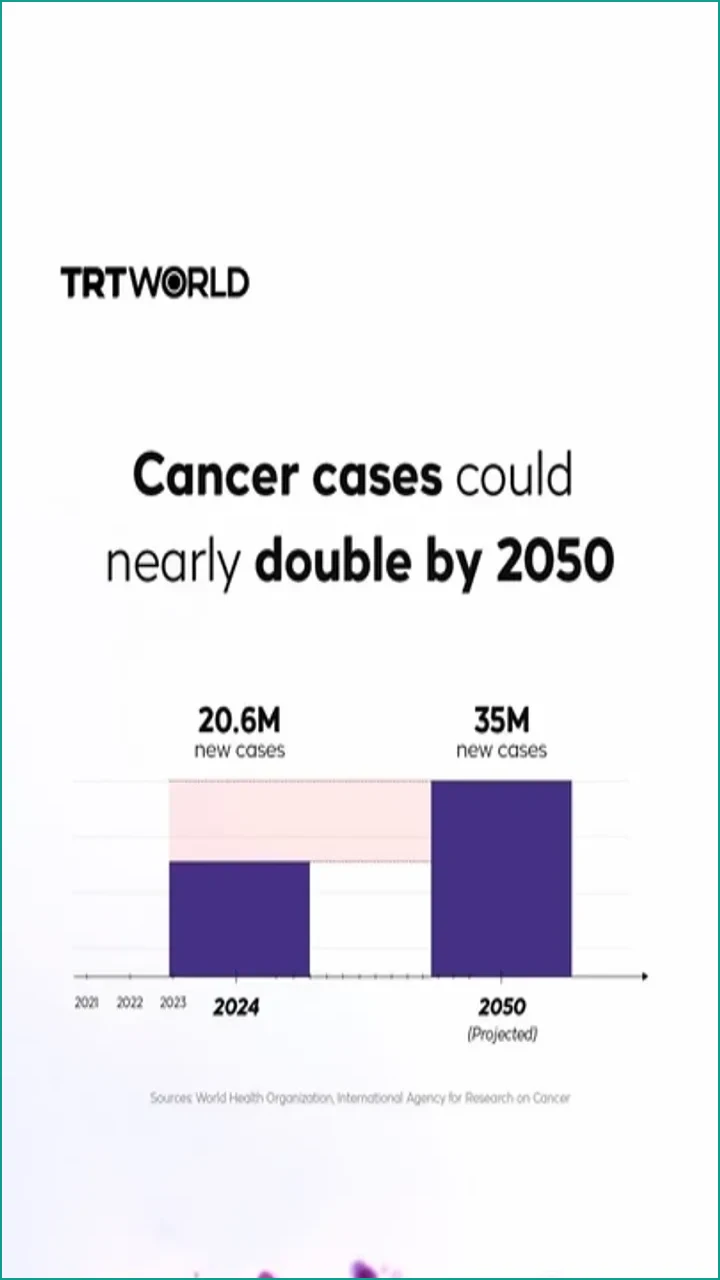
Global cancer diagnoses could surge to nearly 35 million per year by 2050, the World Health Organization (WHO) has warned. The organization stressed that this projection serves as a call to action for governments to prioritize stronger prevention strategies, broaden access to medical care, and tackle the widening gap in health inequalities worldwide.
The findings, detailed in the Global Status Report on Cancer 2026, were developed in collaboration with the International Agency for Research on Cancer. The report identifies cancer as the second leading cause of mortality globally, trailing only cardiovascular disease. Currently, the disease claims approximately 10 million lives annually, equating to more than 26,000 deaths every day.
Health experts highlighted a growing disparity in how cancer is managed across different regions. Access to essential services—including prevention, early diagnosis, treatment, and supportive care—varies sharply between nations. Consequently, survival rates remain significantly lower in low-income countries compared to wealthier nations.
The impact of the disease is widespread, with the WHO noting that 92% of people are expected to be affected by cancer during their lifetime, either through a personal diagnosis or that of a close family member. Addressing these systemic failures, WHO Director-General Dr. Tedros Adhanom Ghebreyesus stated, "Whether a person survives cancer should never depend on where they were born or what they earn."