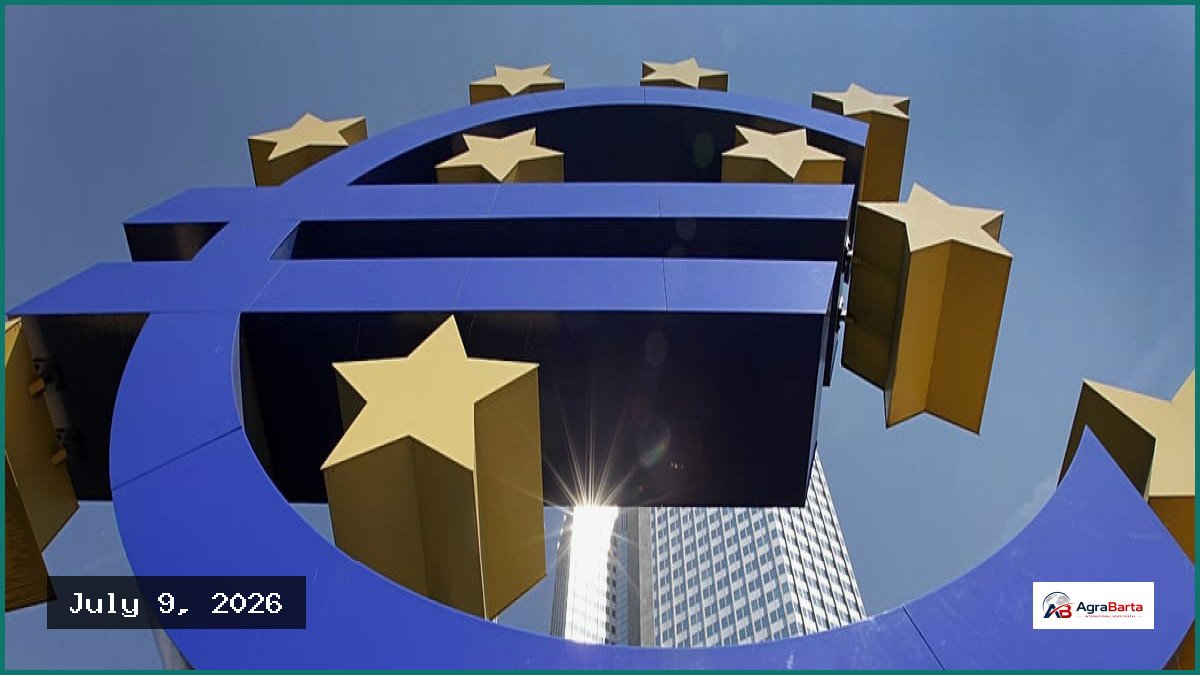
European lawmakers have officially confirmed their negotiating position regarding the digital euro following a vote held in Strasbourg on Thursday. This milestone marks the transition to the next phase of the process, where EU representatives will begin formal discussions with member state governments to determine the functional framework of the new currency.
The digital euro is designed as an electronic version of central bank money that would be issued and backed by the European Central Bank (ECB). Officials emphasize that the project is intended to complement existing cash and banking services rather than serve as a replacement for them. Under the current proposal, consumers would utilize a dedicated wallet to hold their digital euros, though a specific holding limit remains to be established.
Insiders involved in the discussions suggest that the most complex challenge ahead is reaching an agreement on the compensation model. This involves critical decisions regarding which financial institutions should receive compensation, the total amount of those payments, and the specific mechanics for how services related to the digital euro will be funded. Furthermore, negotiators are tasked with determining how fees will be distributed across the broader payment chain, with the expectation that merchants will benefit from lower fees compared to current card transaction costs.
The timeline for the project is accelerating, with the most intensive rounds of negotiation anticipated this coming autumn. Stakeholders expect to reach final approval by the end of the year. Following a planned pilot programme scheduled to commence in 2027, the digital euro is projected to be available for retail payments by 2029.
According to three sources involved in the negotiations, the most delicate issue will be agreeing on the "compensation model".
Another key issue in the negotiations is how fees will be shared across the payment chain. Merchants are expected to pay lower fees than they currently do for card transactions.