Austria is grappling with an extraordinary combination of a record-breaking drought and exceptionally warm Mediterranean Sea temperatures, raising concerns among meteorologists about a potential repeat of the devastating September 2024 floods. However, climate experts caution that long-range atmospheric predictions remain highly uncertain.
ORF meteorologist Marcus Wadsak recently raised the alarm, noting that the "ingredients are in place again" for extreme precipitation. Speaking to the Kleine Zeitung, Wadsak highlighted the prolonged heat and drought in Austria alongside unusually warm waters in the Mediterranean. He also warned that if heavy rain does arrive, the severely dry and compacted soil may struggle to absorb large volumes of water quickly.
In contrast, other climate experts urge caution regarding these late-summer conditions. Klaus Haslinger, a climate researcher at GeoSphere Austria, told Der Standard that calculating the probability of a specific heavy-rain event weeks or months in advance is impossible. Haslinger explained that while a very warm Mediterranean increases the potential for heavy rainfall, such an outcome depends entirely on whether the necessary atmospheric weather patterns develop.
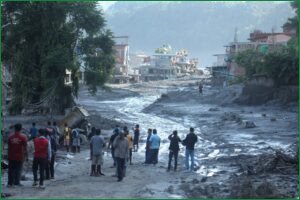
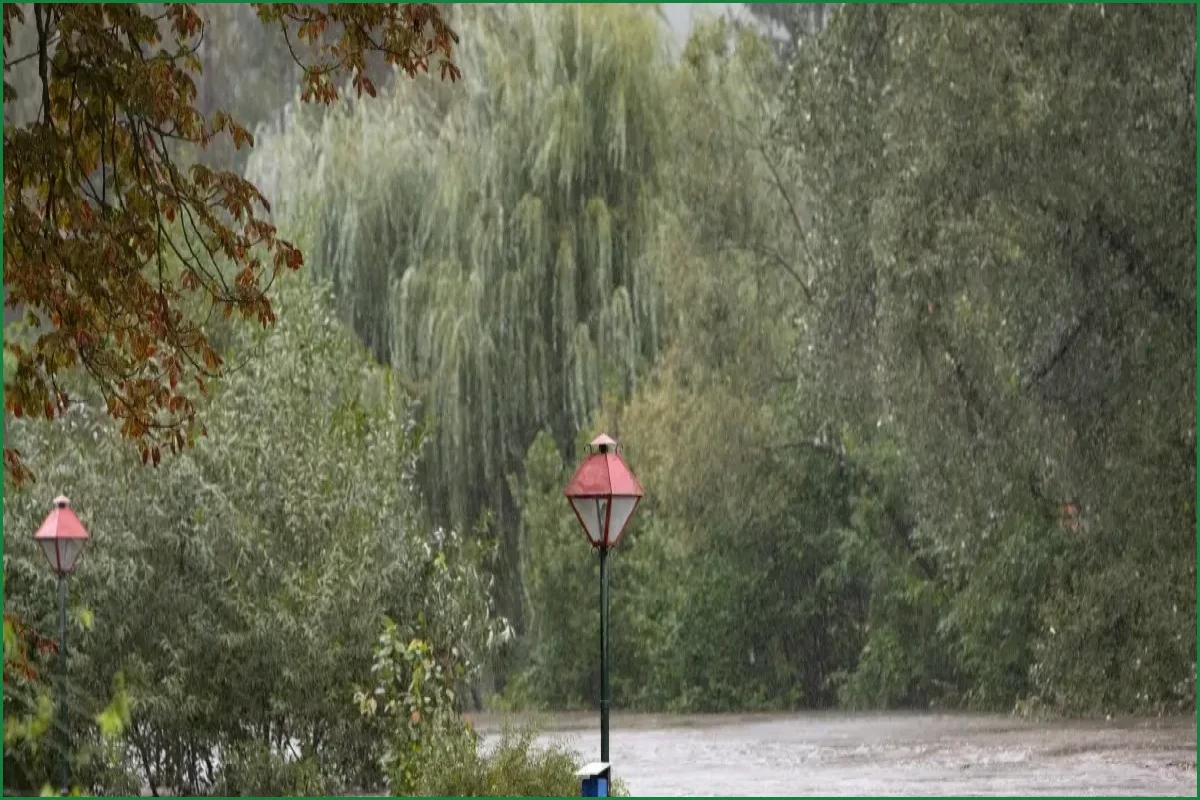
The current anxiety stems from the historic disaster that struck between September 12 and 16, 2024. During that period, a low-pressure system stalled over eastern Central Europe, drawing moist air from the Mediterranean toward the Alps after cold air pushed south toward northern Italy. This meteorological trap caused extraordinary quantities of rain to fall over the same regions for several days.
According to GeoSphere Austria's analysis of the 2024 disaster, most of the country received between 100 and 200 millimetres of rain. Some areas, including Vienna, Lower Austria, and Upper Austria, recorded staggering totals ranging from 250 to more than 400 millimetres. The event cemented September 2024 as Austria's wettest September since nationwide precipitation records began in 1858.
While some factors of the 2024 setup are absent, others are highly pronounced. This summer, the Mediterranean has experienced exceptional heat. Copernicus data published in August revealed widespread marine heatwave conditions in the western Mediterranean, with sea surface temperatures soaring up to 6 degrees Celsius above the long-term average in certain areas. This warmer water provides a massive reservoir of moisture that could fuel developing storm systems.
Simultaneously, Austria is enduring a historic dry spell. GeoSphere Austria reported that the previous 12 months were the driest since records began in 1850. Furthermore, between January 1 and August 12, 72 percent of Austria's territory experienced more dry days than in any of the previous 65 years. Regions such as Vienna, Lower Austria, and Burgenland have suffered an almost continuous rainfall deficit since February.
Looking ahead, the precision required to forecast an event similar to the September 2024 floods is currently beyond scientific reach. GeoSphere Austria's long-range outlook indicates the possibility of somewhat wetter conditions starting in October. However, the national weather service emphasizes that weather forecasts for the Alpine region become particularly uncertain when looking beyond a one-month horizon.
READ ALSO: What's the cause of Austria's 'unprecedented' rainfall and flooding?
READ ALSO: Why Austria’s dry spring could affect farms, food and water this summer