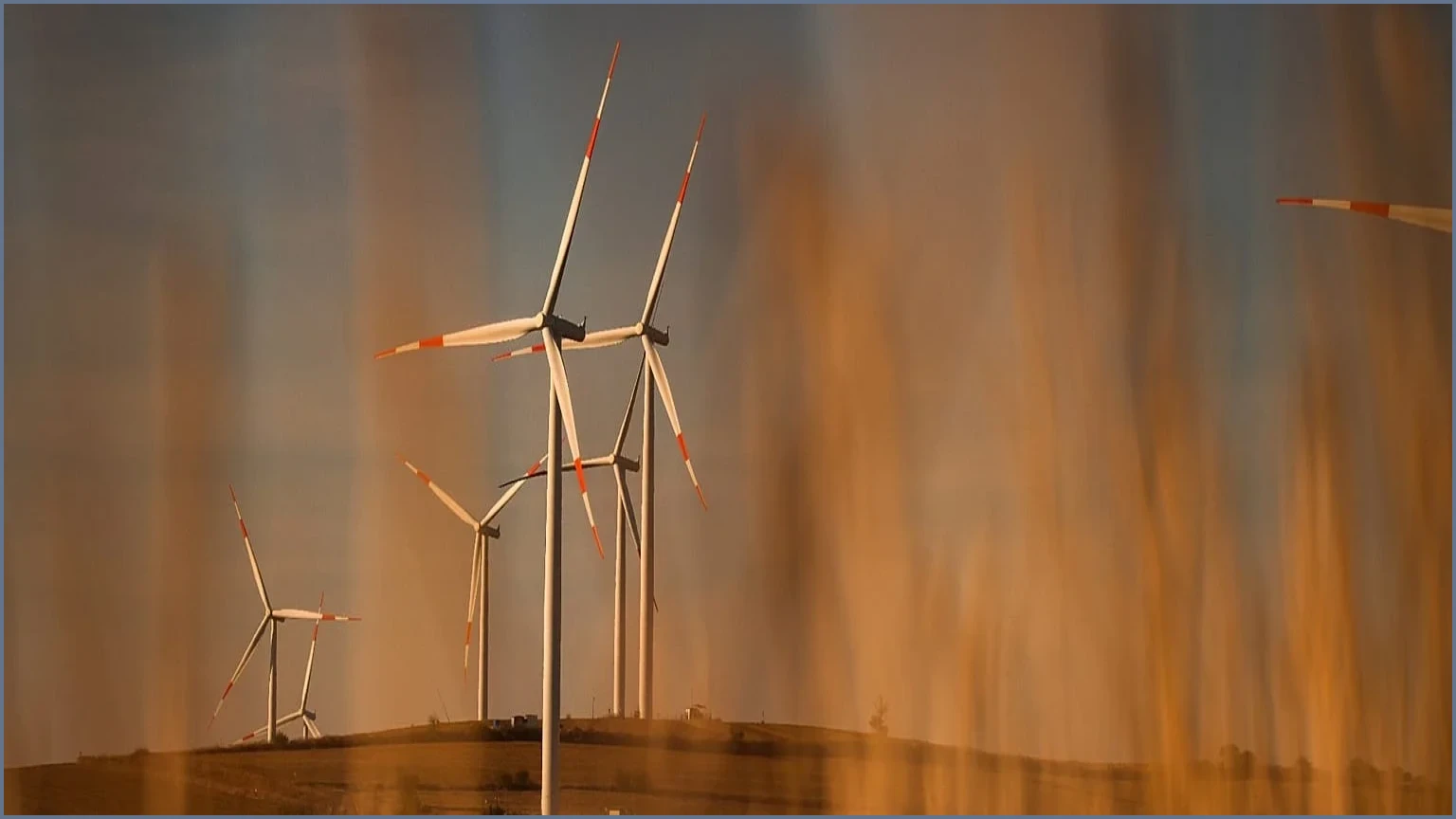
Wind energy is widely regarded as one of the most scalable and affordable solutions to the climate crisis. However, the rapid expansion of the industry has brought increasing concern regarding the end-of-life management of the infrastructure. Wind turbine blades are engineered to withstand extreme conditions, including intense UV radiation, powerful wind gusts, lightning strikes, and extreme temperatures. While approximately 85 to 90 per cent of a turbine's total mass can be recycled, the extreme durability of the blades makes the remaining elements notoriously difficult to reprocess.
Currently, many blades are sent to landfill sites or incinerated after their typical 20-year service life. As older fleets reach the end of their operational lifespan, the volume of decommissioned blade waste in Europe is expected to surge, rising from 20,000 tonnes in 2025 to 55,000 tonnes by 2030. In response, the European wind industry association, WindEurope, implemented a voluntary landfill ban last year and is now calling on EU policymakers to formalize this ban into legislation to further stimulate the development of sustainable recycling technologies.
A promising solution has emerged from a new study published in the journal Chem Circularity. Researchers have found that subjecting blades to a brief burst of intense heat can give these components a second life. This process, known as 'flash joule heating,' utilizes the silica-containing fiberglass and carbon-rich polymer resin found in the blades to create silicon carbide and graphene—both highly valuable materials for industrial manufacturing.
The process involves heating the blades to approximately 2,000°C within seconds. Under these extreme conditions, carbon reacts with silica to produce silicon carbide, a heat-resistant material, while the carbon also reorganizes into graphene, which is prized for its strength and electrical conductivity. According to senior author Bing Deng, a chemical and environmental engineer at Tsinghua University, this method represents more than simple recycling; it is upcycling. The team discovered that incorporating these recovered materials into resins for new rotor blades improved their mechanical and thermal properties. Adding just 0.3 per cent by weight of the recovered mixture made the resin stiffer, increased its resistance to deformation by 27 per cent under tension, and improved its performance by nine per cent when bent.