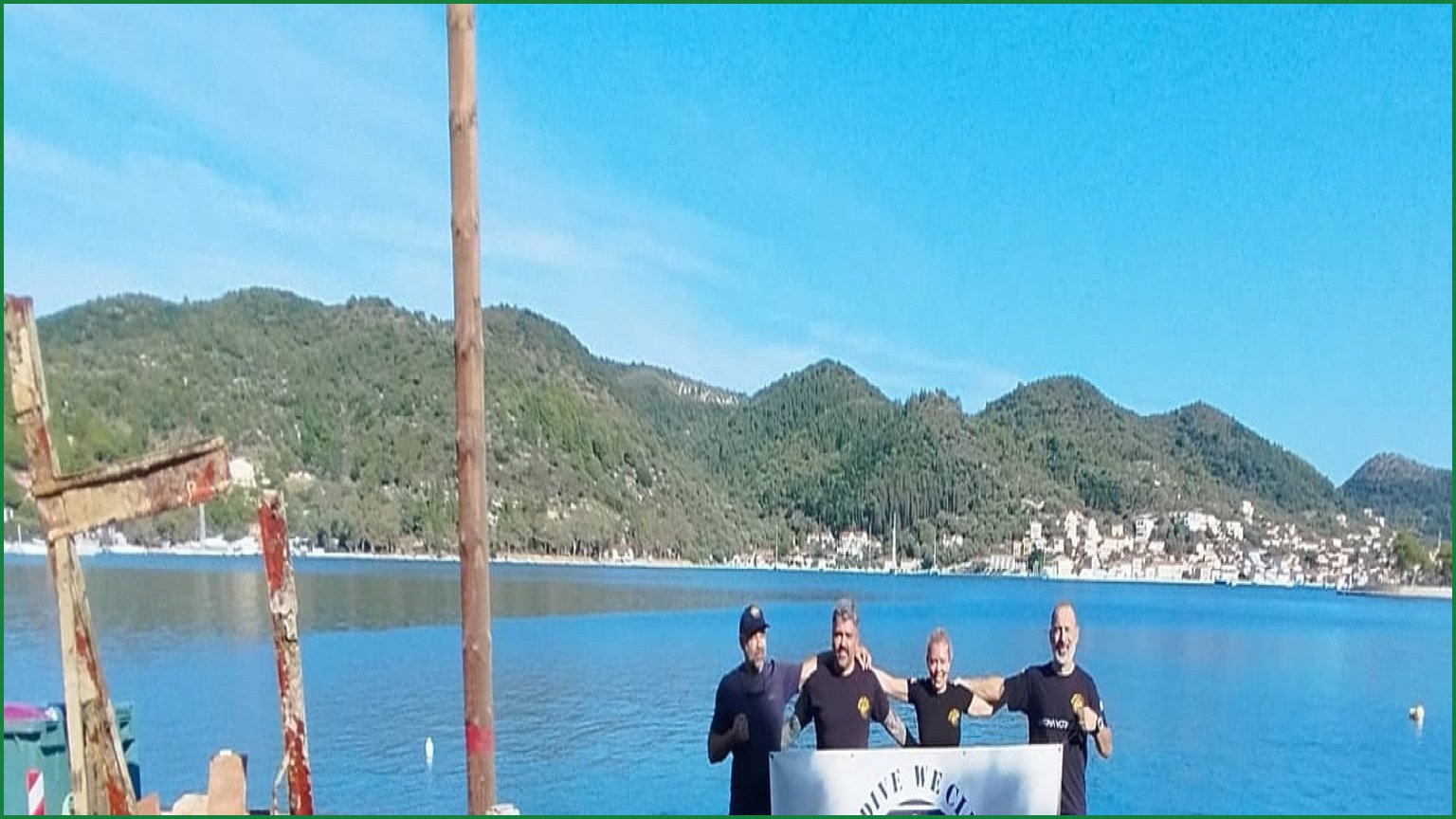
A team of volunteer divers has pulled approximately 1,300 kilograms of solid waste from the floor of Vathy harbour on the Greek island of Ithaca. The two-day underwater clean-up launched this year's installment of the 'We Dive We Clean' campaign, exposing the hidden marine debris settling beneath the surface of the picturesque horseshoe-shaped port.
The extensive array of trash recovered from the seabed included common plastic and glass bottles, aluminium beverage cans, fishing lines, nets, and fish traps. Divers also extracted larger hazardous items such as vehicle tyres of various sizes, batteries, rugs, and various discarded plastic objects, illustrating the diverse scope of pollution affecting Greek waters.
A significant portion of the submerged rubbish was directly linked to port navigation and human recreational activity. Divers brought up pieces of boats and dinghies, chairs, traffic cones, bicycles, metal objects, anchors, and personal belongings that had accidentally fallen overboard. Among the most notable items retrieved from the harbour floor was an almost complete plastic fishing boat.
Environmental workers emphasize that lifting such heavy refuse is vital for restoring the health of the seabed. Discarded waste burdens fragile aquatic ecosystems, creates hazards that can trap marine creatures, and degrades the overall quality of coastal environments.
The operation in Vathy marks the 186th underwater mission conducted by We Dive We Clean over 13 years of activity across Greece. Established in 2013, the organization carries out underwater clean-ups in harbours, fishing shelters, and coastal areas nationwide. According to figures released by the group, its cumulative efforts have successfully recovered nearly 73 tonnes of solid waste from Greek seabeds.
Conducting underwater extractions of this scale requires specialized equipment, proper diver training, and meticulous planning. Operations typically begin with securing and hoisting the heaviest objects using dedicated lifting gear before volunteer teams gather smaller scattered debris.
Through their ongoing presence in ports throughout the country, the volunteer divers have helped document subsea pollution that typically remains hidden from view on the surface. Team members noted that a substantial amount of the waste retrieved during recent operations appears to have been submerged for many years. This age pattern offers cautious optimism that public awareness regarding waste management and ocean protection may be improving, even as organizers stress that keeping marine environments clean requires continuous effort, responsible public behavior, and effective pollution prevention at the source.