United Nations agencies have issued a strong warning that the rapidly intensifying El Nino climate pattern is expected to trigger widespread health consequences across the globe. The most severe impacts are anticipated in countries already struggling with fragile health systems and ongoing humanitarian crises.
Speaking to reporters in Geneva on Tuesday, Armel Castellan, an extreme heat adviser for the joint WHO-WMO climate and health program, highlighted the current climate extremes. “We've just lived through the two hottest months on record. Sea surface temperatures are at record levels,” Castellan stated.
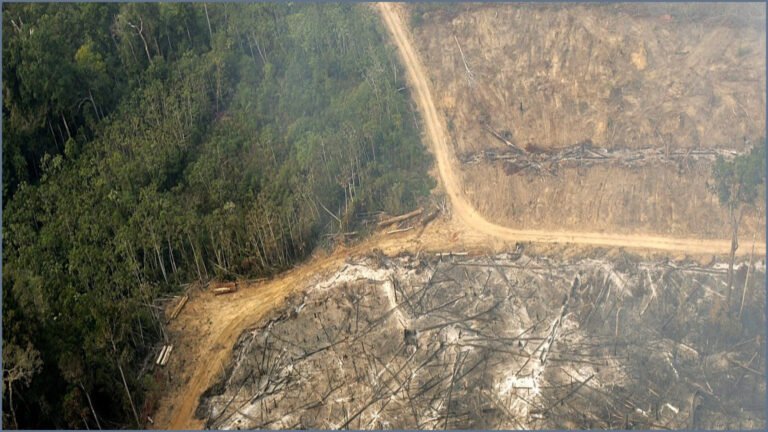
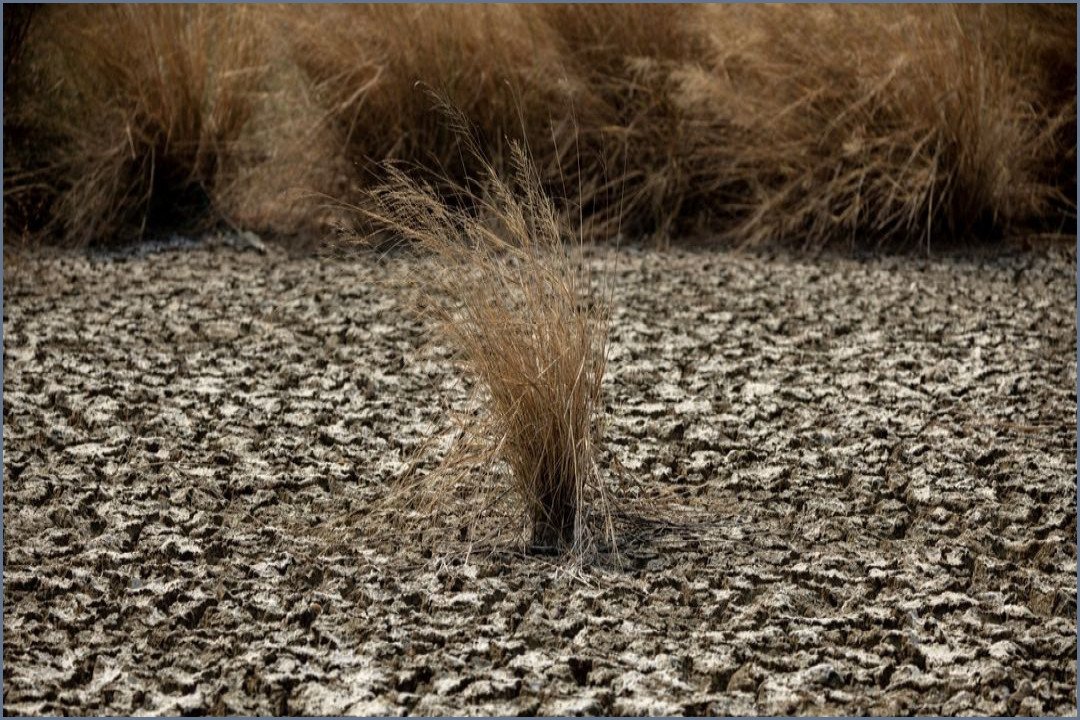
Castellan projected that El Nino is likely to reach its peak towards the end of 2026, but emphasized that its effects would persist well beyond that period. As the phenomenon peaks, much of the Southern Hemisphere, encompassing southern Africa, South America, and Australia, will enter its hottest season in early 2027. This could significantly elevate the risks of drought, wildfires, smoke, and air pollution.
Teresa Zakaria, WHO's unit head for risk reduction, humanitarian operations, and climate change, underscored the gravity of the situation, telling reporters that El Nino represents “a significant public health threat, not just a climate phenomenon.”
Zakaria detailed specific health concerns, noting that malnutrition and cholera are assessed as “very high” risks in regions affected by both drought and floods. Globally, over 150 million people are currently facing acute food insecurity, a figure expected to climb as climate shocks continue to disrupt food production and livelihoods.
Furthermore, rising temperatures and altered rainfall patterns could accelerate the transmission of mosquito-borne diseases such as malaria, dengue, chikungunya, yellow fever, and Zika. This poses a risk of these diseases spreading into areas where they have not traditionally been prevalent. Zakaria urged immediate action, stating, “We have a window of opportunity to act now before these risks become crises.”