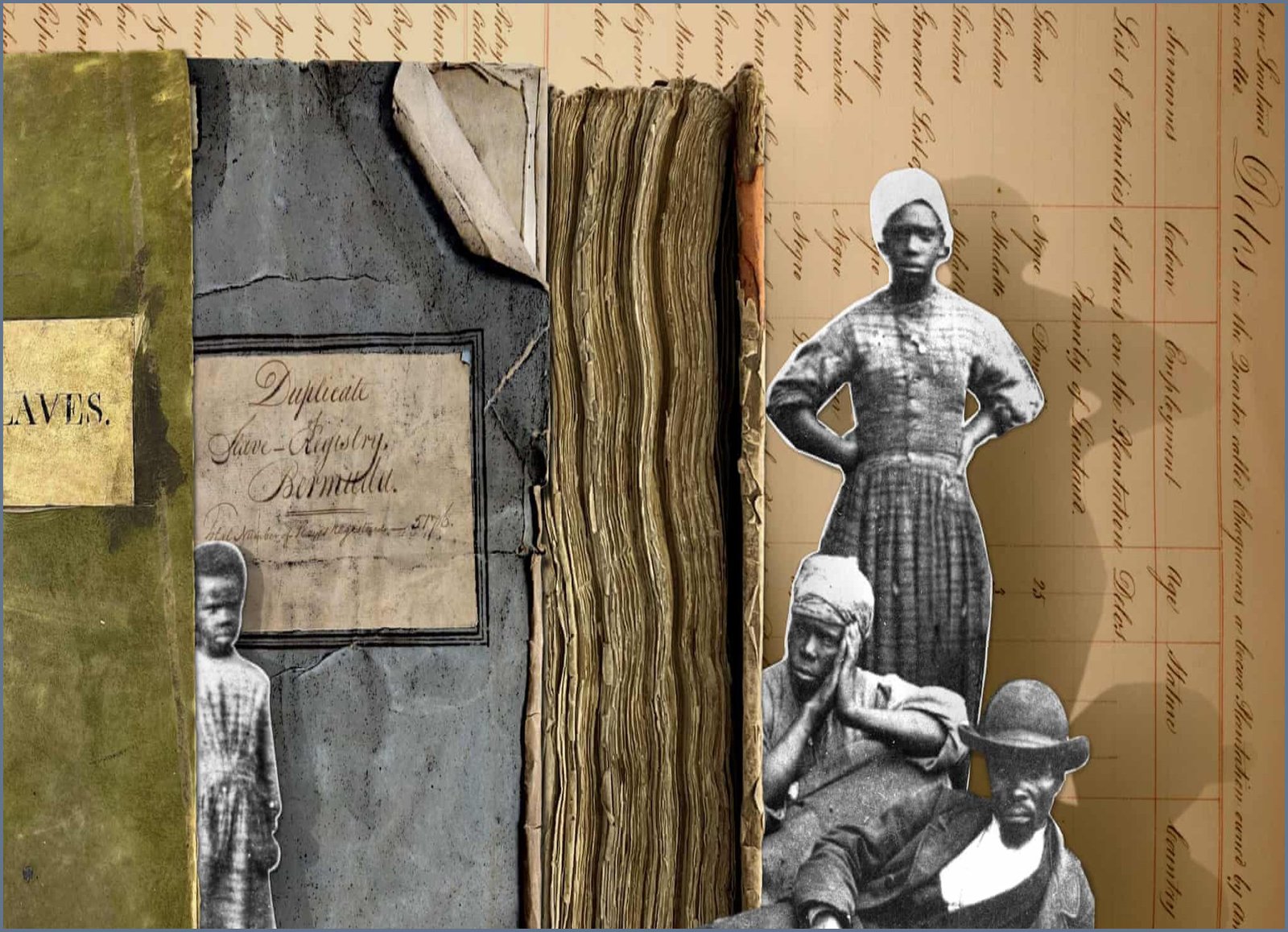
A massive collection of nearly 4 million records documenting the lives of enslaved people across 20 former British colonies has been made searchable online for the first time. This project is the result of a partnership between the genealogy company Ancestry and the Centre for the Study of the Legacies of British Slavery at University College London (UCL).
Known as the Former British Colonies Enslavement Registers, the collection includes approximately 300,000 pages of documents. These records cover the period between 1813 and 1840 and span various regions, including the Bahamas, Barbados, the Cape of Good Hope in South Africa, Jamaica, Mauritius, and Trinidad. The British government originally established these registers following the 1807 abolition of the transatlantic slave trade to monitor the enslaved population and prevent illegal trading.
The registers contain detailed information, including names, ages, physical descriptions, and family ties, as well as records of births, deaths, and transfers of ownership. Some entries even specify whether an individual was born in Africa or the Caribbean. Prof Matthew J Smith, director of the centre at UCL, described the collection as the most systematic set of archival documents available regarding enslavement in the British Caribbean and the broader British colonial world. He noted that the records allow researchers to recover stories of survival, resistance, and the search for freedom, with some researchers already successfully tracing families across six generations in Jamaica.
Nicka Sewell-Smith, a professional genealogist and senior story producer at Ancestry, highlighted the profound shift in how these documents are now used. While the records were originally created to count enslaved people as property, they are now being repurposed by descendants to reconstruct their family histories. She explained that the digital format removes significant practical barriers, as users can now search by name rather than needing to navigate physical registers at the National Archives in London.
Sewell-Smith also addressed the importance of the archive in challenging historical erasures, noting that the collection helps connect individuals across the African diaspora, including in the US and Latin America. The release of this collection follows the recent publication of the Register of British Slave Traders, a three-year project that identified 10,500 individuals who invested in the trafficking of enslaved Africans over nearly 250 years. Historians are increasingly shifting their focus toward the lived experiences of the enslaved, and Smith believes this T71 collection will transform the understanding of the system of British slavery. The collection is free to search for anyone who creates an Ancestry account.
“When I use these records to unearth my enslaved ancestors, I’m using them for a purpose that was different than what it was initially intended for. Our product is restoring the humanity of a person.”
In some cases, the level of detail is extraordinary. “You can pinpoint an exact birthday for an enslaved baby,” Sewell-Smith said.