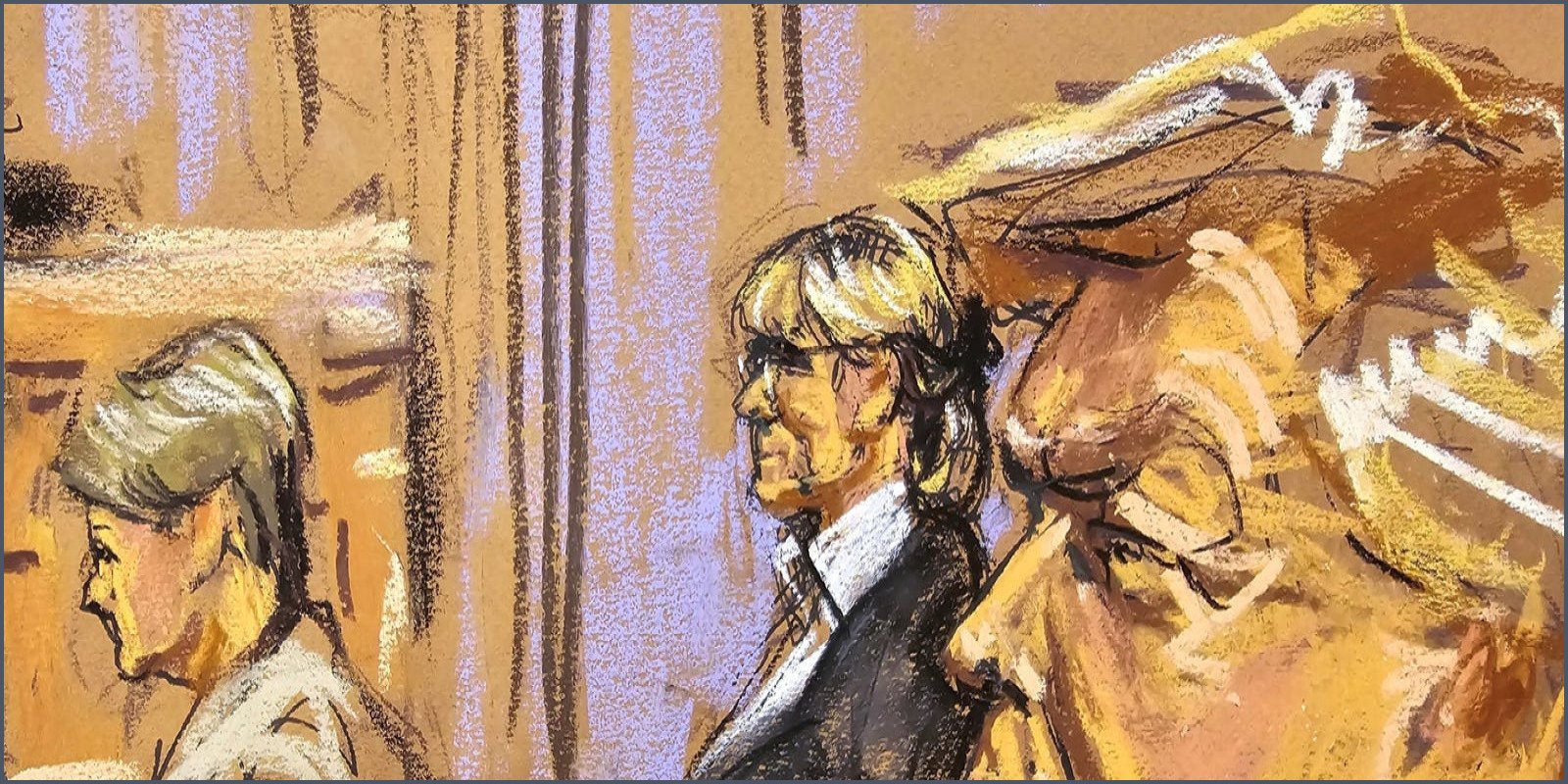
President Donald Trump has officially asked the Supreme Court to overturn a $83.3 million jury award in a defamation case brought by writer E. Jean Carroll. In a filing submitted on July 28, Trump’s legal team argued that the judgment, if left unchallenged, could leave future presidents fearful of civil liability regarding actions taken while in office.
"If left standing, the decision below will cause significant damage, not only to this President and future Presidents, but also to 'the Nation that the Presidency was designed to serve,'" Trump's lawyers stated. The filing further argued that it would seriously cripple the effective administration of government if presidents operated under the constant threat that their official acts could result in damages liability.
This appeal is the latest chapter in a legal battle between Trump and Carroll that began in 2019. The conflict originated when Carroll alleged that Trump sexually assaulted her at a New York City department store in 1996. Trump responded by denying the claim and alleging that Carroll fabricated the story to boost book sales, leading to the initial lawsuit. While that case was ongoing, Trump repeated his denials in a 2022 social media post, prompting Carroll to file a second lawsuit under a New York law providing a special window for sexual abuse survivors. In 2023, a jury found Trump liable for sexual abuse, resulting in a $5 million verdict.
Both the $5 million verdict and the $83.3 million defamation judgment have been upheld by federal appeals courts. Regarding the latter, the New York-based 2nd U.S. Circuit Court of Appeals rejected Trump’s appeal in September, describing the amount as reasonable given the "extraordinary and egregious facts" of the case. The appeals court noted that the jury’s finding of sexual abuse in the prior case precluded a new appeal on those grounds. Furthermore, the court emphasized that Trump’s repeated commentary led to numerous death threats against Carroll, and that the jury acted within its rights to impose a substantial financial penalty to deter further defamation.
Trump’s defense maintains that he should have immunity for his 2019 comments because they were made while he was serving as president. His lawyers cited the Supreme Court's 2024 ruling regarding presidential immunity for official acts, arguing that official statements should not be used as evidence to impose liability for other conduct. Simultaneously, Trump has requested that the Supreme Court reconsider its previous rejection of his appeal regarding the $5 million verdict.