At Sveavägen 68—an architecturally unprepossessing concrete bunker with mythical status in Swedish politics—celebratory 1950s-style princess cakes were delivered on election night. For a brief moment, it appeared that the Swedish Social Democratic Workers' Party was back on the verge of power. Although the party recorded a historically poor result at 28 percent of the vote, securing government responsibility offered a familiar sense of belonging for an institution that historically considered itself the natural party of government.
Historically, opposition was never the natural milieu for the Social Democrats. The party viewed itself as the statsbärande party, or the force that carries the state. In past decades, decisions taken inside Sveavägen 68 were virtually part of Sweden's constitutional framework, requiring only formal rubber-stamping by the Riksdag. Thirty years ago, the Social Democrats regularly captured 45 percent of the vote on their own, and even at the turn of the century, support hovered near 40 percent. During those decades, the party established eye-wateringly high tax rates alongside a thriving corporatist economy that most citizens felt served them well, while its deep institutional ties to trade unions, cooperative stores, adult education organizations, and newspapers ensured its presence in daily life.
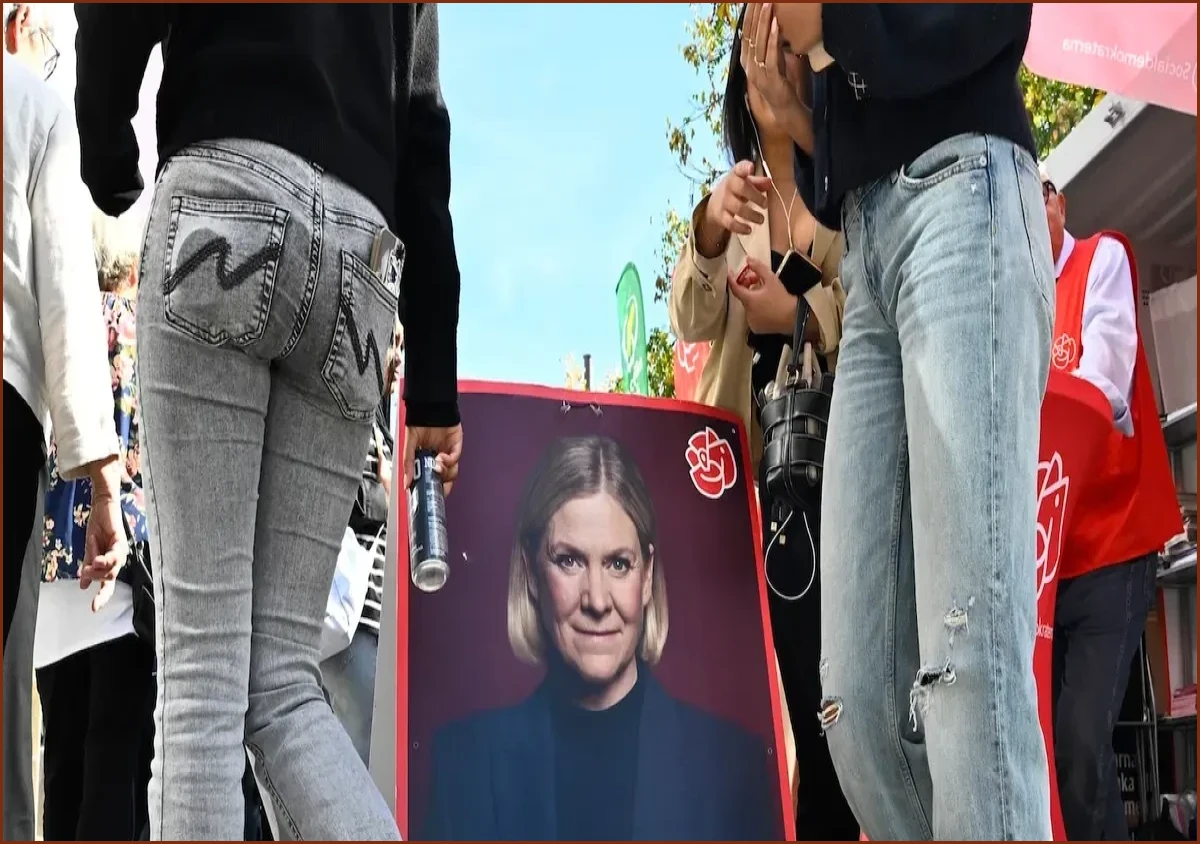
This long-standing dominance heavily influenced Sweden's centre-right parties. Activists within these groups often feared the Sweden Democrats' intentions, yet harbored an even deeper dread of Social Democratic dominance. The resulting soul-searching within the Liberals and the Centre Party has remained rooted in the tension between these conflicting anxieties. During the recent campaign, party leader Magdalena Andersson projected an image of a decisive, strong prime minister, branding the Social Democrats as the sole political force capable of maintaining stability. However, critics note that beneath this projection of strength lay a message largely driven by nostalgia rather than a substantive forward-looking platform.
Even during the height of their influence, Sweden's proportional representation system required the Social Democrats to seek external parliamentary support, which was often secured at low cost. The Left Party routinely enabled Social Democratic governments without demanding major concessions. The Social Democrats remained cautious about granting significant influence to the Left Party due to its historical ties to Eastern Bloc communism, adhering to a pragmatic approach where state responsibility outweighed ideological baggage. Later, when the Green Party entered the Riksdag, negotiations proved relatively straightforward.
The party's electoral performance since the 1950s resembles a steep downward slope with minor temporary recoveries. Over time, the gap separating the Social Democrats from the Moderates has closed significantly, while the Sweden Democrats have established themselves as a formidable third force, and the Left Party has grown large enough to hold real leverage. Compounding these challenges is demographic decline, as the party's strongest core support remains heavily concentrated among older age cohorts.
To counteract leftward pressure and maintain government authority, the Social Democrats targeted the Centre Party as a key partner to anchor a coalition in the political centre. However, the Centre Party has faced the prospect of aligning with Moderate leader Ulf Kristersson alongside the Sweden Democrats. While the Centre Party could still choose to back a government headed by Andersson—temporarily masking the Social Democrats' structural decline—a failure to secure such support would force the party to confront a deeper crisis of purpose beyond simply choosing new leadership.
Over the past four to eight years, the Social Democrats have focused primarily on balancing the competing demands of potential coalition partners while protecting their right flank from the Sweden Democrats, leaving their core identity unclear. Rebuilding long-term support will require formulating a clear policy vision rather than relying on historical legacy. The party could leverage its platform to champion economic opportunities for younger generations, outline a confident post-isolationist role for Sweden within Europe after years of keeping Brussels at arm's length, and promote an open economic model that supports both business growth and worker protections.