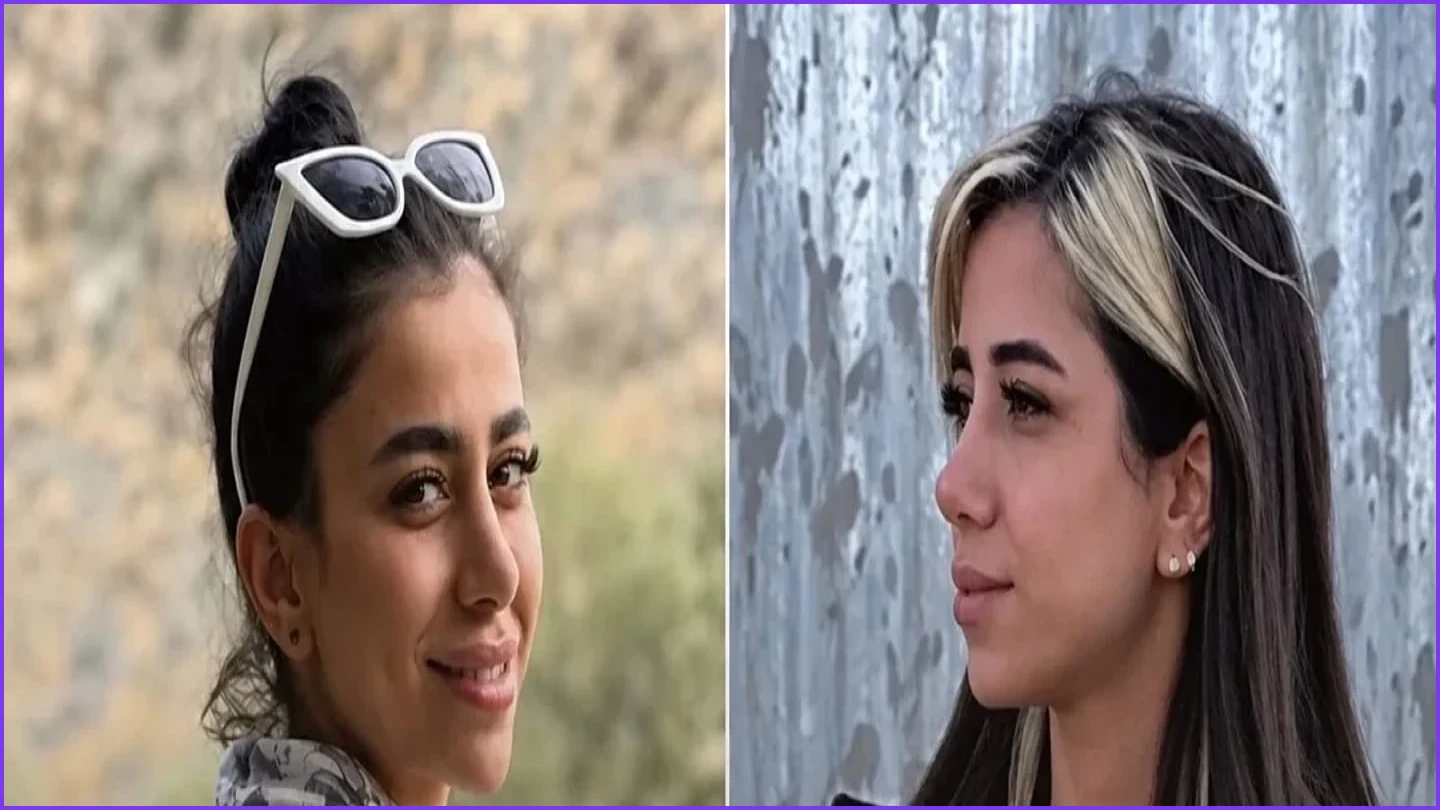
Two 21-year-old twin sisters detained in Iran following nationwide demonstrations in early 2026 have suffered severe beatings and torture in prison, according to family members and human rights organizations. One of the sisters has been condemned to death while the other was handed a 25-year prison sentence, despite growing international demands for their fair treatment and immediate release.
Taraneh and Rumina Rahimi were taken into custody in Isfahan on 24 January 2026 during widespread protests that the United Nations reported were met with harsh government force resulting in thousands of fatalities. Both sisters have repeatedly denied all charges against them. Their US-based cousin, Massoud Nurmohammadi, told international news outlets that Taraneh can no longer walk properly because of severe blows to her legs during her detention. He added that an untreated bone injury subsequently led to an ear infection that has damaged her balance.
The twin sisters were shortlisted for the European Parliament's Sakharov Prize in October 2026. Rights organization Amnesty International reported that following their arrest, the twins were subjected to enforced disappearance for more than three months, during which their family was kept entirely unaware of where they were being held. When their mother was finally permitted a visit, she found the young women with severely swollen and bruised faces and hair pulled out so extensively that she was able to recognize them only by their voices.
According to Amnesty International, interrogators tortured Taraneh and refused to relent until she signed a forced confession after they threatened to rape her sister in front of her. That confession, which claimed she was carrying a bladed weapon during the demonstrations, served as the primary basis for her death sentence despite a complete lack of independent supporting evidence. When lawyers representing the sisters submitted an official complaint alleging torture and sexual abuse during interrogation, the Iranian judiciary directed the complaint to the exact official accused of carrying out the abuse. A defense attorney was subsequently detained while a second lawyer withdrew, prompting the family to secure new legal representation for the appeal.
Human rights defenders highlight that Tehran has executed at least 39 individuals in connection with the demonstrations and placed upwards of 120 others on death row. Amnesty International noted that in less than two months, Iranian judges handed down death sentences or upheld existing execution orders against at least six women, including Rahimi, following grossly unfair trials. On 16 November 2026, the Norway-based group Iran Human Rights published a report recording at least 121 death sentences linked to the January protests. Mahmoud Amiri-Moghaddam, director of Iran Human Rights, stated that horrifying narratives of torture lie behind the sentences, explaining that young protesters face execution based on confessions extracted under coercion in revolutionary courts while defense attorneys face threats, harassment, and severe personal danger.
International scrutiny of the crackdown has escalated in legislative bodies. On 8 October 2026, the European Parliament adopted a resolution on Iran's human rights situation by a vote of 541 to 11, with 25 abstentions. The measure strongly condemned what lawmakers characterized as unprecedented violence by judicial and security personnel against civilians since January 2026. Members of the European Parliament raised grave concerns over persistent attacks on journalists and human rights activists, as well as judicial proceedings reliant on confessions extracted through torture, specifically calling for the death sentence against Taraneh Rahimi to be overturned and citing the imprisonment of Rumina Rahimi.
The crackdown has also extended to cultural figures who violate state mandates. A court in Qom recently sentenced Iranian singer Parastoo Ahmadi alongside eight members of her band to 74 lashes each, a two-year travel ban, and a two-year ban on artistic work after they gave a concert performance without adhering to mandatory veiling laws. The Qom Provincial Criminal Court convicted the musicians on charges of harming public decency by creating and distributing vulgar and unethical material online.