Researchers at the Institute of Micro and Nanotechnology (IMN-CNM, CSIC) in Spain have engineered a novel nanomaterial capable of cooling surfaces by up to 12.9 degrees Celsius below the ambient air temperature, even under direct sunlight, and without requiring any electricity.
This innovative material utilizes daytime passive radiative cooling, a technique that leverages a specific atmospheric window between 8 and 13 micrometres in the infrared spectrum. Heat can escape directly into space through this band without being trapped by greenhouse gases. The new nanomaterial is designed to emit heat efficiently within this window while simultaneously reflecting solar radiation, allowing it to become colder than its surroundings.
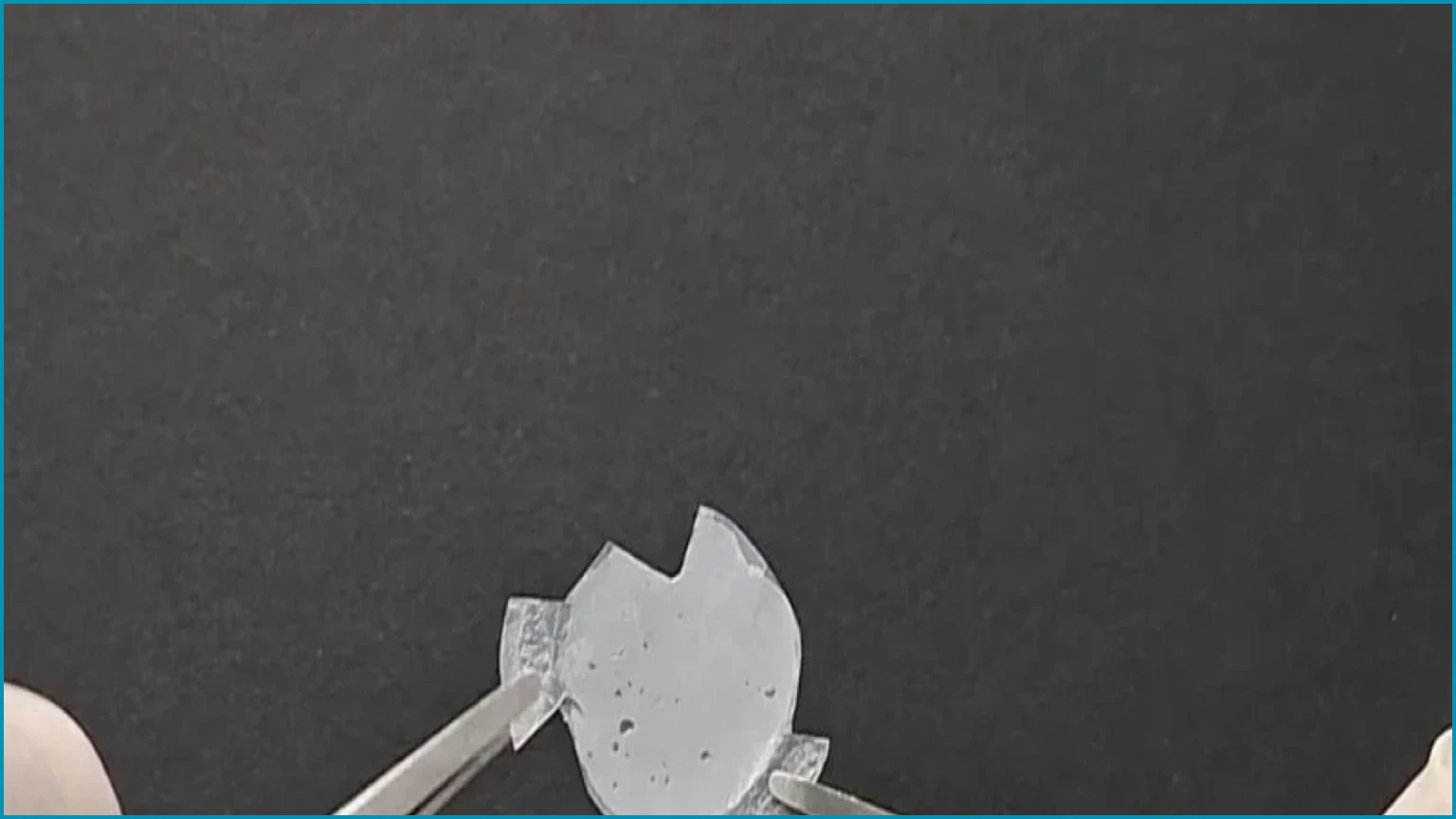
The material is based on polyvinylidene fluoride (PVDF), a polymer known for its heat-emitting properties. According to Cristina Vicente, a researcher at IMN-CNM and leader of the COOLed project, the PVDF was chosen for its combination of essential characteristics: efficient heat emission, resistance to ultraviolet radiation, water repellency leading to a self-cleaning effect, and overall durability against the elements.
The key innovation lies not just in the material itself but in its intricate nanostructure. The research team infiltrated the PVDF polymer into nanoporous templates made of anodised aluminium oxide. This process allowed for the creation of three-dimensional structures with precisely controlled internal geometry, which is critical for optimizing the material's optical performance at the nanoscale.
The performance figures are substantial: the optimized nanomaterial reflects an average of 82.4% of solar radiation and emits 96.7% of heat within the 8 to 13 micrometre infrared window. This translates to a theoretical cooling capacity of 182.3 watts per square meter under standard solar irradiance of 1,000 W/m².
Field tests conducted on the center's rooftop in Tres Cantos, Madrid, last summer validated these findings. After an ultraviolet light treatment that enhanced its solar reflectance, the coated surface consistently remained up to 12.9°C cooler than an uncoated sample on the hottest, driest, and sunniest days, with a peak solar irradiance of 962 W/m² recorded during the trials.
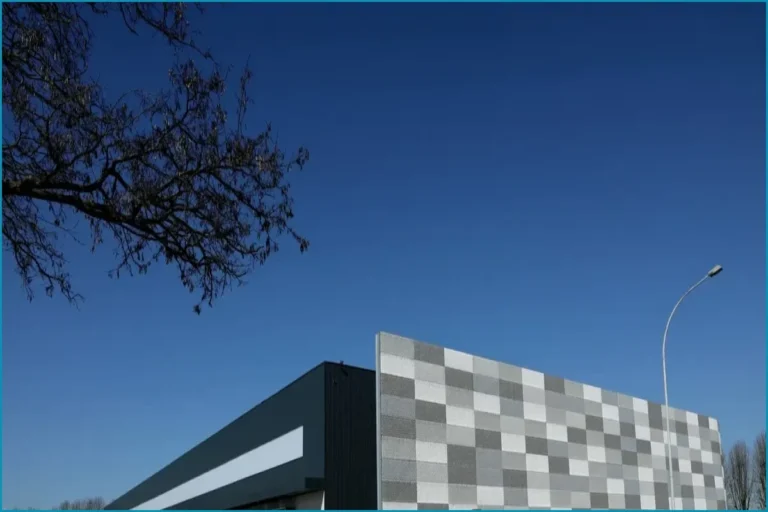
While the technology is still in development, the researchers highlight that the manufacturing process is relatively inexpensive and compatible with existing industrial methods. This suggests broad potential applications for the nanomaterial, including building façades and roofs, electronic devices, vehicles, and personal cooling systems, all aimed at reducing reliance on energy-intensive air conditioning and its associated emissions.
The research, led by the Functional Nanoscale Devices for Energy (FINDER) group and published in the journal Nanophotonics, is based on daytime passive radiative cooling, a technique that exploits a peculiarity of the Earth's atmosphere: there is a band in the infrared spectrum, between 8 and 13 micrometres, through which heat escapes directly into space without being trapped. A material that emits well in that window and also reflects solar radiation can end up colder than the surrounding air, with no plug or compressor involved.