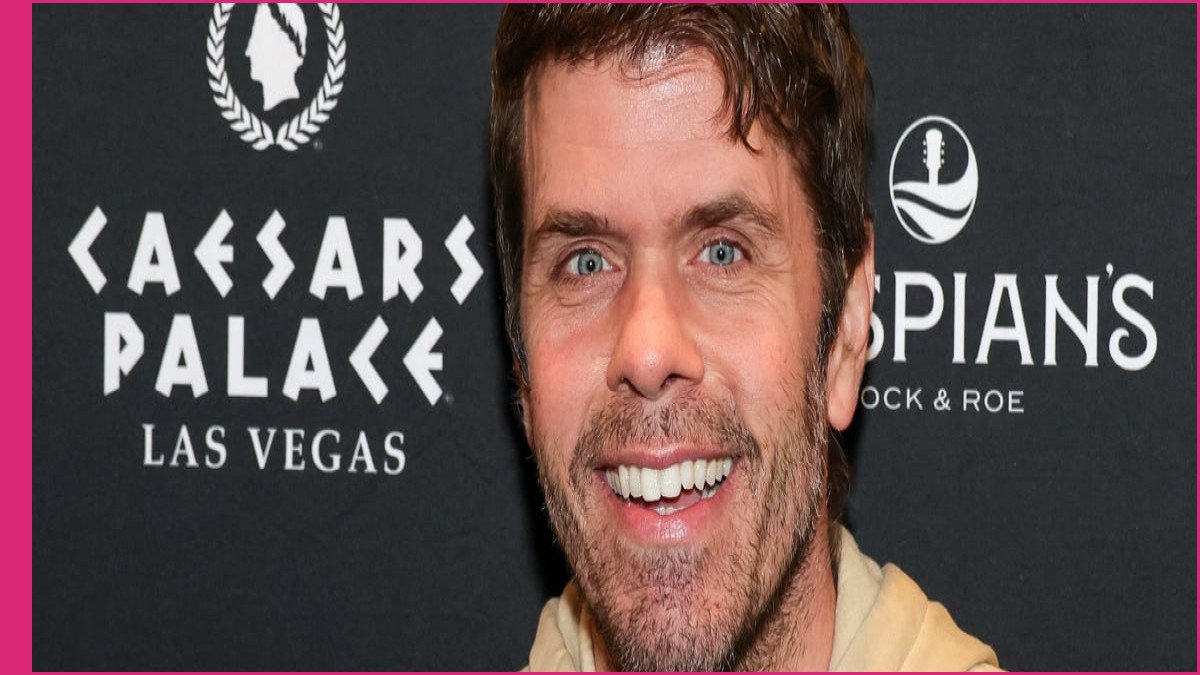
When Perez Hilton was seen self-harming in a TikTok Live broadcast this past Tuesday night, the platform's automated content moderation system successfully flagged the livestream and alerted the American content moderation team, according to a spokesperson for the company. Despite this initial detection, a "moderator error" caused a significant delay in taking down the disturbing footage. TikTok clarified that the duration of the livestream was 15 minutes, contradicting reports that suggested it lasted 30 minutes. The platform also noted that it successfully closed several subsequent streams initiated by Hilton within 90 seconds. Following the incident, TikTok confirmed that Hilton's account has been banned outright due to his breach of the platform's community guidelines.
While TikTok took action against the account, the incident has highlighted a persistent issue regarding the circulation of graphic content. Users on X have observed that screenshots and clips from the video remain available on that platform. Each major social media company maintains policies that prohibit the depiction of self-harm or suicide. TikTok’s policy explicitly states a "zero-tolerance policy for ads that promote, depict, glorify, endorse, or document suicide, self-harm, or dangerous behaviors which may lead to these." While X did not respond to a request for comment and Meta declined to comment, Instagram and YouTube also maintain similar language in their safety policies regarding graphic content.
The ongoing availability of such content on X has drawn renewed attention to the platform's moderation practices. Since Elon Musk purchased X in 2022, the company has undergone significant structural changes, including the termination of a large portion of its content moderation team, leading to intense public and industry scrutiny. Content moderators across the industry often face immense professional strain. An article from the Harvard Business Review highlighted that these workers frequently struggle with outdated interfaces, poor pay, and the pressure of being evaluated on metrics like the volume of cases processed and whether their supervisors agree with their specific moderation decisions.
Jessica Maddox, an associate media studies professor at the University of Georgia and an internet culture researcher, characterizes the current state of content moderation as "like Whack-a-mole," where the rapid emergence of new content makes it nearly impossible to keep up. While she expressed sympathy for the difficulty of the work, she argued that the human error that allowed the Hilton livestream to remain active for 15 minutes demonstrates a need for more immediate, automated removal processes. Maddox noted that while systems exist to restore content that was removed in error, the current reality is that harmful content frequently falls through the cracks.
Maddox further argued that the ability to locate graphic content has become mainstream, suggesting that social media platforms are inherently designed for this type of engagement. She pointed to the assassination of Charlie Kirk as an example, noting that videos of the event were widely shared on X and remain easily searchable from multiple angles. She contrasted this with the past, when such graphic videos were typically confined to darker corners of the internet. On the same day as the Hilton livestream, another TikTok video surfaced showing a Mexican influencer with over 600,000 followers being shot and killed; blurred and edited versions of that footage remain available on the platform.
The history of such failures is extensive. In 2020, TikTok faced criticism for two major instances where graphic content was not removed in a timely manner. The first involved a Brazilian influencer who livestreamed his suicide to an audience of over 200 people, with the video remaining on the platform for over 90 minutes, as reported by The Intercept. Later that year, in September, a veteran named Ronnie McNutt livestreamed his suicide on Facebook, and clips of the event were subsequently uploaded to TikTok and other platforms. Despite efforts to remove the footage, it was repeatedly reuploaded.
Following the spread of the McNutt video, his friend Josh Steen criticized the lack of effective intervention by social media companies. Steen argued that platforms like Facebook, Twitter, and Instagram could have done more to ban specific accounts and IP addresses to stop the spread. He questioned the efficacy of these companies, noting that while YouTube can automatically flag users for using seconds of copyrighted music, they often fail to filter out graphic content depicting a person ending their life. Maddox believes these failures are a detriment to community building and positive online interaction. She suggests that the "algorithmic trend economy" incentivizes users and creators to chase clicks and views even when the content is harmful to mental health. In the absence of meaningful intervention, she advises that the most radical action users can take is to deny such content their attention. If you or someone you know may be experiencing a mental health crisis, contact the 988 Suicide & Crisis Lifeline by dialing or texting 988.