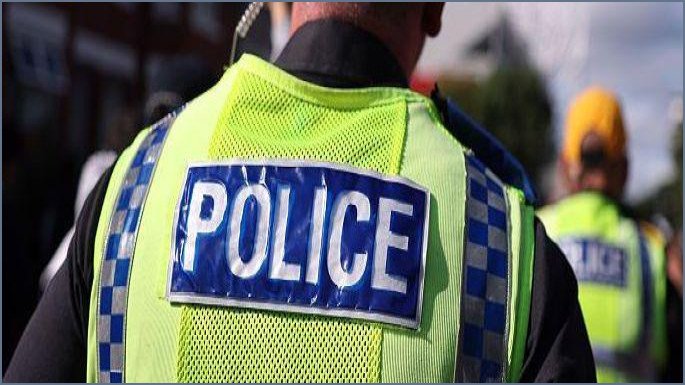
A cross-party group of backbench MPs is taking legislative action to reverse a 2025 Court of Appeal judgment that grants police officers broad immunity from civil litigation. The MPs argue that this ruling, which applies across England and Wales, creates an "accountability gap" with potentially devastating consequences for victims of crime, as it prevents them from seeking legal redress even when police investigations have been marred by grave failings.
The 2025 Court of Appeal judgment established that police officers are immune from civil lawsuits both in their capacity as witnesses and for any conduct or statements made while carrying out criminal investigations. Conservative MP Andrew Mitchell and Labour’s Jess Phillips have submitted an amendment to a bill currently being debated in Parliament, which is scheduled for discussion this coming Tuesday.
Their proposal seeks to explicitly counteract the ruling by ensuring that immunity does not apply to police actions in preparation for criminal proceedings, particularly in instances of specified grave failings.
The MPs are specifically targeting cases where police have fabricated evidence, acted with dishonesty or negligence, or where there has been a reckless disclosure of confidential information regarding victims. Andrew Mitchell told reporters that the immunity created by the Court of Appeal is extremely concerning, warning that if the legal loophole is not closed, it will have severe consequences for those harmed by police errors.
He highlighted the case of Ali Kololo, a Kenyan woodcutter who spent 11 years in prison after being wrongfully convicted of assisting a gang that attacked two British tourists in 2011.
Mr. Kololo, who is represented by the human rights group Reprieve, is currently suing the Metropolitan Police. The force has indicated it will rely on the principle of core immunity to defend the claim, a position likely to be bolstered by the recent Court of Appeal ruling. A spokesperson for the Metropolitan Police stated they would not comment on the ongoing civil claim but noted their thoughts remain with Mr. Kololo and the victims of the original crime.
The legal precedent was solidified in a case involving a victim of serious domestic violence who had fled her abuser for a secret refuge. Sussex Police included her new address in a file sent to the Crown Prosecution Service (CPS) without sufficiently flagging its confidentiality. A CPS lawyer subsequently disclosed the address in court during a bail hearing, revealing her location to her abuser and forcing her to flee once more.
The woman, who reported that her safe haven no longer felt secure, brought claims against both the police and the CPS, citing fear for her life, loss of earnings, and psychiatric injury.
While her claims were initially rejected, reinstated on appeal, and then struck out again, the case highlighted how "core immunity"—traditionally reserved for witnesses and lawyers to speak freely in court—has been expanded to cover a wide range of police activity.
Kate Ellis, from the Centre for Women's Justice, warned that the ruling allows forces to argue they cannot be held legally responsible for serious mistakes in criminal investigations. She suggested this could leave victims of rape, stalking, and domestic abuse without any recourse for police failures. While officers remain subject to criminal prosecution and internal misconduct processes, critics argue these mechanisms are insufficient to address civil damages.
A government spokesperson stated that the Home Secretary and the Lord Chancellor have commissioned a review into police accountability following long-standing concerns from policing leaders, officers, and victims, noting that any changes to police treatment should be considered alongside the findings of that review.
Sussex Police and the National Police Chiefs Council have both declined to comment on the matter, while the ruling itself may still be overturned at a Supreme Court appeal scheduled for this month.
Most types of legal claim are thus blocked by this immunity, including cases about serious human rights abuses and data breaches, and there are no exemptions for unjustifiable conduct.