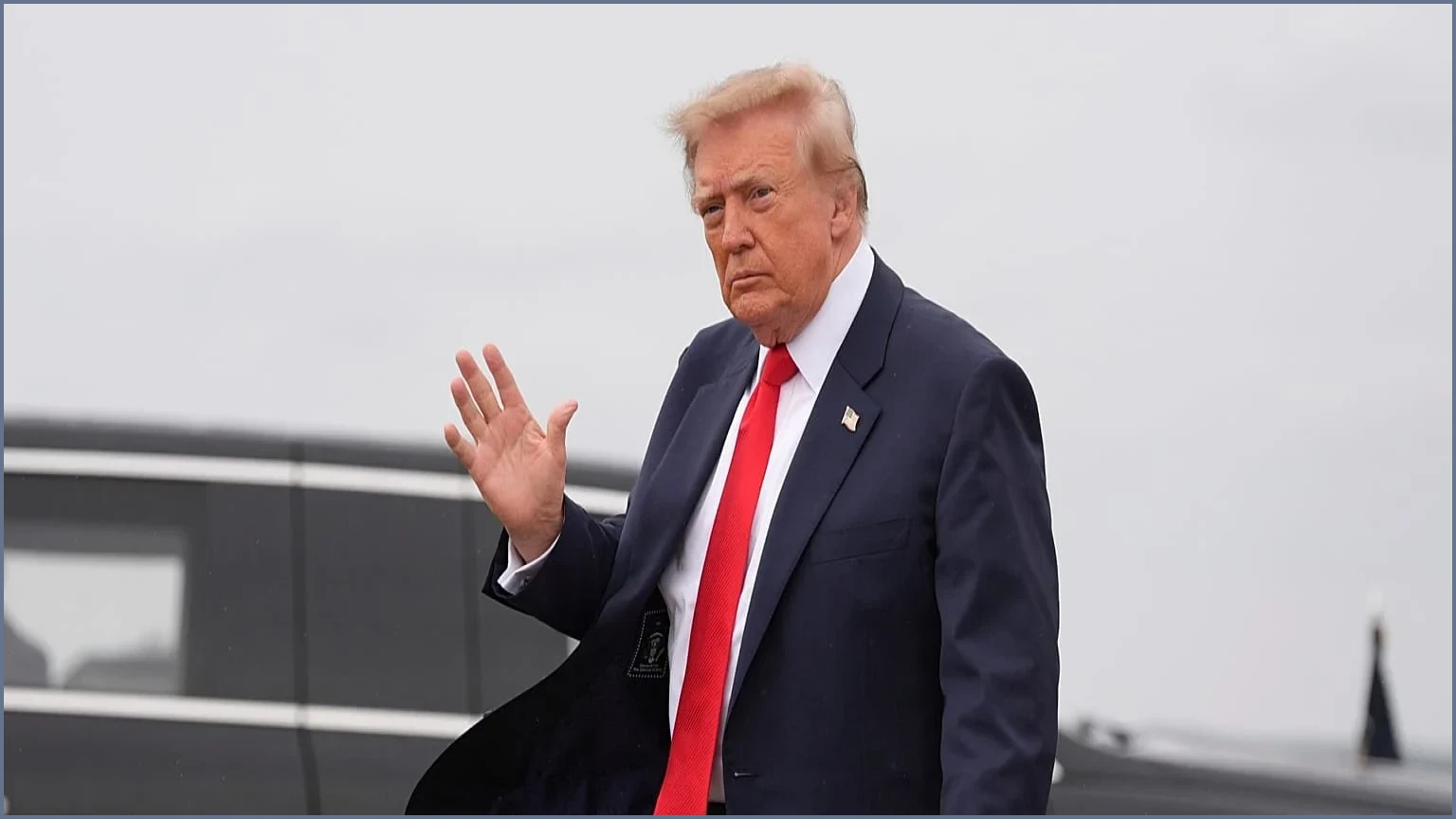
US President Donald Trump has declared that it is time for Ukraine to install a new president, arguing that current leader Volodymyr Zelenskyy has failed to make sufficient efforts to conclude the Russian invasion of his country. This demand for a leadership change follows a series of diplomatic tensions and a new energy agreement between the United States and Russia.
Following recent talks with Russian President Vladimir Putin, Trump announced that Russia will supply more than 300,000 tons of diesel fuel to the American and global marketplace, with an additional 500,000 tons scheduled for delivery throughout November. Trump has consistently pressured the Ukrainian government to halt military strikes on Russian oil refineries and other critical infrastructure, claiming these attacks are the primary cause of global fuel shortages. During a statement on Saturday, Trump remarked, "He (Zelenskyy) wants to make problems for the world. He wants to make problems for our farmers, our ranchers, with diesel fuel." He added that despite his warnings to avoid targeting fuel infrastructure, the Ukrainian military continued such operations.
The agreement was met with immediate condemnation from Zelenskyy, who characterized the deal as a "gift to Putin" that would "not bring peace or any benefit to the civilised world." The Ukrainian president argued that facilitating Russian petroleum sales serves as an investment in a conflict that requires genuine de-escalation rather than prolongation. Since the joint US and Israeli attack on Iran on February 28, diesel prices in the US have surged, contributing to a global energy crisis that Trump has attributed solely to Zelenskyy’s actions.
Conversely, the Kremlin welcomed the development. Kirill Dmitriev, the Russian President’s special envoy on economic cooperation, described Trump’s comments as "iconic and historic" in a post on X. "President Trump joins the many who believe that Ukraine needs leadership actually focused on peace, not Zelensky's warmongering," Dmitriev stated. Meanwhile, domestic political pressure on the US President remains high; an Associated Press-NORC Centre for Public Affairs Research poll conducted last month found that 71% of American adults disapprove of how Trump is handling the situation involving Iran.