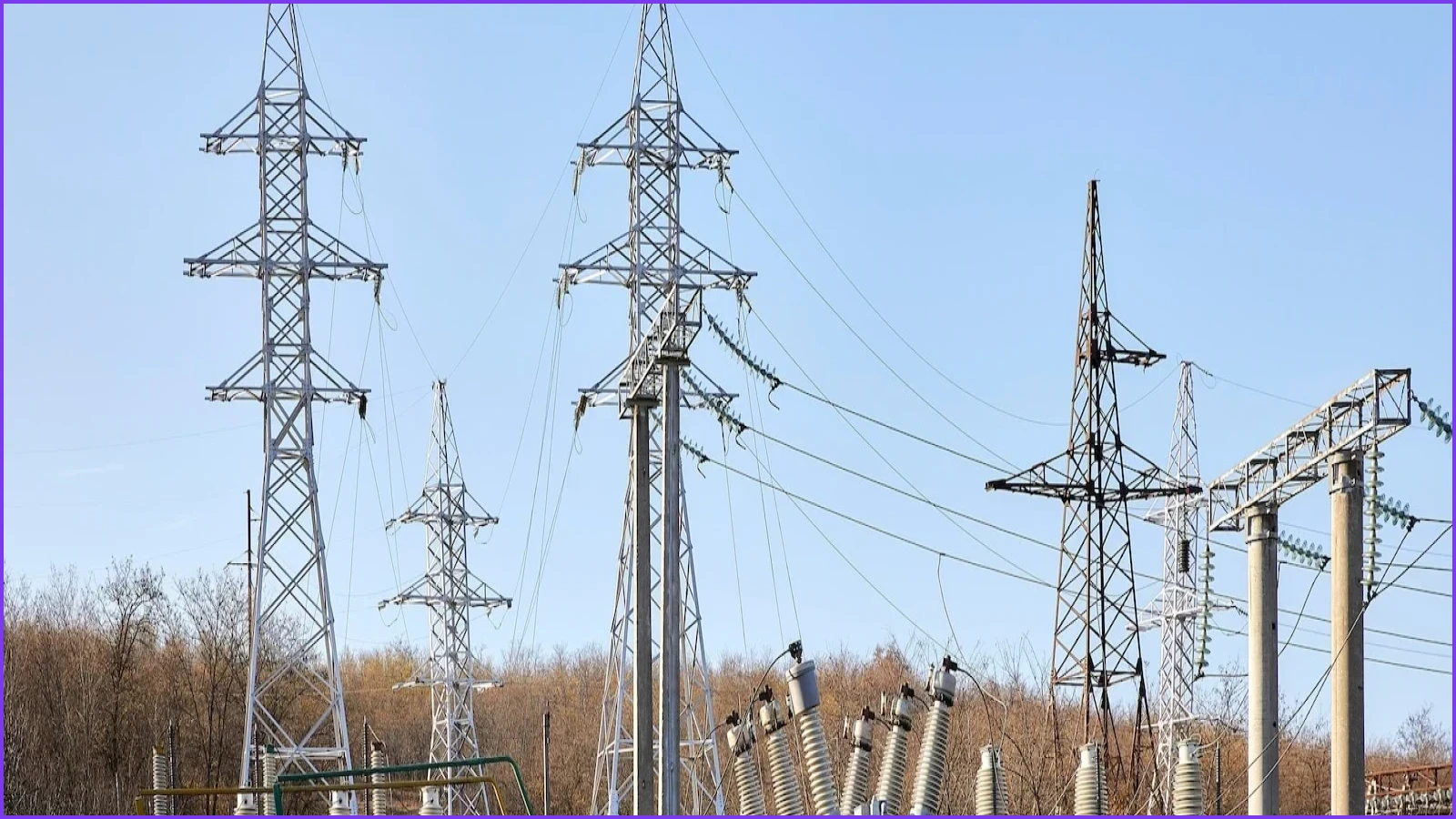
The Moldovan parliament officially declared a 60-day state of emergency on Tuesday, targeting the country's energy and water sectors. The legislative body passed the measure in a 54-20 vote, with 22 lawmakers abstaining. The state of emergency is scheduled to take effect this Saturday.
This decision follows a series of warnings from the Ministry of Environment regarding a severe hydrological deficit affecting both the Dniester and Prut rivers. Officials noted that the Dniester River remains a primary water source for Moldova, and current low water levels threaten the nation's supply. The emergency declaration grants authorities the legal power to intervene rapidly and implement temporary measures to ensure that essential supplies are maintained.
Prime Minister Vasile Tofan described the current situation as a “perfect storm,” pointing to a combination of factors including drought, the ongoing conflict in Ukraine, instability in the Middle East, and the destruction of oil refineries. These combined pressures have significantly increased energy costs for the country. Tofan emphasized that while there is no immediate shortage of fuel, electricity, or water, the country is entering the winter season with multiple overlapping risks.
The government reported that water flow into the Novodnistrovsk reservoir in Ukraine has dropped to approximately 22 cubic meters per second, falling well below the minimum requirement of 60 cubic meters per second. Environment Minister Gheorghe Hajder indicated that the government may need to impose restrictions on nonessential water usage to manage the scarcity effectively.
The move comes shortly after President Maia Sandu convened a National Security Council meeting to discuss the impact of the international energy crisis and strategies to bolster national energy resilience. Moldova, which relies heavily on imported electricity and natural gas, has faced similar states of alert since July. Previous disruptions occurred in March, when Russian strikes on the Ukrainian energy grid severed a critical power line connection between Moldova and Romania. Additionally, a separate Russian strike on the Novodnistrovsk hydropower plant earlier this year caused pollution in the Dniester, leaving thousands of Moldovans temporarily without water.