Latvian authorities have identified a significant shift in irregular migration patterns, noting that their border with Belarus has become the primary target for pressure that was previously distributed across Lithuania and Poland. This escalation arrives just months before Latvia’s parliamentary elections on 3 October, prompting concerns that the regime in Minsk is actively seeking to destabilize the region by instrumentalizing migration.
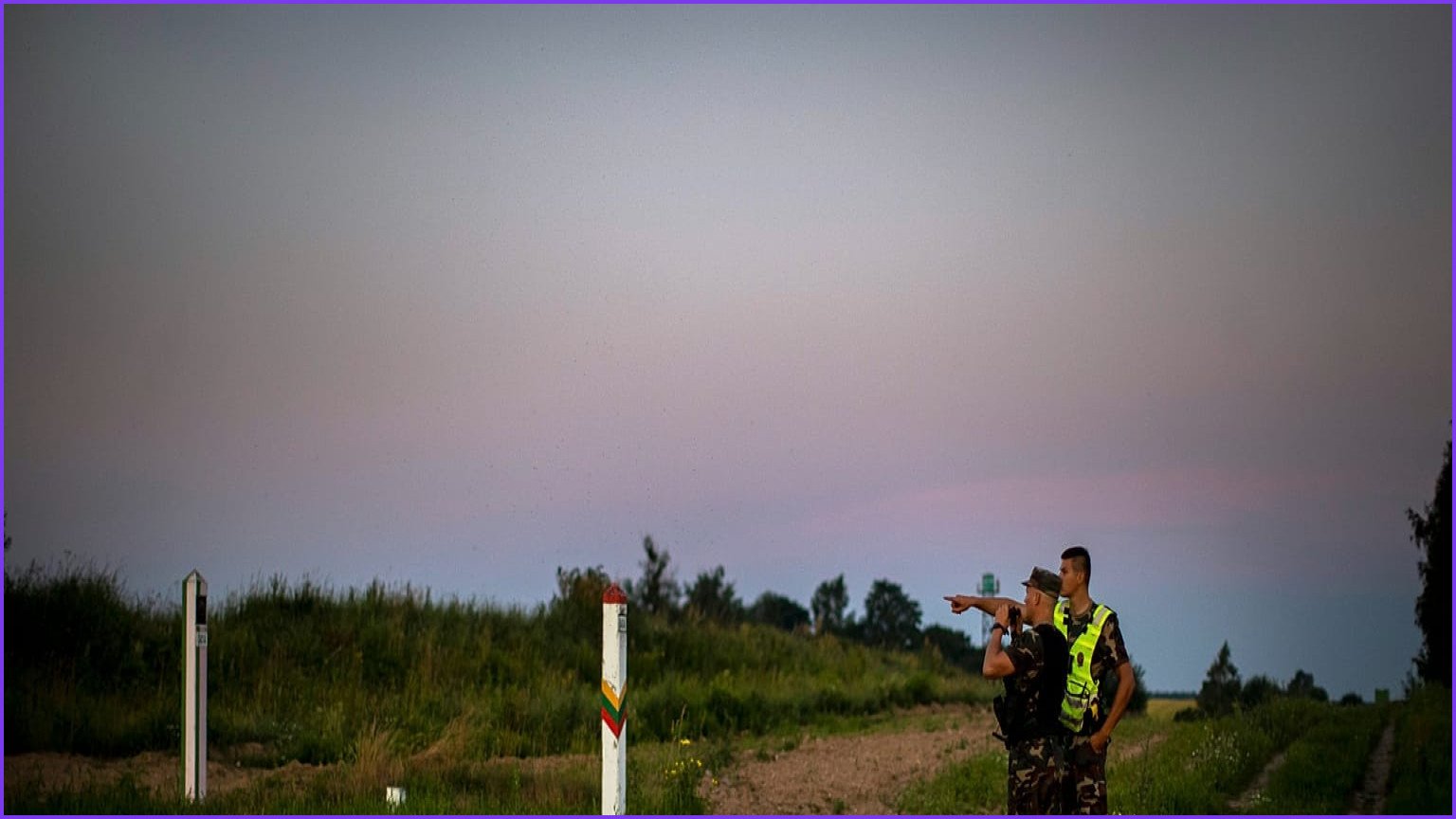
The intensity of this shift is highlighted by recent data: on a single Thursday, Latvia, which maintains a 173-kilometre border with Belarus, recorded 111 attempted illegal crossings. In contrast, Lithuania, with a much longer 679-kilometre border, reported only two attempts on the same day, while Poland recorded none the previous day. Furthermore, secondary migration into Lithuania via Latvia has surged fourfold.
Latvia’s Interior Minister, Jānis Dombrava, explicitly stated that the Latvian border has become the main target for these activities. Officials in Riga argue that the timing of this surge is far from coincidental. A spokesperson for the Latvian Interior Ministry noted that Russia’s ongoing war against Ukraine, which is openly supported by the Belarusian regime, has significantly heightened regional security risks.
This environment provides additional motivation for Belarus to continue hybrid activities, including the deliberate facilitation of migration flows toward the European Union’s external borders to stretch national resources and increase pressure on neighboring states.
The current crisis is a continuation of tensions that first erupted in 2021, when Alexander Lukashenka threatened to flood neighboring countries with migrants and drugs. Although Latvia, Lithuania, and Poland responded by constructing physical border barriers, expanding surveillance, and increasing patrols, Latvian officials now acknowledge that these measures alone are insufficient.
Minister Dombrava admitted that given the current intensity of the migration pressure, the resources available are not always enough to intercept every group of illegal migrants in time. The State Border Guard is doing everything possible, he added, but the scale of the challenge remains significant.
In response to the intensifying pressure, Latvia has sought support from its neighbors. Lithuania has deployed nine border guards and two service dogs to reinforce patrols along the Belarusian border, replacing a previous team that had been stationed there since 1 July. Additionally, Estonia sent two 12-member Border Guard teams to Latvia in June.
Veiko Kommusaar, head of the Border Guard at Estonia's Police and Border Guard Board, emphasized the shared nature of the security challenge, stating that the Latvian-Belarusian border is an external border of both NATO and the European Union, and thus also an Estonian border.
Despite these reinforcements, the goal of ensuring no illegal border crosser enters the EU remains elusive. The sharp increase in secondary migration from Latvia into Lithuania has sparked a domestic debate in Lithuania regarding the potential introduction of temporary border controls, similar to the checks Poland has implemented on travelers arriving from Lithuania and Germany.
The new Lithuanian Interior Minister, Martynas Katelynas, has not ruled out such measures if no other way exists to manage the flow and stop migrants at the border.
However, Minister Dombrava emphasized that the current priority remains strengthening the EU's external frontier rather than restricting movement within the bloc. This commitment was reaffirmed on Thursday as Latvia and Lithuania signed an agreement to deepen cooperation between their law enforcement agencies, focusing on sending border guards to support whichever country is experiencing the greatest pressure.
Officials from the three Baltic states maintain that the migrants are being used as instruments in a state-directed operation rather than acting independently. According to the Latvian interior ministry, many migrants arrive in Belarus legally before being transported to the border and directed toward specific crossing points.
Authorities allege that Belarusian security forces have actively escorted migrants to the frontier, provided equipment to breach border barriers, and, in some instances, prevented individuals from returning deeper into Belarus.
Lina Laurinaitytė, a spokesperson for the Lithuanian State Border Guard Service, noted that while earlier waves of migration included citizens of Iraq, Syria, Afghanistan, Iran, Yemen, Somalia, Cameroon, and the Democratic Republic of Congo, the nature of the operation remains a state-organized effort to exert political pressure on the European Union. At the time of publication, Poland's Interior Ministry had not responded to a request for comment.