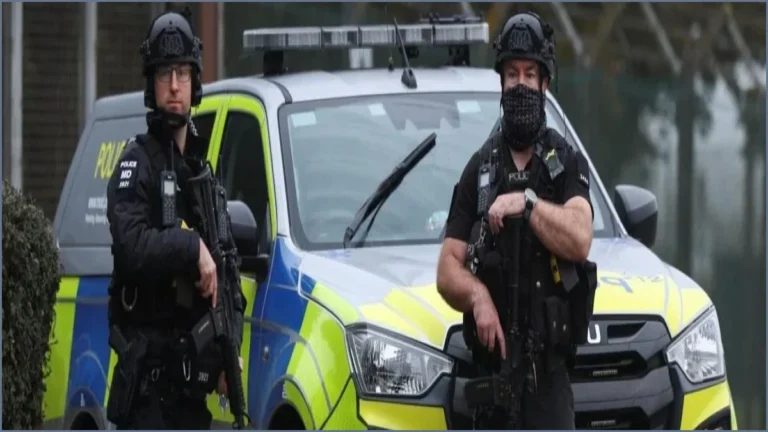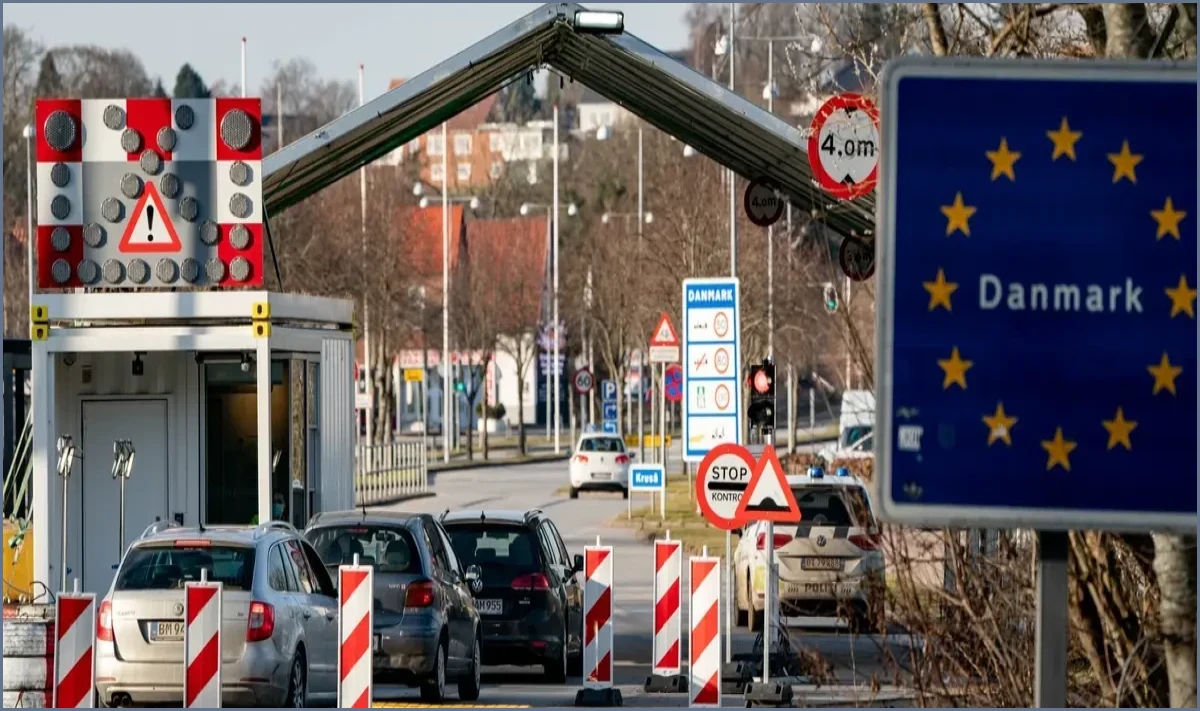
The European Union has unveiled a proposal for a new, bloc-wide communication system intended to bolster coordination between police, firefighters, and other national emergency services during cross-border operations. Currently, first responders across the 27-member union largely rely on radio technology, which Brussels notes frequently fails at national borders, thereby hindering international response efforts.
Magnus Brunner, the EU commissioner for internal affairs, emphasized the necessity of the overhaul, stating, "When crisis strikes, our first responders must be able to communicate instantly across agencies, across borders, across Europe." The proposed "EU Critical Communication System" would transition emergency services from radio to broadband technologies, such as 5G—a shift that the commission notes aligns with the existing plans of most member states.
To facilitate this transition, the EU intends to establish a central hub to manage exchanges and a monitoring centre to address potential cyber security risks and provide support to member nations. Furthermore, the plan incorporates EU satellite infrastructure, such as the Iris² project currently in development, to serve as a vital backup should land-based systems experience failures, such as those caused by blackouts.
Officials highlighted several scenarios where this technology would be critical, including search-and-rescue operations in the Mediterranean, counter-terrorism missions, drone threats, and wildfires. Brunner illustrated the current limitations by citing a major wildfire in Belgium’s High Fens nature reserve bordering Germany this past summer. He noted that as soon as first responders crossed the border, their radios ceased to function. He also referenced a shooting in the Netherlands located only 200 metres (655 feet) from the Belgian border, which necessitated a cross-border police chase. In that instance, the Dutch operational centre in Maastricht could not directly alert counterparts in Liège, Belgium, creating significant coordination delays.
While the system is primarily for emergency services, military forces would have the option to utilize it as well. The commission stated that European companies will develop the critical components, with participants in a pilot project including Airbus, Italy’s Leonardo, and Austria’s Frequentis. Brussels aims for the system to be fully operational by 2036, pending approval from member states and the European Parliament.