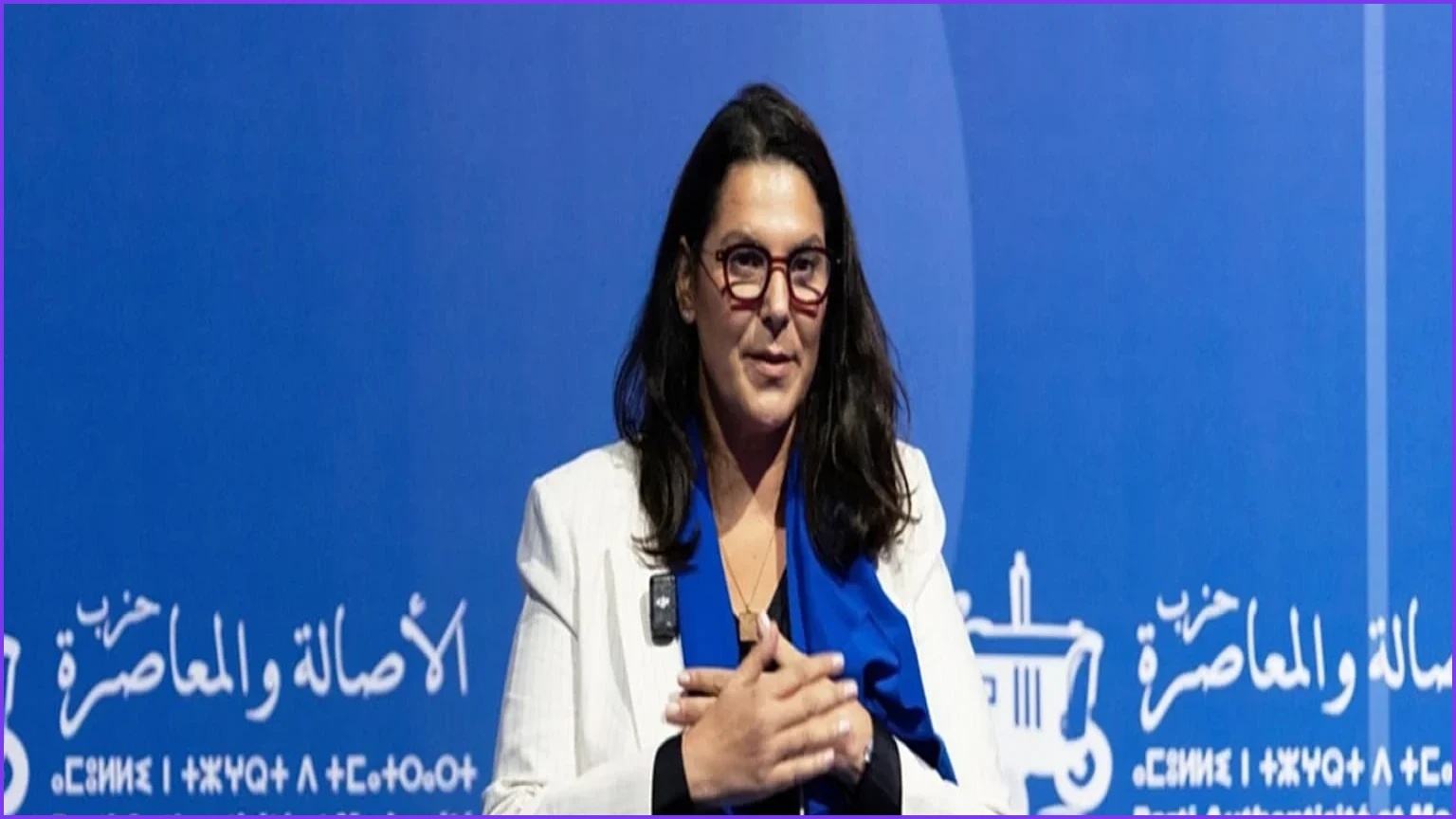
King Mohammed VI of Morocco officially appointed Urban Planning Minister Fatima Zahra Mansouri as the country's prime minister on Tuesday. This decision makes the 50-year-old attorney the first woman to hold the position in the history of the Muslim kingdom. The Royal Palace confirmed that Mansouri, who previously served as the mayor of Marrakech, has been tasked with the responsibility of forming a new government.
The appointment follows the results of recent parliamentary elections, which saw Mansouri’s centrist Authenticity and Modernity Party (PAM) secure the highest number of votes. Out of 15.8 million registered voters, one million cast their ballots for the PAM, marking the party's first victory since its inception in 2008 by Fouad Ali el-Himma, a childhood friend and adviser to the king. Mansouri, who is a law graduate from the University of Montpellier in France, rose to become one of the party's top leaders in 2024.
As the second woman to serve as prime minister in the Arab world—following Tunisia's Najla Bouden—Mansouri is expected to begin coalition negotiations in the coming days. Morocco's electoral system makes it difficult for any single party to achieve an absolute majority, necessitating collaboration with other political factions. While the PAM has expressed openness to working with all parties, some groups, including the moderate Islamist Justice and Development party and the left-wing Federation of Democratic Left, have declared their intention to remain in the opposition.
The new government faces significant challenges, including the management of billions of dollars in investments tied to the 2030 FIFA World Cup. Furthermore, the administration is expected to address public demands regarding inflation, wage increases, and job creation. The election itself was the first to take place since the Ceuta migration crisis last July and a series of youth-led protests last year.
The king's power to appoint the prime minister is governed by the Moroccan Constitution, which requires him to select a candidate from the party that wins the most seats in parliament—a reform successfully advocated for by Arab Spring protesters in 2011. Before this shift, the monarch held the authority to appoint the prime minister without such restrictions.
Mansouri, the daughter of the late “pasha of Marrakech” Abderrahmane el-Mansouri, has previously faced scrutiny regarding her professional conduct. A group of unidentified hackers once accused her of conflict of interest related to land transactions in Marrakech. Mansouri consistently denied these allegations, labeling them defamatory and initiating legal action to contest them.